Sport Physiotherapy
Returning to Sport by Improving Movement, Load Management, and Recovery
Sports injuries rarely happen by accident.
In many cases, pain appears when training load, movement efficiency, and recovery capacity no longer align.
At Alter Physio & Acupuncture, sports physiotherapy is not limited to treating injuries after they occur. We focus on understanding why your body struggled to adapt and how to restore movement confidence, durability, and performance without pushing the body into repeated breakdown cycles.
Many athletes come to us after rest, exercises, or previous treatment helped temporarily—but symptoms returned once training intensity increased. Our approach addresses this pattern directly.
What Sports Physiotherapy Focuses On
Sports physiotherapy requires more than strengthening muscles or stretching tight areas. We assess how your body responds to physical demand as a system.
Key areas we evaluate include:
- Sport-specific movement patterns
- Load tolerance and fatigue response
- Coordination and timing between body segments
- Breathing and trunk control during effort
- Recovery capacity between sessions
Pain is often a signal that adaptation is falling behind demand, not simply that tissue is damaged.
How Our Sports Physiotherapy Is Different
Many sports rehabilitation programs aim to “fix” the injured area and return you to training as quickly as possible. While this may reduce symptoms short-term, it often leaves underlying movement and load issues unchanged.
Our approach:
- Prioritizes movement efficiency before intensity
- Respects the nervous system’s role in readiness and control
- Progresses load gradually and purposefully
- Integrates recovery strategies as part of treatment
- Adjusts based on how your body responds—not fixed timelines
This helps athletes return to sport with greater confidence and reduced risk of recurrence.
Common Situations We See
Sports physiotherapy at Alter Physio is well suited for:
- Recurrent injuries despite previous rehabilitation
- Pain that appears only during or after training
- Loss of confidence in movement after injury
- Overuse injuries related to repetitive load
- Athletes returning to sport after time off
This approach applies to both competitive and recreational athletes.
Integration With Other Treatments
Sports physiotherapy is rarely used alone. Depending on your condition and training phase, we may integrate:
- Japanese Acupuncture, to regulate the nervous system and support recovery under load
- Myofascial Release Therapy, to reduce protective muscle tension that limits efficient movement
- Japanese Bodywork (Seitai approach), to improve coordination and whole-body balance
These methods support physiotherapy by creating the conditions needed for movement adaptation.
What a Sports Physiotherapy Session Looks Like
Each session begins with an assessment of how you move under load—often related directly to your sport.
Treatment may include:
- Movement retraining specific to your activity
- Progressive loading strategies
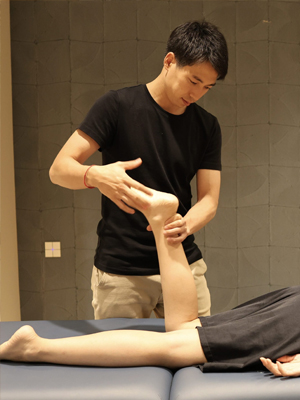
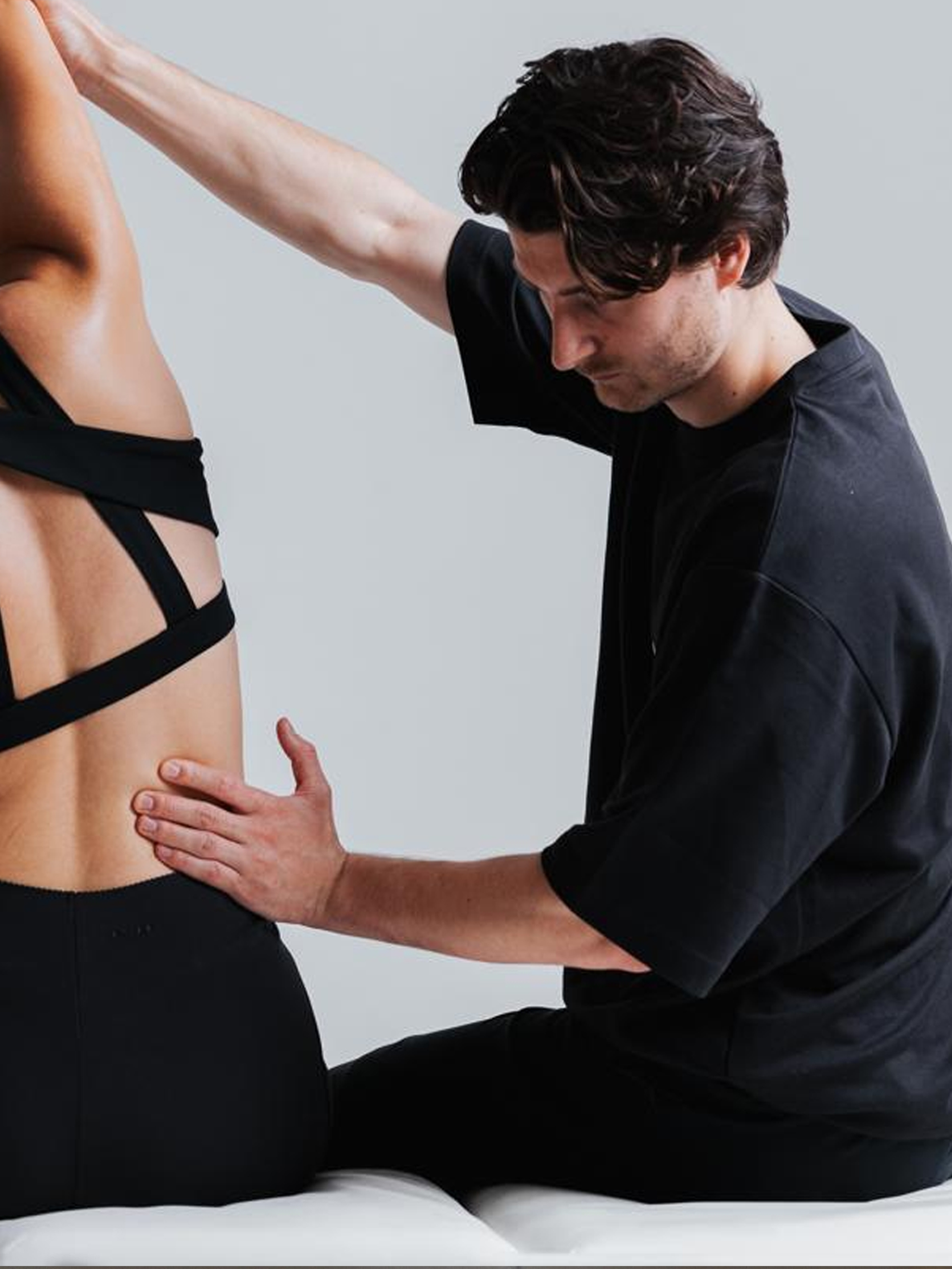
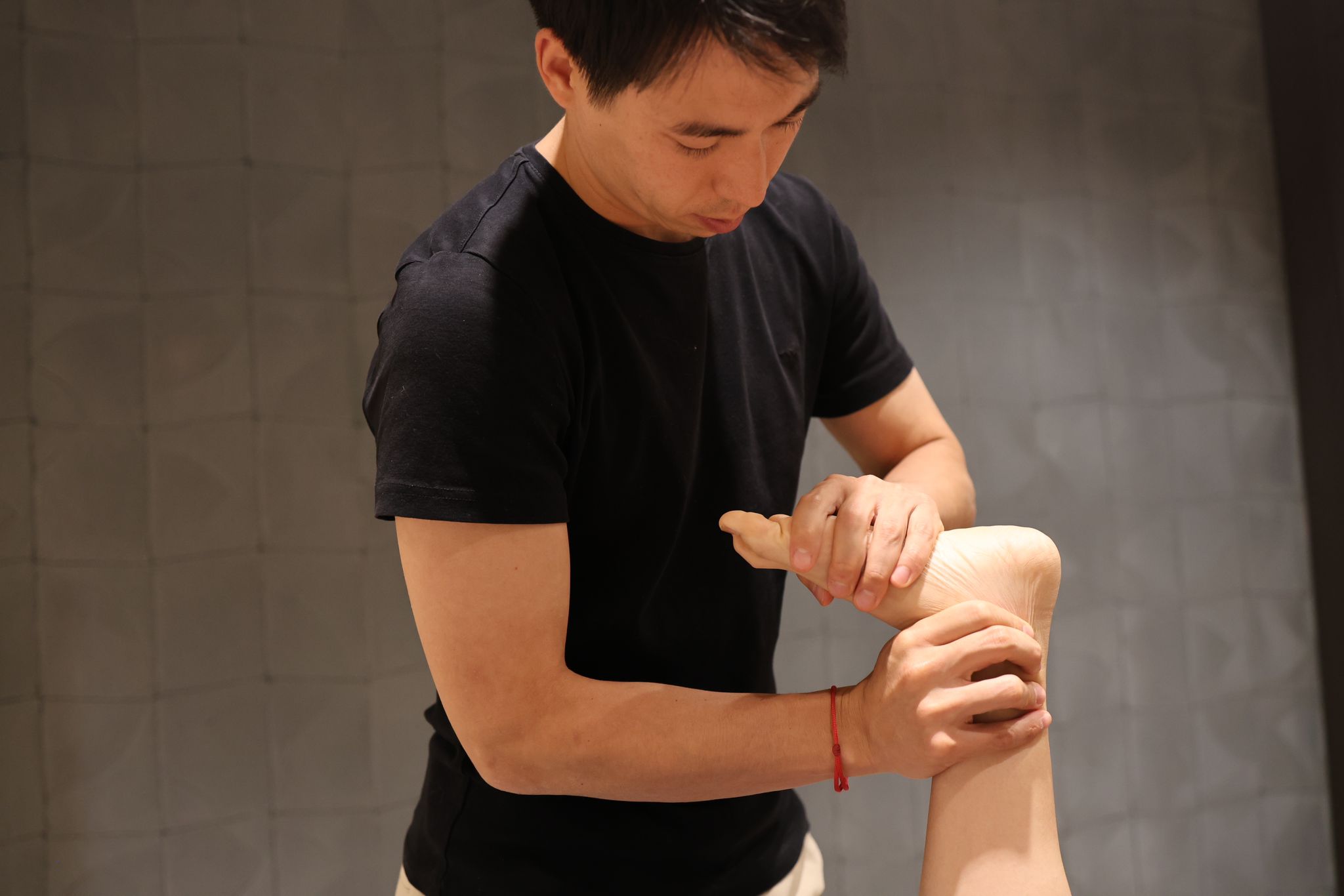
- Hands-on guidance to improve control and coordination
- Simple, targeted exercises rather than large programs
The goal is not to train harder, but to train more intelligently.
Who This Approach Is For
Sports physiotherapy at Alter Physio is suitable for:
- Athletes seeking long-term performance resilience
- Active individuals returning to sport after injury
- Those frustrated by recurring setbacks
- People who want to understand their body better, not just “fix” pain
Start With an Assessment
You do not need to know exactly what is wrong or how to label it.
Your first session focuses on identifying how your body handles load and movement—and what needs to change.
Book an appointment to explore how sports physiotherapy can support your return to sport with confidence and control.