Our Integrated Approach
Combining Physiotherapy, Japanese Acupuncture, and Bodywork With Clinical Intention
Located in Amsterdam Zuid, Alter Physio & Acupuncture is a clinic for people who want a deeper, long-term solution – not just a quick adjustment or temporary pain relief.
Integration Is Not About Doing Everything
At Alter Physio & Acupuncture, integration does not mean using many techniques in one session.
It means choosing the right approach at the right time, based on how your body is functioning and responding. Each treatment method we use serves a specific purpose within a shared clinical framework.
Our integrated approach is built around one central question:
What does your body need right now to move, recover, and regulate more effectively?
A Single Clinical Framework, Multiple Tools
Rather than treating physiotherapy, acupuncture, and manual therapy as separate services, we work within one clinical perspective.
This perspective considers:
- How the nervous system regulates tension and recovery
- How movement patterns distribute physical load
- How stress affects internal balance and healing capacity
Within this framework, different therapies become tools, not competing methods.
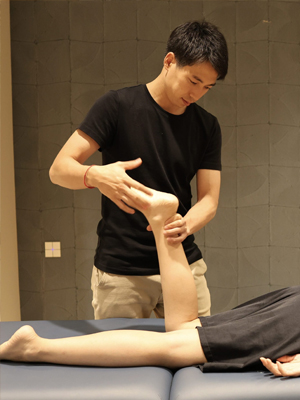
The Role of Physiotherapy & Movement Therapy
Physiotherapy forms the foundation of our integrated approach.
It helps us understand:
- How you move and coordinate your body
- How load is transferred through joints and tissues
- Where compensation or inefficiency occurs
Movement therapy is used to:
- Restore coordination and control
- Improve load tolerance
- Reduce strain through more efficient movement
Physiotherapy often guides the overall treatment direction.
The Role of Japanese Acupuncture
Japanese acupuncture supports the regulatory side of healing.
It is used to:
- Calm excessive nervous system activity
- Reduce pain sensitivity
- Support sleep, digestion, and recovery
- Improve the body’s responsiveness to movement therapy
Acupuncture is especially valuable when symptoms are influenced by stress, fatigue, or prolonged tension.
The Role of Japanese Osteopathy (Seitai)
Japanese osteopathy, known as Seitai, focuses on whole-body coordination and balance.
It is used when:
- Movement feels restricted or uncoordinated
- The body is sensitive to strong interventions
- Tension is widespread rather than localized
Seitai often helps prepare the body so that physiotherapy and acupuncture can work more effectively.
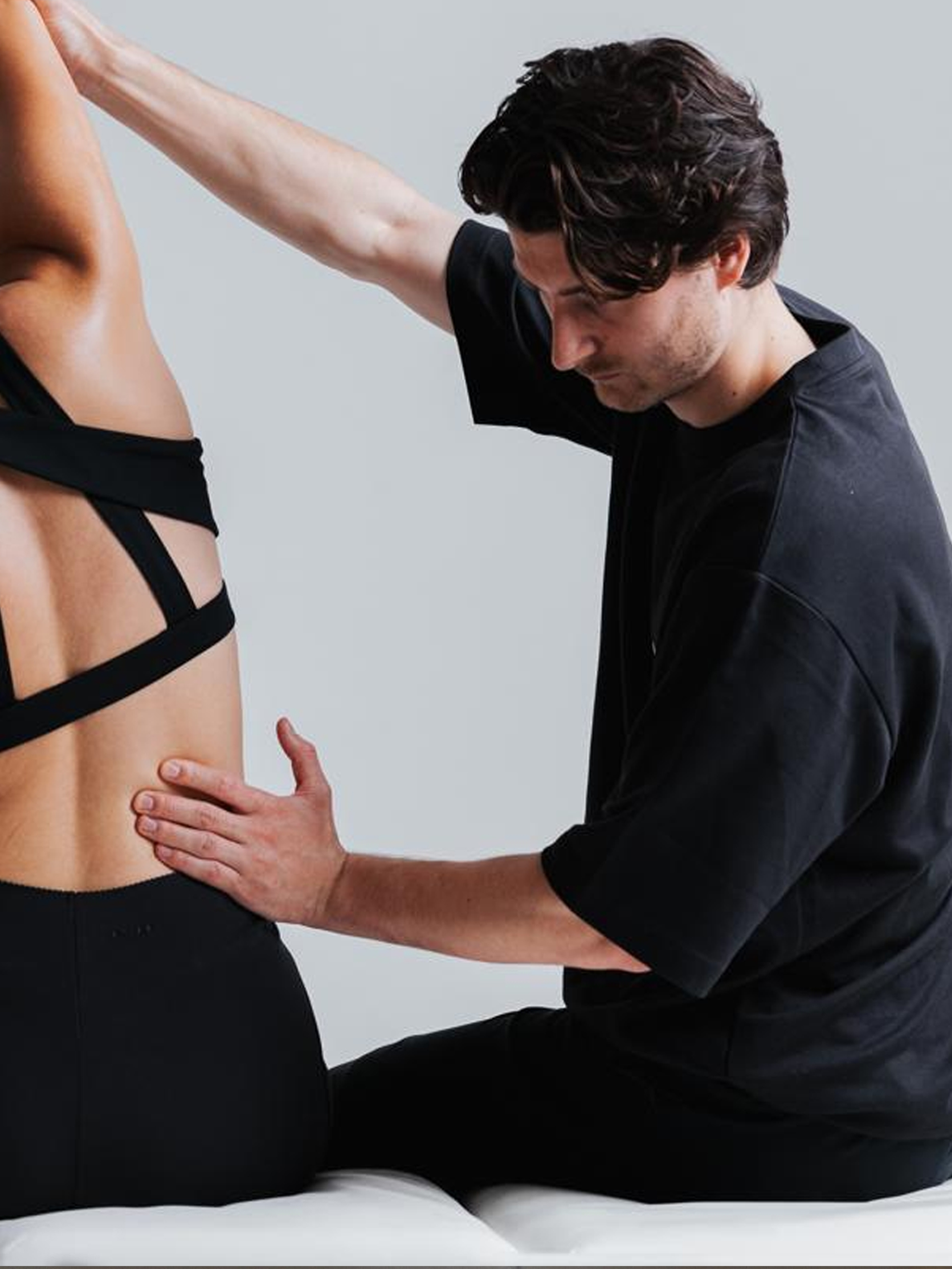
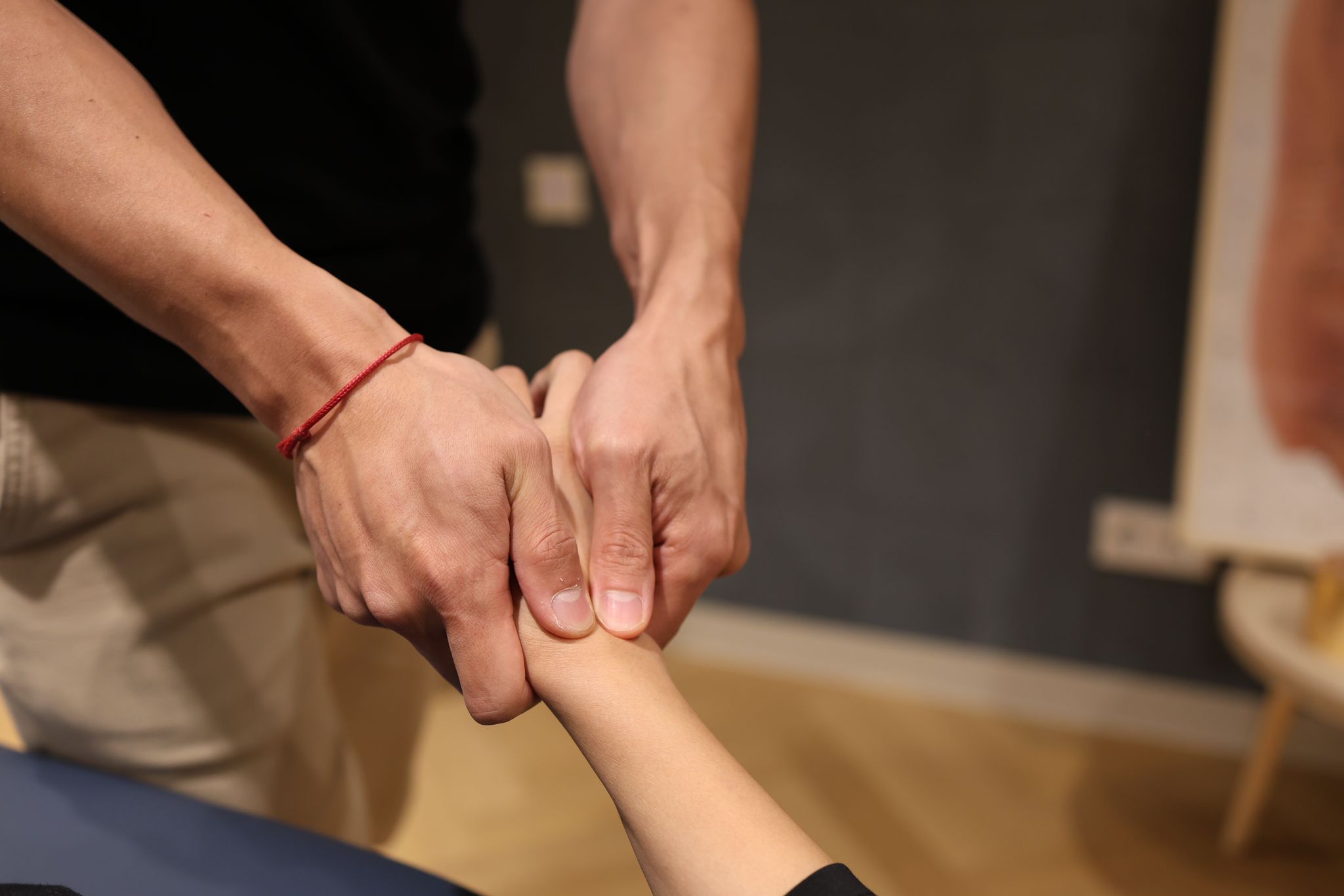
The Role of Manual & Soft Tissue Therapy
Manual and soft tissue therapies are used strategically—not routinely.
Their role is to:
- Reduce protective muscle guarding
- Improve tissue responsiveness
- Support changes initiated by other treatments
These techniques are applied when they support adaptation, not simply to relieve tension temporarily.
How Integration Works in Practice
An integrated session may involve:
- Acupuncture to help the nervous system settle
- Manual input to reduce guarding
- Movement work to retrain coordination
Or it may focus entirely on one approach if that is what your body needs at that moment.
Integration is dynamic, not fixed.
Why Integration Matters for Long-Term Change
Many people experience short-term improvement but struggle to maintain it.
This often happens when:
- Regulation is addressed without movement change
- Movement is trained without supporting recovery
- Symptoms are treated without understanding load and stress
By integrating approaches, we aim to support both immediate change and long-term resilience.
A Flexible, Individualized Process
There is no predefined protocol at Alter Physio & Acupuncture.
Treatment evolves as your body adapts:
- Early sessions may focus on regulation and pain reduction
- Later sessions may emphasize movement and capacity
- Wellness or maintenance care may follow clinical treatment
This flexibility allows care to remain relevant as your needs change.
Our Commitment to Thoughtful Integration
We are committed to:
- Using each approach with clear intention
- Avoiding unnecessary or excessive treatment
- Respecting the body’s sensitivity and adaptability
- Prioritizing sustainable change over quick fixes
Integration, for us, is about clarity and precision, not complexity.