Articles
Expert articles on pain relief, injury rehab & stress management
Read practical guidance from Alter Physio’s specialists on common issues such as back pain, shoulder stiffness, sports injuries, and chronic tension.
Learn how combined physiotherapy and acupuncture techniques can support faster recovery and long-lasting well-being.
-
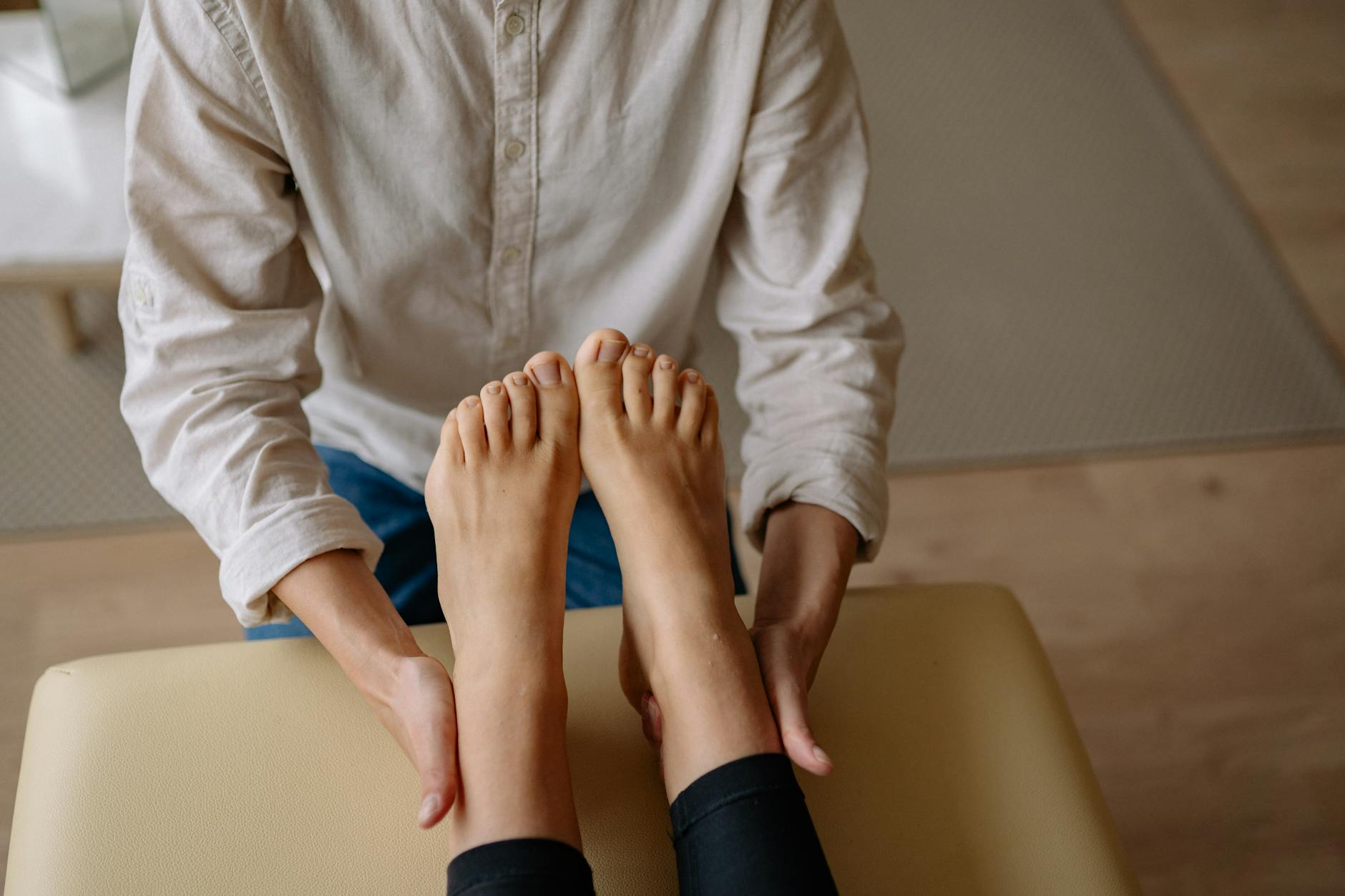
#4 How Fingers and Toes Influence Full-Body Movement: The Mechanism of Muscle, Nerve, and Fascia Interconnections
Introduction The human body is remarkably complex, and often functions as if the upper and lower body are symmetrical mirrors of each other. In traditional physical therapy, it’s common to focus on strengthening the arms and legs separately. However, by understanding how the muscles and nerves of the upper and lower body work together, we…
-
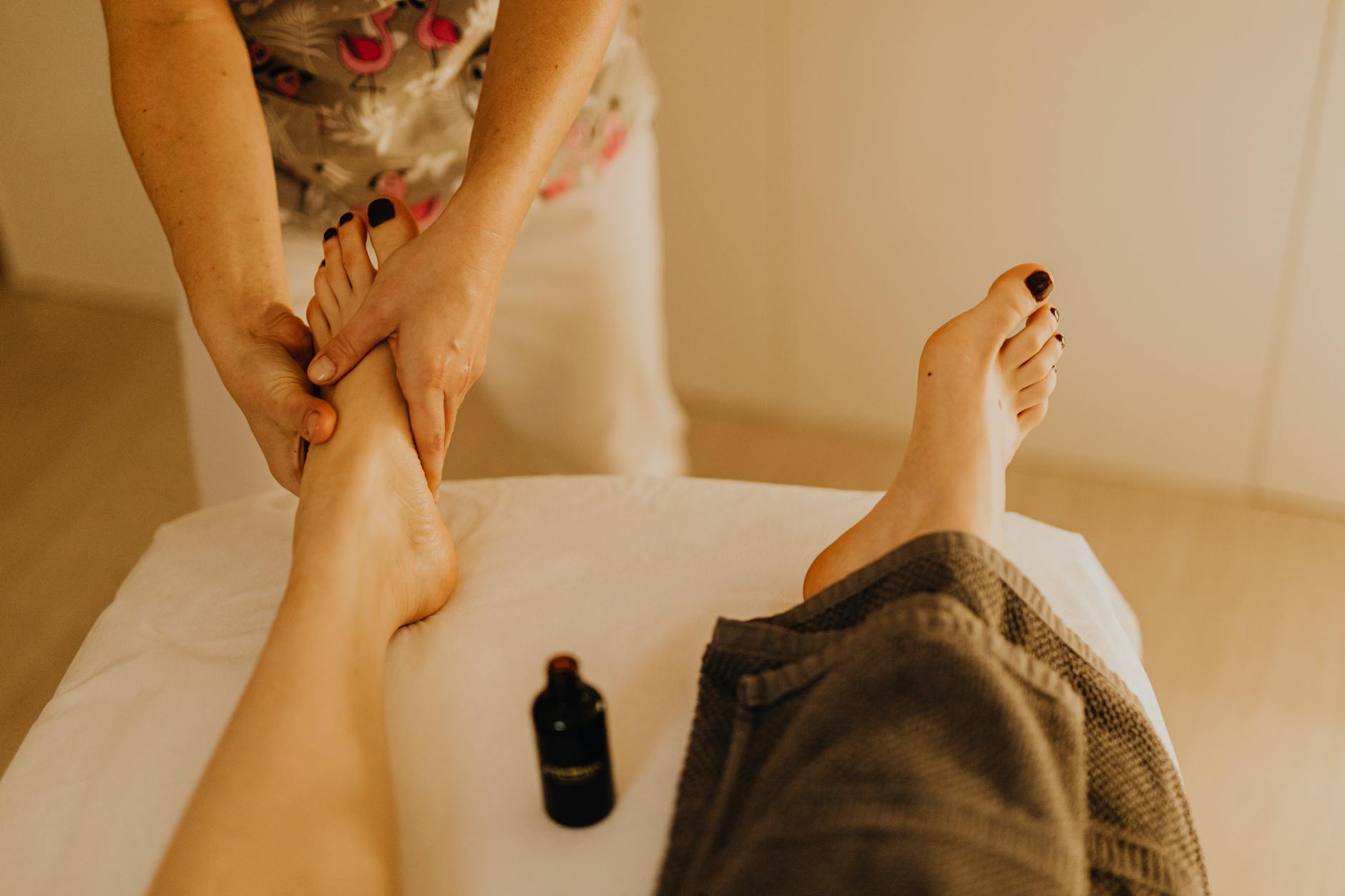
#3 Upper and Lower Body Integration: How the Core Connects the “Mirror Image” Relationship for Efficient Full-Body Movement
🔄 Last updated: 1 May 2026 Introduction The human body is an incredibly precise and interconnected system. While traditional approaches often emphasize training muscles in isolation, the reality is that the entire body works together as a single unit. By understanding the “mirror image” relationship between the upper and lower body, you can significantly enhance…
-
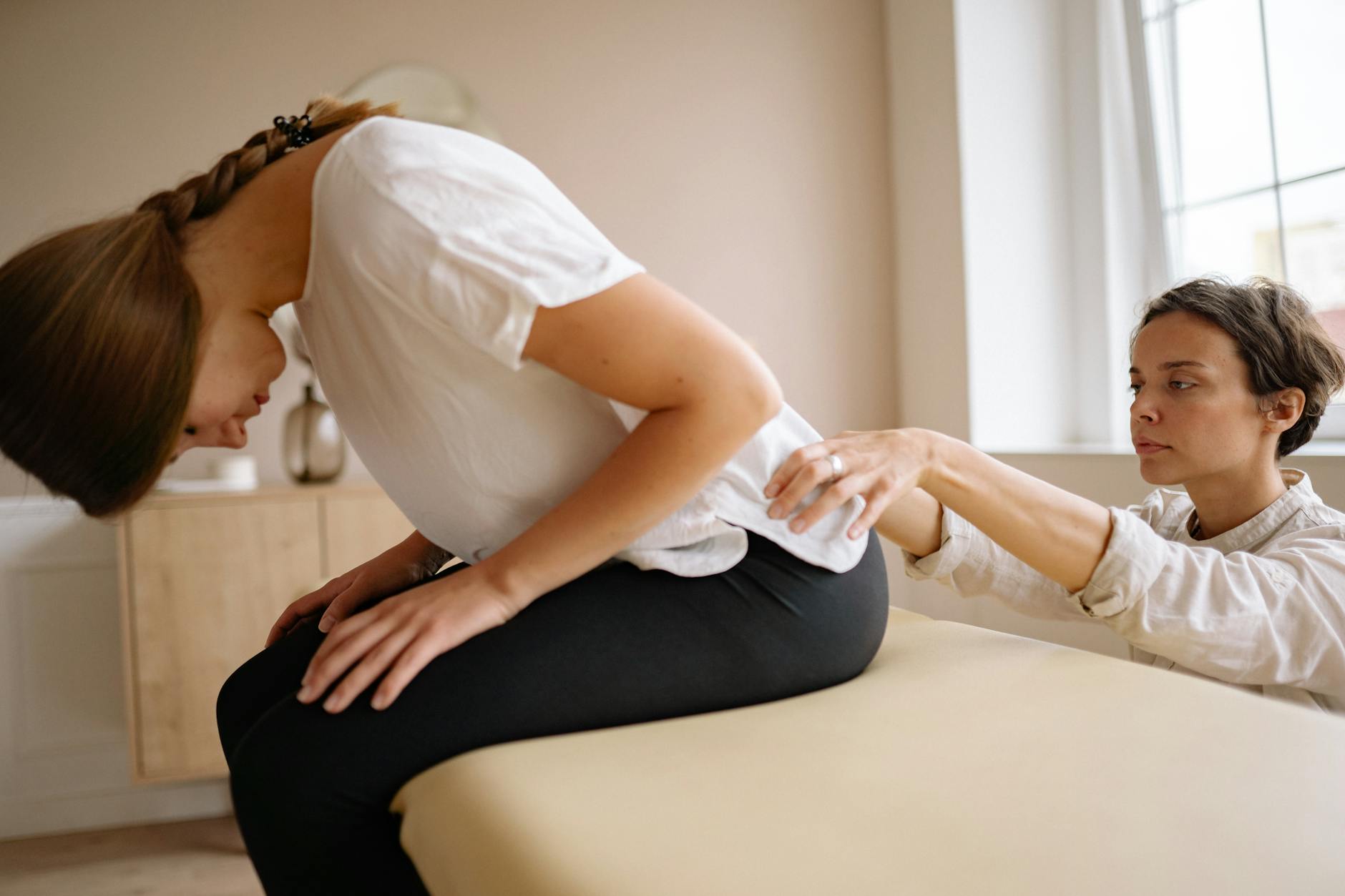
#2 The Impact of Breathing on the Body: Exploring the Relationship Between Relaxation, Muscle Groups, and Nerves
🔄 Last updated: 1 May 2026 Breathing is a fundamental physiological process that supplies oxygen and expels carbon dioxide, but its influence on the body extends far beyond this basic function. The way we breathe—whether through abdominal or chest breathing—affects not only which muscles are engaged but also how our nervous system responds. This can…
-
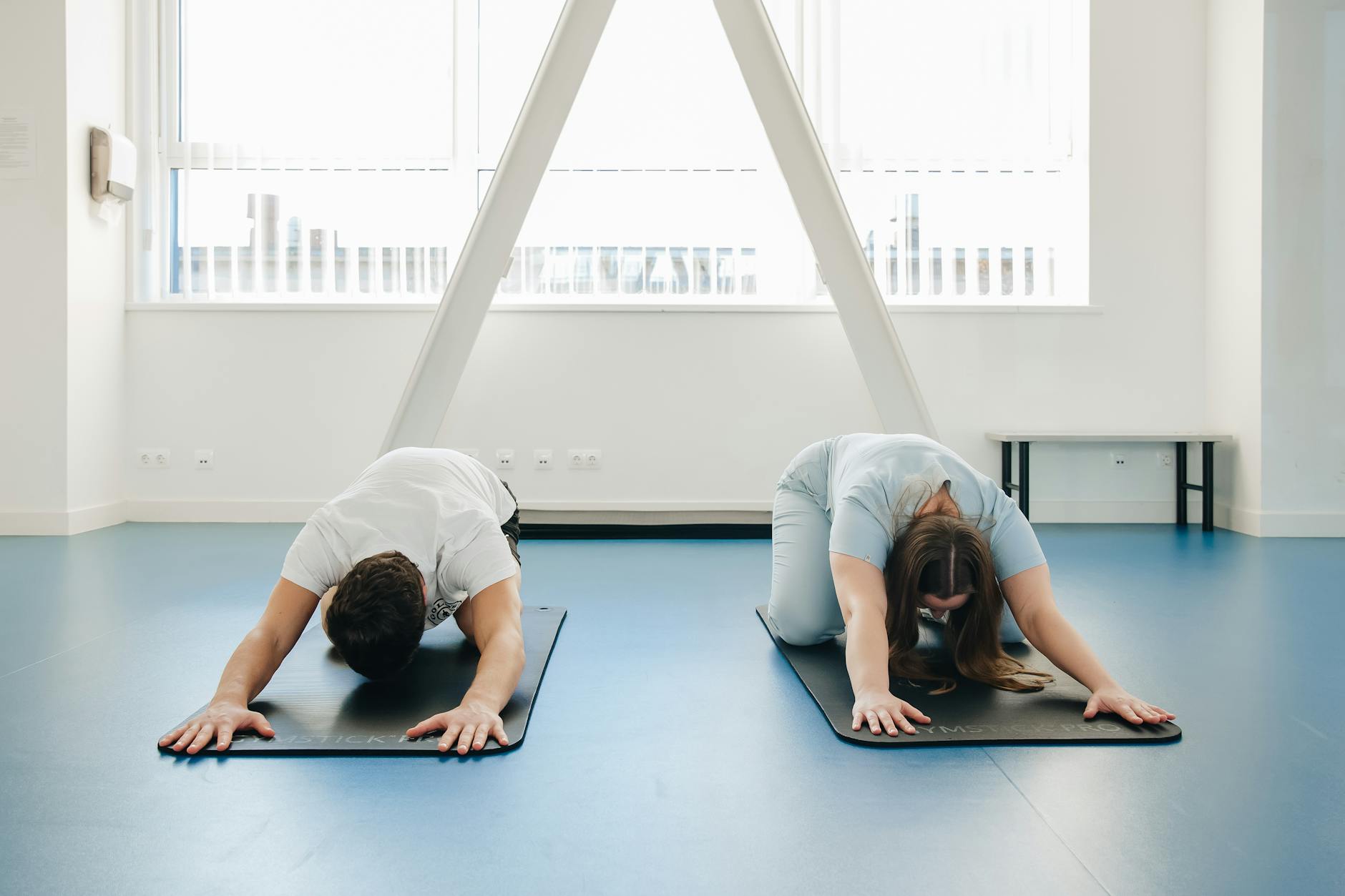
#1 The Pitfalls of Traditional Core Training: The True Core Stability Brought by Diaphragmatic Breathing and Deep Muscles
🔄 Last updated: 1 May 2026 Introduction Core training has long been emphasized in fitness, sports performance, and rehabilitation. Among these techniques, the “draw-in” method is widely recognized as a foundational approach to enhancing core stability. This technique, which involves contracting the transverse abdominis and drawing the abdomen inward to stabilize the core, may seem…