Why Sports Injuries Deserve Professional Attention in Amsterdam

Amsterdam is a city built for movement. Whether you’re cycling through the Jordaan, running laps around Vondelpark, playing football in Amsterdamse Bos, or rowing on the Amstel, the opportunities for sport and exercise are everywhere. But with all that activity comes risk — and sports injuries are remarkably common among Amsterdam’s active population.
The question isn’t whether you’ll ever tweak a muscle or strain a joint. The question is: when is it time to stop stretching it out at home and actually see a professional? This guide is designed for Amsterdam’s English-speaking community — expats, internationals, and anyone who wants clear, practical advice on recognizing the warning signs of a sports injury and knowing exactly when to book a physiotherapy appointment.
The Most Common Sports Injuries We See in Amsterdam

At Alter Physio & Acupuncture, we treat a wide range of sports-related complaints. The city’s lifestyle creates some very predictable injury patterns. Here are the ones we encounter most frequently:
- Runner’s knee (patellofemoral pain syndrome): Extremely common among Vondelpark joggers and marathon trainers. Pain around or behind the kneecap that worsens with running, squatting, or stairs.
- Achilles tendinopathy: Overuse injury of the Achilles tendon, often seen in runners who increase their mileage too quickly.
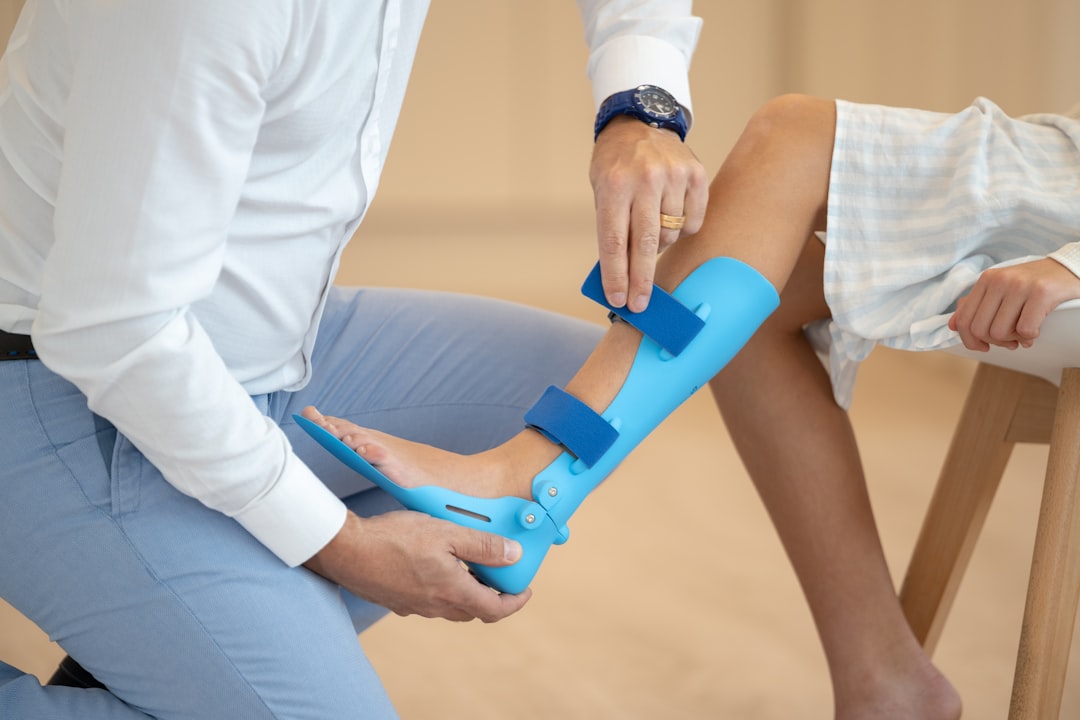
- Ankle sprains: Frequent in football, basketball, and even cycling — especially on Amsterdam’s uneven cobblestone streets.
- Hamstring strains: Common in sports requiring sprinting or sudden acceleration, such as football, hockey, and tennis.
- Shoulder impingement and rotator cuff injuries: Prevalent among swimmers, climbers, and gym-goers who overtrain overhead movements.
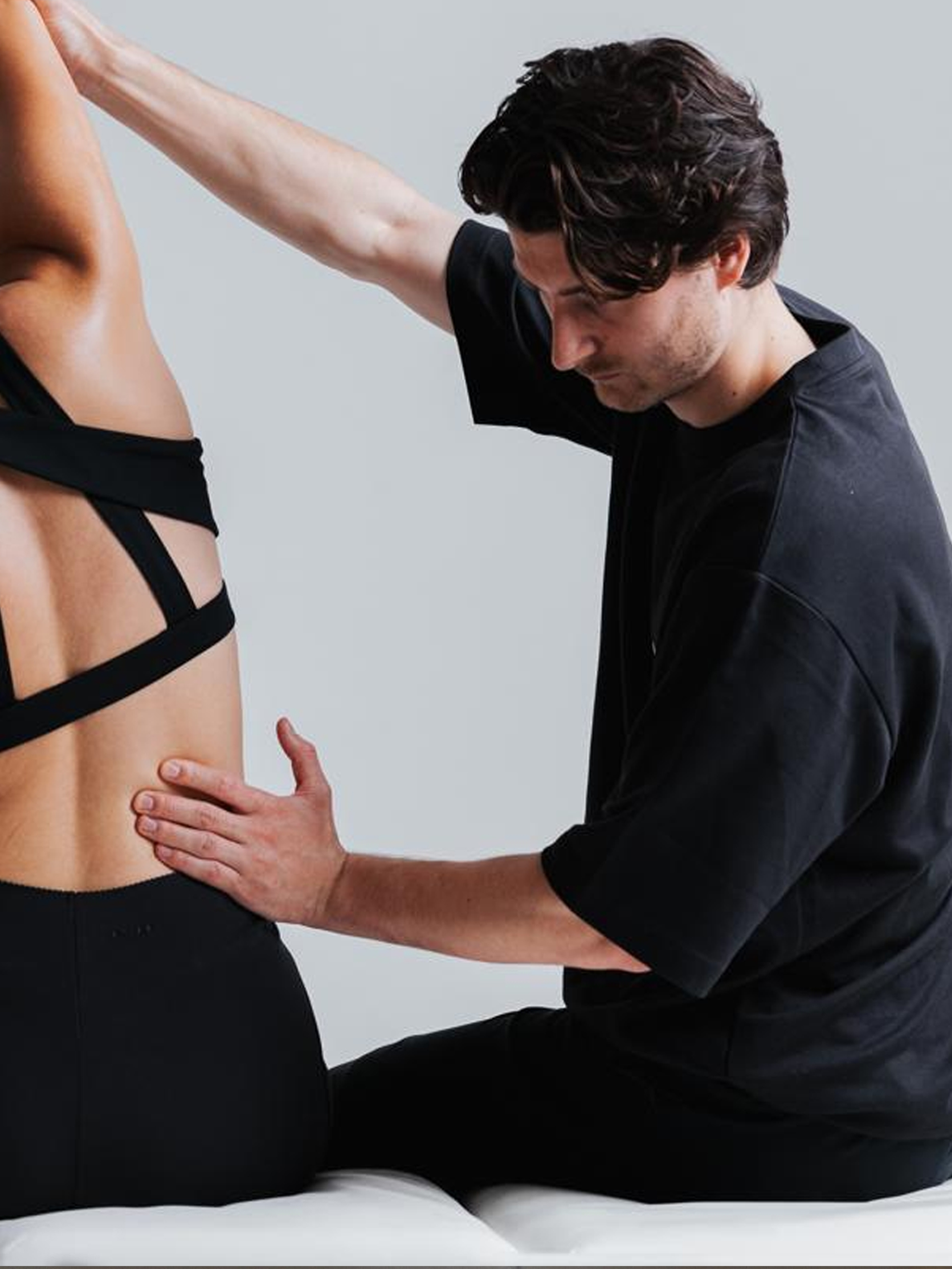
- Lower back pain from cycling posture: Amsterdam’s cycling culture is wonderful, but hours on a poorly fitted bike can wreak havoc on your lumbar spine.
- Groin strains: Particularly common in football and hockey players, and often undertreated.
What all these injuries share is a tendency to get worse when ignored. A minor niggle that you push through for weeks can become a chronic problem that takes months to resolve.
When to See a Physiotherapist: 7 Warning Signs You Shouldn’t Ignore
Self-care has its place. Ice, rest, gentle stretching — these are all reasonable first steps. But there are clear signals that it’s time to move beyond home remedies and seek professional sports physiotherapy in Amsterdam. Here are the warning signs:
- Pain that persists beyond 48-72 hours. Muscle soreness after exercise is normal. Pain that doesn’t improve after three days is not.
- Swelling that doesn’t subside. Persistent swelling indicates ongoing tissue damage or inflammation that needs professional assessment.
- Pain that worsens with activity. If your injury hurts more each time you try to exercise, your body is telling you something is wrong.
- Reduced range of motion. If you can’t move a joint through its full range — for example, you can’t fully straighten your knee or lift your arm overhead — get it checked.
- Sharp or stabbing pain. Dull aches can sometimes be managed at home. Sharp, sudden, or stabbing pains warrant immediate evaluation.
- Recurring injuries in the same area. If you keep straining the same hamstring or rolling the same ankle, there’s likely an underlying biomechanical issue that a physiotherapist can identify and correct.
- You’ve changed your movement pattern to avoid pain. Limping, favouring one side, or avoiding certain movements creates compensatory patterns that can lead to new injuries elsewhere.
If any of these apply to you, don’t wait. Early intervention with sports physiotherapy in Amsterdam significantly reduces recovery time and helps prevent chronic problems.
What to Expect from Sports Injury Treatment in Amsterdam
If you’ve never visited a sports physiotherapist before — or if you’ve only experienced physiotherapy in another country — you might wonder what the process looks like here. At Alter Physio & Acupuncture, we follow a structured, evidence-based approach:
Step 1: Comprehensive Assessment
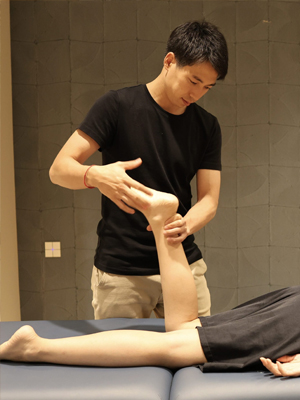
Your first appointment involves a thorough evaluation. We don’t just look at the painful area — we assess your entire movement chain. A knee problem might originate from hip weakness. A shoulder issue might be related to thoracic spine mobility. We take time to understand your sport, your training habits, your goals, and your injury history.
Step 2: Diagnosis and Explanation
We explain exactly what’s happening in clear, straightforward language. You’ll understand what’s injured, why it happened, and what the recovery timeline looks like. No jargon, no vague advice.
Step 3: Personalised Treatment Plan
Treatment may include manual therapy, exercise rehabilitation, dry needling, Japanese acupuncture, taping, and sport-specific retraining. Every plan is tailored to you — your injury, your body, and your goals.
Step 4: Active Rehabilitation and Return to Sport
We don’t just get you out of pain — we get you back to full performance. This means progressive loading, strength work, and sport-specific exercises designed to make you more resilient than before your injury.
For many international patients who have tried other treatments without success or visited other clinics without seeing lasting results, our integrated approach — combining physiotherapy with Japanese acupuncture where appropriate — often provides the breakthrough they’ve been looking for. If previous treatment hasn’t resolved your issue, it may be time to try a different, more thorough approach.
Patient Story
(Anonymised and shared with permission.)
A 38-year-old expat working in Amsterdam’s tech sector came to us after five months of worsening knee pain. He had started training for the Amsterdam Marathon and initially felt a mild ache on the outside of his right knee around the 8-kilometre mark of his long runs. He ignored it at first, then reduced his mileage, tried foam rolling religiously, and even visited two other clinics in Amsterdam — one prescribed generic quadriceps exercises, and the other suggested complete rest for six weeks. After resting, the pain returned within his first week back running.
When he arrived at Alter Physio & Acupuncture, our assessment revealed iliotibial band syndrome (runner’s knee) driven by significant weakness in his right hip abductors and poor single-leg stability. His running gait showed excessive hip drop on the right side — something no one had evaluated before. We also found restricted thoracic mobility that was affecting his running posture and contributing to compensatory loading through his right leg.
Over eight sessions spanning six weeks, we combined targeted manual therapy for his IT band and thoracic spine, a progressive hip strengthening programme, running gait retraining, and two sessions of Japanese acupuncture to address persistent muscular tension. By week four, he was running 5 kilometres pain-free. By week eight, he completed a 15-kilometre run with no symptoms. He went on to finish the Amsterdam Marathon that October — a personal best. He later told us it was the first time a practitioner had looked at the whole picture rather than just the sore spot.
Self-Care vs. Professional Treatment: A Quick Comparison
| Scenario | Self-Care May Be Enough | See a Physiotherapist |
|---|---|---|
| Mild muscle soreness after exercise | ✅ Rest, gentle stretching, hydration | Only if it persists beyond 3-4 days |
| Minor bruise or superficial strain | ✅ Ice, compression, rest | If swelling or pain doesn’t improve in 48-72 hours |
| Joint pain during or after sport | ❌ | ✅ Needs assessment to rule out ligament or cartilage damage |
| Recurring injury in the same spot | ❌ | ✅ Indicates an underlying issue requiring professional diagnosis |
| Sharp pain or “something popped” | ❌ | ✅ Immediate professional assessment recommended |
| Pain that changes how you walk or move | ❌ | ✅ Compensatory patterns can cause secondary injuries |
Practical Tips for Preventing Sports Injuries in Amsterdam
While knowing when to seek sports physiotherapy in Amsterdam is essential, prevention is always better than cure. Here are practical steps you can take:
- Warm up properly. Five minutes of dynamic movement before exercise significantly reduces injury risk.
- Progress gradually. Whether you’re increasing running distance, lifting heavier weights, or adding training sessions, follow the 10% rule — don’t increase volume or intensity by more than 10% per week.
- Get your bike fitted. In Amsterdam, this matters. A proper bike fit can prevent knee pain, lower back issues, and neck strain.
- Strength train. Even if your primary sport is running, cycling, or swimming, regular strength training builds resilience in muscles, tendons, and joints.
- Don’t train through pain. There’s a difference between discomfort and pain. Learn to recognise it.
- Book a preventive screening. A sports physiotherapist can identify weaknesses and imbalances before they become injuries. This is especially valuable if you’re training for a specific event like a marathon or triathlon.
Frequently Asked Questions
When should I see a physiotherapist for a sports injury in Amsterdam?
You should see a physiotherapist if your pain lasts longer than 48-72 hours, if swelling persists, if pain worsens with activity, if you have reduced range of motion, or if the same injury keeps recurring. Early intervention leads to faster recovery. In Amsterdam, you can access a physiotherapist directly without a GP referral — simply book an appointment. For a detailed explanation of how physiotherapy works and what conditions we treat, visit our physiotherapy page.
Do I need a GP referral to see a sports physiotherapist in Amsterdam?
No. In the Netherlands, you have direct access to physiotherapy — no referral is needed. However, if you want your health insurance to cover the sessions, check your policy details. Most supplementary insurance packages (aanvullende verzekering) cover a set number of physiotherapy sessions per year. If you have questions about insurance coverage or what to expect, our FAQ page covers the most common queries.
Can I find an English-speaking sports physiotherapist in Amsterdam?
Absolutely. Alter Physio & Acupuncture provides all consultations in English, and our clinic is recommended by expats in Amsterdam and trusted by international patients in Amsterdam from diverse backgrounds. We understand the specific needs of the English-speaking community, from clear communication about diagnosis and treatment to navigating the Dutch healthcare and insurance system. Learn more about our approach to English-speaking physiotherapy care for expats.
Why choose Alter Physio & Acupuncture in Amsterdam?
Alter Physio & Acupuncture offers a unique combination of evidence-based sports physiotherapy in Amsterdam and traditional Japanese acupuncture — all delivered by a BIG-registered physiotherapist. Our clinic is conveniently located near Vondelpark, making it easily accessible for Amsterdam’s active community. What sets us apart is genuinely personalised care: every treatment plan is built around your specific injury, body, sport, and goals. Our English-speaking team ensures clear, thorough communication at every stage. Whether you’re dealing with a running injury, recovering from surgery, or managing a chronic issue that hasn’t responded to other treatments, we provide the expert, integrative care you need to get back to doing what you love.
Ready to Get Back to Your Sport?
If you’re dealing with a sports injury in Amsterdam — whether it’s a fresh complaint or something that’s been nagging you for months — don’t let it hold you back any longer. Early, expert treatment makes all the difference.
Book your appointment at Alter Physio & Acupuncture today. Our sports physiotherapy in Amsterdam is designed to get you back to full performance — safely, efficiently, and with a clear plan every step of the way. Schedule your consultation now and take the first step toward recovery.
n
Written by Hidekazu Kuwabara, Registered Physiotherapist (BIG-registered, Amsterdam)
Hidekazu has over 10 years of clinical experience in physiotherapy and acupuncture. He specialises in musculoskeletal pain, sports injuries, and integrative East-West medicine at Alter Physio & Acupuncture, Amsterdam.
Disclaimer: This article is for informational purposes only and does not constitute medical advice. Always consult a qualified healthcare professional before making decisions about your health or treatment.