
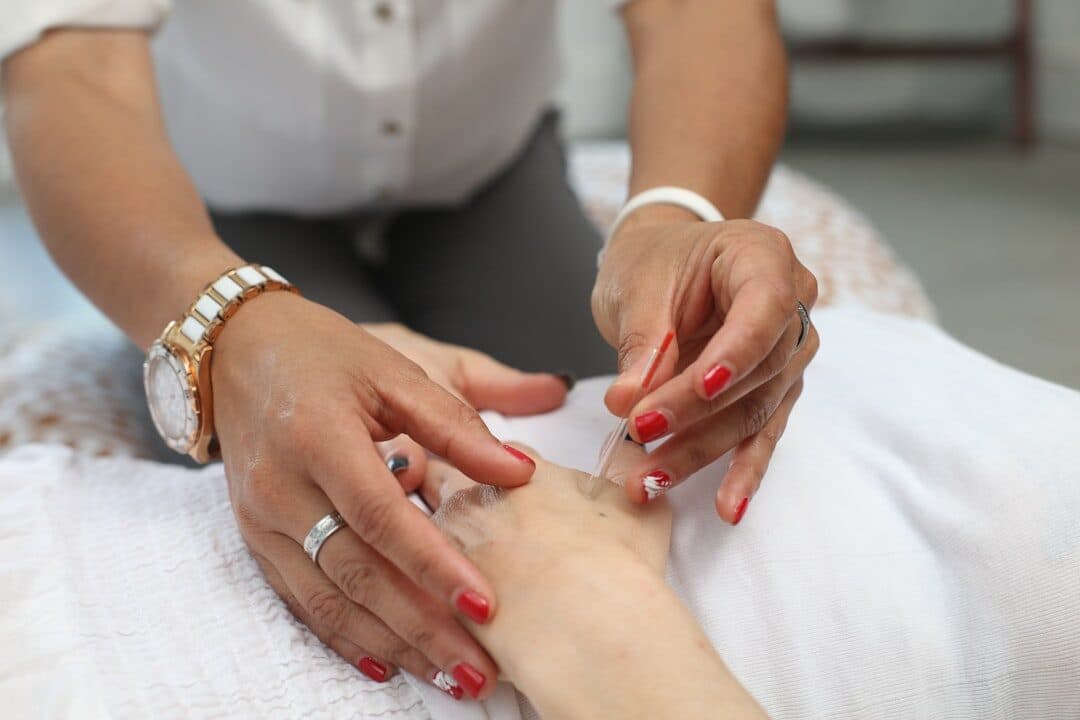
Japanese Acupuncture vs Chinese Acupuncture Amsterdam
Japanese Acupuncture vs Chinese Acupuncture: A Clear Guide for Amsterdam Patients

If you have searched for acupuncture Amsterdam, you have probably seen two very different styles offered. One is Traditional Chinese acupuncture (TCM). The other is Japanese acupuncture, known for ultra-thin needles and gentle technique.
Notably, the right choice depends on your body, your condition, and your tolerance for needles. This guide explains the real differences so you can choose with confidence.
The Quick Answer: Which Acupuncture Style Should I Get?
Choose Japanese acupuncture if you are needle-sensitive, anxious, recovering from burnout, or treating subtle musculoskeletal pain. Choose Chinese acupuncture if you prefer strong stimulation and have deep, stubborn conditions.
Furthermore, many Amsterdam patients try Japanese style first because it feels almost painless. We expand on this throughout the article.
One Tradition, Two Branches: A Short Origin Story

Acupuncture began in China over 2,000 years ago. It later travelled to Japan, where practitioners refined the techniques for centuries.
In addition, both traditions share meridian theory and the concept of qi. However, they diverged sharply in philosophy, diagnosis, and needling.
Why Japanese Style Became So Gentle
In Japan, many early acupuncturists were blind. As a result, they developed extraordinary palpation skills and relied on touch instead of force.
Moreover, they invented thinner needles and lighter insertion methods. That history is why Japanese acupuncture today feels so subtle.
Japanese vs Chinese Acupuncture: Side-by-Side Comparison
The table below summarises the practical differences. Use it as a quick reference before booking.
| Feature | Japanese Acupuncture | Traditional Chinese Acupuncture |
|---|---|---|
| Needle thickness | 0.10–0.16 mm (ultra-thin) | 0.20–0.30 mm (thicker) |
| Insertion depth | Very shallow, often superficial | Deeper, into muscle |
| Sensation | Little to no feeling | Distinct de qi ache or tingle |
| Diagnosis | Abdominal palpation (hara) | Tongue, pulse, TCM patterns |
| Philosophy | Less is more, continuous re-check | Stronger stimulation, set protocols |
| Number of needles | Few (5–10) | Many (15–25) |
| Best for | Sensitive bodies, stress, subtle pain | Deep stagnation, chronic strong pain |
| Extra tools | Rice-grain moxa (okyu), teishin | Cupping, gua sha, larger moxa |
The 5 Key Differences Explained
1. Needle Size and Depth
Japanese needles are often half the thickness of Chinese ones. They barely penetrate the skin.
Therefore, patients seeking painless acupuncture Amsterdam usually prefer the Japanese approach. Chinese needles aim for a deeper de qi sensation instead.
2. Diagnosis: Palpation vs Pulse and Tongue
Chinese acupuncture relies on tongue, pulse, and pattern differentiation. Japanese acupuncture leans on hara (abdominal palpation).
In addition, Japanese practitioners re-palpate during treatment to confirm change. This makes every session highly individualised.
3. Treatment Philosophy: Subtle vs Strong
Japanese acupuncture follows a less is more principle. The fewest needles and lightest stimulation are used.
By contrast, Chinese acupuncture often moves stagnant qi with firm needle manipulation. Both can be effective, but the feel is very different.
4. Supplementary Techniques
Japanese style uses tiny rice-grain moxa (okyu) for precise warming. It also uses teishin, a blunt tool that never breaks the skin.
Moreover, this makes Japanese acupuncture safe for children and very sensitive adults. Chinese practice more often includes cupping and gua sha.
5. The Patient Experience
A Chinese session may use 15–20 needles for 20–30 minutes. A Japanese session typically uses fewer needles and shorter retention.
As a result, many patients describe Japanese acupuncture as meditative and almost weightless. The practitioner stays close, adjusting in real time.
Which Style Suits Which Condition?
There is no universal winner. Below are condition-based recommendations from our clinical experience in Amsterdam.
Stress, Anxiety, and Burnout
Japanese acupuncture is often the better fit. It calms the nervous system without provoking guarding or extra tension.
Furthermore, the gentle stimulation supports vagal tone and recovery. This matters for expats juggling demanding jobs in Amsterdam.
Chronic Musculoskeletal Pain
Both styles can help, but the choice depends on tissue depth. Superficial fascia and nerve pain respond well to Japanese style.
In addition, deep gluteal or piriformis tightness sometimes benefits from stronger Chinese needling. A trained clinician will combine both when needed.
Sports Injuries and Sciatica
For acute strains, Japanese acupuncture reduces guarding and pain quickly. It also pairs well with physiotherapy on the same day.
Notably, severe disc-related sciatica may need targeted deep needling. The right plan depends on a hands-on assessment.
Headaches, Migraine, and Jaw Tension
Japanese acupuncture works well here because the neck and face are sensitive zones. Thin needles avoid triggering rebound tension.
Moreover, abdominal palpation often reveals the root pattern behind the headache. Treating the root, not only the symptom, improves results.
Digestive Issues and Hormonal Balance
Japanese hara diagnosis is especially valuable for gut and hormonal complaints. The abdomen is read directly during every session.
Therefore, treatment can be adjusted week by week. Chinese pattern theory also has strong tools here and can be combined.
Insomnia and Poor Sleep
Sleep problems often reflect an overactive sympathetic nervous system. Japanese acupuncture downregulates that state without overstimulation.
Furthermore, many patients fall asleep on the table during a Japanese session. That parasympathetic shift is exactly what we want.
Post-Surgery and Sensitive Bodies
After surgery, tissues remain reactive for weeks. Japanese acupuncture supports recovery without aggravating fresh scars or nerve endings.
In addition, very thin needles are ideal for fibromyalgia and long-COVID. Stronger needling often flares these conditions.
Why AlterPhysio Chose the Japanese Approach
Founder Hidekazu Kuwabara is a BIG-registered physiotherapist. He has also completed the International Toyohari Training Program (Japanese meridian therapy) of the European Branch of the Toyohari Association (EBTA), and brings a background in Japanese acupuncture to how he understands the body. He works from a root-cause and nervous-system perspective.
As a result, AlterPhysio focuses on Japanese-style acupuncture alongside physiotherapy. This integrated model is rare in Amsterdam.
Root-Cause and Nervous System Focus
Pain is rarely only local. The autonomic nervous system, fascia chains, and posture all influence symptoms.
Therefore, Japanese acupuncture is the right tool when the nervous system is already overloaded. Strong stimulation can sometimes backfire in stressed bodies.
Multilingual Care for Expats
Consultations are available in English, Japanese, and Dutch. This removes the language barrier for many Amsterdam expats.
Moreover, the goal is always fewer needles, deeper listening, and lasting change. Treatment is never one-size-fits-all.
How AlterPhysio Compares With Other Amsterdam Clinics
Some Amsterdam clinics offer Chinese acupuncture only. Others offer both styles but without a physiotherapy background.
In addition, very few clinics combine BIG-registered physiotherapy with Japanese-trained acupuncture under one roof. That combination is what we provide.
How to Decide: A Simple Self-Check
Use the three-question test below before you book. It clarifies which style probably suits you best.
- Try Japanese acupuncture if you are new to needles, sensitive, anxious, or recovering from stress.
- Try Chinese acupuncture if you respond well to firm pressure and have deep, long-standing complaints.
- Ask for an integrative plan if your case involves both nerve sensitivity and deep muscle tightness.
Three Questions to Ask Yourself
First, how do you react to firm massage or deep pressure? If you tense up, choose Japanese style.
Second, is your main complaint stress-related or sleep-related? If yes, Japanese acupuncture is usually better suited.
Third, has another therapy already worked partially? In that case, an integrative plan may close the remaining gap.
Additionally, the practitioner’s training matters more than the label. A skilled clinician adapts the style to your body, not the other way around.
What to Expect at Your First Japanese Acupuncture Session
The intake usually takes 15–20 minutes. We ask about sleep, stress, digestion, posture, and your main complaint.
Next, the practitioner palpates your abdomen and key meridians. This reveals tension patterns that pulse and tongue alone may miss.
During Treatment
Five to ten thin needles are inserted very superficially. You may feel nothing or only a brief light tap.
Moreover, the practitioner checks your body again after each needle. Treatment is refined in real time, not pre-scripted.
After Treatment
Most patients feel calm and slightly tired for a few hours. Drinking water and avoiding intense workouts that day is wise.
Furthermore, lasting change usually appears after 3–5 sessions. We adjust the plan based on your response, not a fixed protocol.
Common Myths About Japanese vs Chinese Acupuncture
Myth: Thinner Needles Mean Weaker Results
This is one of the most common misconceptions. Effectiveness depends on accurate point selection, not needle thickness.
In addition, gentler input often reaches deeper because the body does not brace against it. Less can truly be more.
Myth: All Acupuncture Is the Same
Japanese and Chinese styles share the same map but use different keys. The patient experience can feel entirely different.
Therefore, asking which style a clinic offers is a fair and useful question. Not every clinic explains this upfront.
Myth: You Must Believe in Qi for It to Work
You do not. Many of our patients are sceptical and still see strong clinical results.
Moreover, modern research links acupuncture effects to fascia, nerve modulation, and connective tissue signalling. Belief is not a prerequisite.
Frequently Asked Questions
Is Japanese acupuncture as effective as Chinese acupuncture?
Yes. Thinner needles do not mean weaker results.
Moreover, a lighter touch often produces deeper change. The body responds without guarding or tension.
Does Japanese acupuncture hurt?
Most patients feel little or nothing at all. It is one of the most comfortable acupuncture options available.
How many sessions will I need?
Acute issues often respond in 3–5 sessions. Chronic patterns may need 6–10 sessions, spaced weekly at first.
Can I combine acupuncture with physiotherapy?
Yes, many patients combine physiotherapy and acupuncture at our practice; our team can combine both approaches in your care and help you plan the visits that suit you.
Is treatment covered by Dutch insurance?
Most additional (aanvullende) insurance packages reimburse acupuncture. Always check your policy before booking.
Do I need a referral from my GP?
No referral is required for acupuncture or for physiotherapy in the Netherlands. You can book directly.
Can children receive Japanese acupuncture?
Yes. Japanese-style pediatric acupuncture (shonishin) uses non-insertive tools and is well tolerated by children.
Ready to Experience the Difference?
If you are unsure which style suits you, start with a short intake at Alter Physio & Acupuncture Amsterdam. We will assess, palpate, and recommend the gentlest effective path.
Furthermore, you can mention this article during booking. We will explain the options in English, Japanese, or Dutch and design a plan that fits your body.
Book your acupuncture appointment today and discover what Japanese-style acupuncture can do for your body.