



Shin Splints Treatment Amsterdam: What You Need to Know
Shin splints treatment Amsterdam runners need most starts with understanding the cause. Pain along your inner shinbone signals medial tibial stress syndrome.
This condition develops when training volume increases too quickly. Your bone and muscle tissue cannot adapt fast enough.
Who Gets Shin Splints?
Runners training for events like the Amsterdam Marathon are especially vulnerable. Sudden mileage spikes trigger most cases.
Beginners and returning runners face the highest risk. Their tissues need more time to build load tolerance.
Recognising the Symptoms
You feel a dull ache along the inner edge of your shinbone. Pain appears during runs and often lingers afterward.
In addition, pressing the shin directly causes tenderness. Early cases hurt mainly at the start of a run.
When to Seek Help
Ignore early signs and you risk a stress fracture. That means weeks off running instead of days.
Sharp pain during every step is a red flag. Book an assessment before continuing your training.
What Causes Shin Splints?
Overloaded calf muscles pull repeatedly on the tibial periosteum. This repeated stress inflames the bone’s outer layer.
Moreover, weak hip and foot muscles change your running mechanics. Poor control increases tibial stress with every stride.
Training Errors That Trigger Pain
Adding more than ten percent mileage per week is a common mistake. Hard surfaces like Amsterdam’s cobblestones also increase impact.
Worn-out running shoes remove crucial shock absorption. Replace them every 600–800 kilometres to protect your shins.
Physiotherapy and Acupuncture Treatment
Our physio team identifies your specific load and movement faults. We then build a structured return-to-running plan.
Furthermore, acupuncture reduces periosteal inflammation and eases muscle tightness. Many runners notice faster pain relief with combined care.
Exercises That Speed Recovery
Calf raises on a step rebuild tibial load tolerance safely. We progress these exercises as your pain decreases.
Hip strengthening exercises correct the mechanics driving your shin pain. Stronger glutes reduce downward force on each landing.
Returning to Running Safely
We use a walk-run protocol to reintroduce impact gradually. Your tissue adapts without repeating the original injury pattern.
Additionally, we review your weekly training schedule and running gait. Small adjustments now prevent months of recurring pain later.
How Long Does Recovery Take?
Mild shin splints resolve in four to eight weeks with proper guidance. More severe cases require up to twelve weeks.
Starting treatment early cuts recovery time significantly. Do not wait until pain stops you completely.
Book Your Shin Splints Assessment in Amsterdam
AlterPhysio Amsterdam combines physiotherapy and acupuncture for effective shin splints treatment Amsterdam runners trust. We get you back on the road faster.
Contact us today and run pain-free again. Our team is ready to help you reach your running goals.
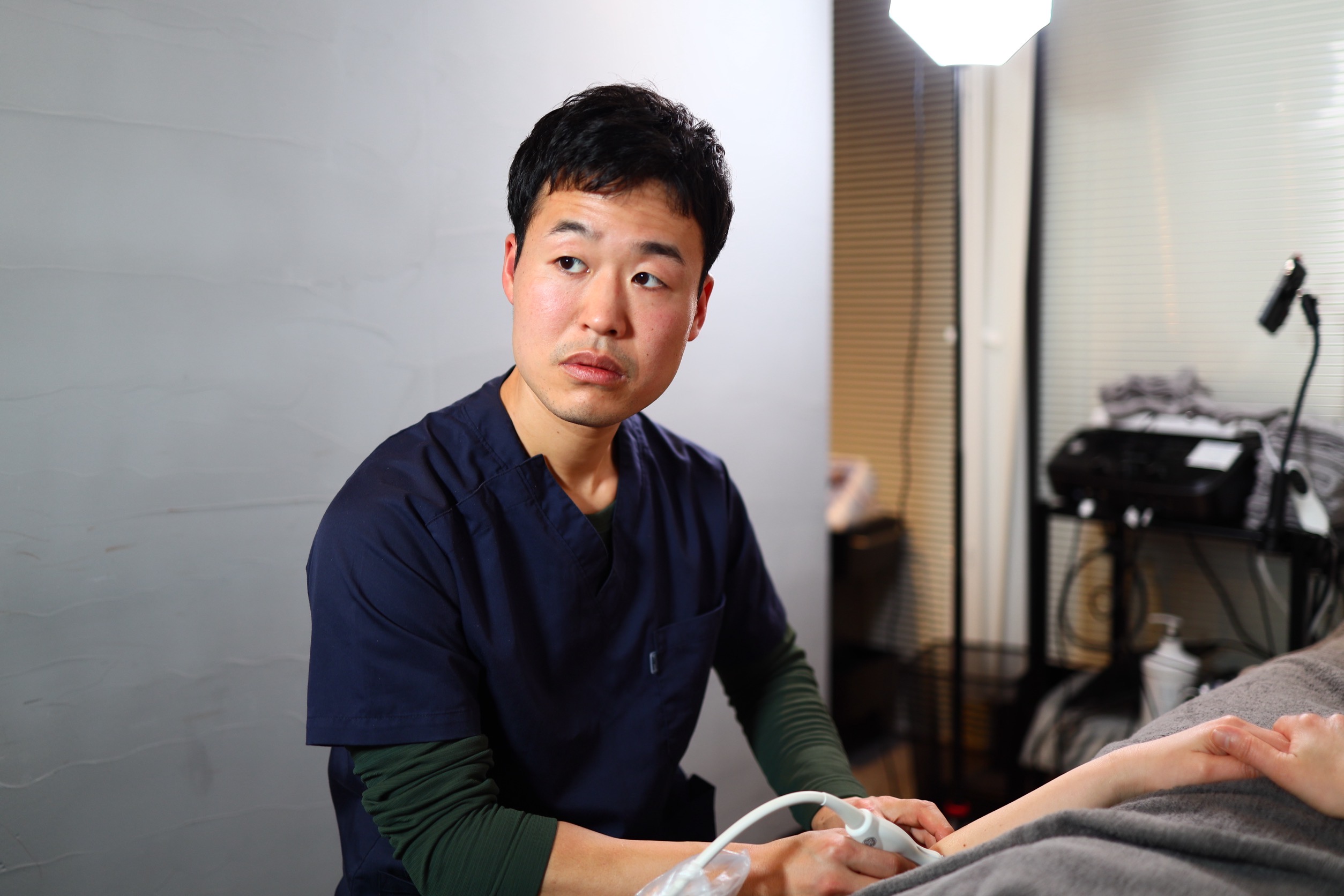
nWritten by Hidekazu Kuwabara, Registered Physiotherapist (BIG-registered, Amsterdam)
Hidekazu has over 10 years of clinical experience in physiotherapy and acupuncture. He specialises in musculoskeletal pain, sports injuries, and integrative East-West medicine at Alter Physio & Acupuncture, Amsterdam.
Disclaimer: This article is for informational purposes only and does not constitute medical advice. Always consult a qualified healthcare professional before making decisions about your health or treatment.
Related Articles
- Achilles Tendinopathy Amsterdam: Running Without Pain Again
- IT Band Syndrome Amsterdam: Knee Pain Relief for Runners and Cyclists
- Cycling Knee Pain in Amsterdam: Bike-Fit and Patellofemoral Solutions
Written by Hidekazu Kuwabara, Registered Physiotherapist (BIG-registered, Amsterdam)
Hidekazu has over 10 years of clinical experience in physiotherapy and acupuncture. He specialises in musculoskeletal pain, sports injuries, and integrative East-West medicine at Alter Physio & Acupuncture, Amsterdam.
Disclaimer: This article is for informational purposes only and does not constitute medical advice. Always consult a qualified healthcare professional before making decisions about your health or treatment.
Written by Hidekazu Kuwabara, Registered Physiotherapist (BIG-registered, Amsterdam)
Hidekazu has over 10 years of clinical experience in physiotherapy and acupuncture. He specialises in musculoskeletal pain, sports injuries, and integrative East-West medicine at Alter Physio & Acupuncture, Amsterdam.
Disclaimer: This article is for informational purposes only and does not constitute medical advice. Always consult a qualified healthcare professional before making decisions about your health or treatment.
Written by Hidekazu Kuwabara, Registered Physiotherapist (BIG-registered, Amsterdam)
Hidekazu has over 10 years of clinical experience in physiotherapy and acupuncture. He specialises in musculoskeletal pain, sports injuries, and integrative East-West medicine at Alter Physio & Acupuncture, Amsterdam.
Disclaimer: This article is for informational purposes only and does not constitute medical advice. Always consult a qualified healthcare professional before making decisions about your health or treatment.


