


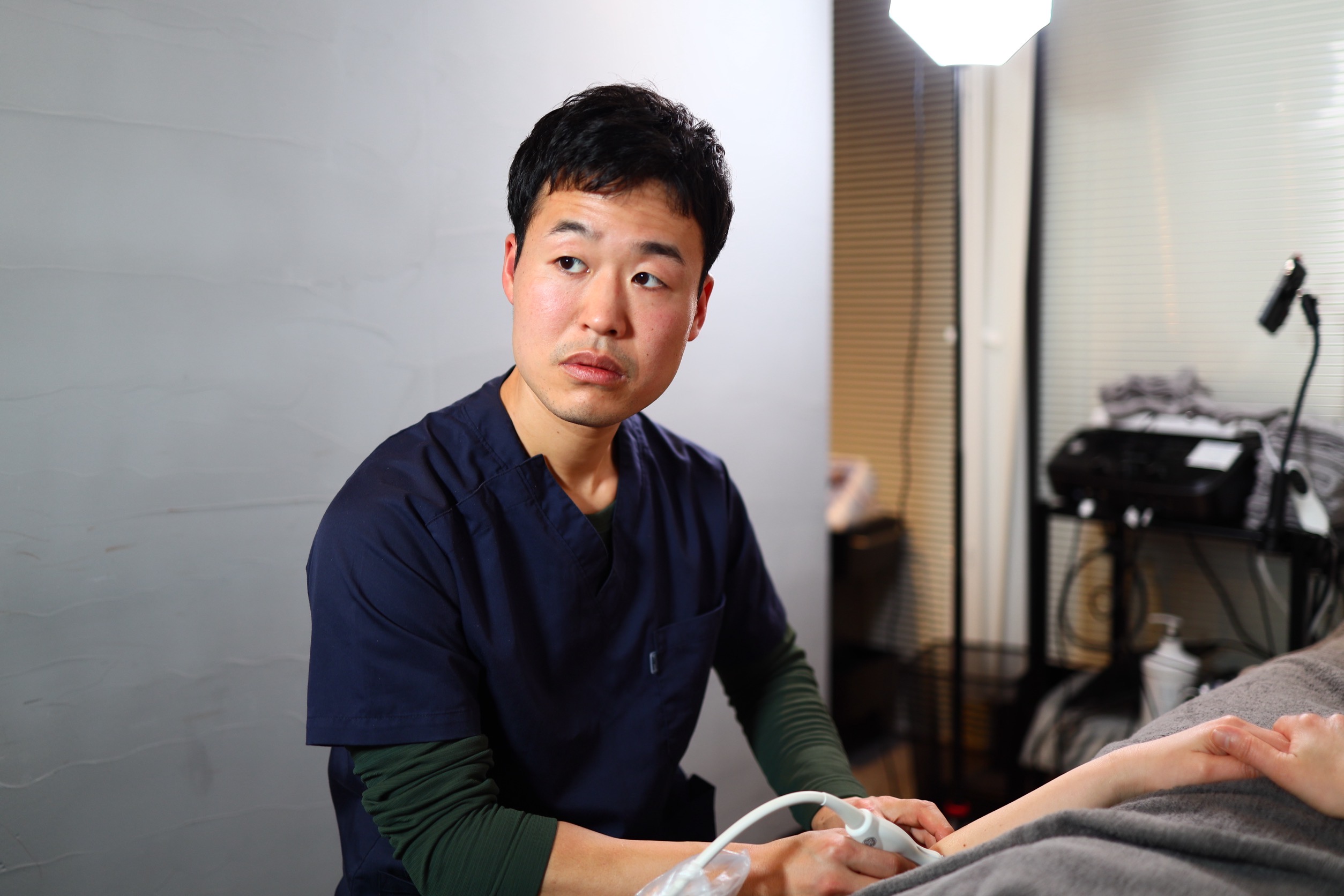

Why Diastasis Recti Recovery Needs a Plan
Many new mothers in Amsterdam notice a soft gap or doming along the midline of the belly. This is called diastasis recti.
In addition, the abdomen may feel weak, unstable, or visibly bulging. A clear recovery plan turns confusion into measurable progress.
This article explains what diastasis really is. Furthermore, it gives a 12-week diastasis recti recovery roadmap used at our Amsterdam clinic.
Moreover, you will learn what to do, what to avoid, and when to seek help. The aim is steady, safe progress without setbacks.
What Diastasis Recti Actually Is
A Widening, Not a Tear
Diastasis recti is a widening of the linea alba. That is the connective tissue between your two rectus abdominis muscles.
Moreover, the muscle itself is not torn or damaged. The tissue between the muscles has stretched during pregnancy to make room for your baby.
Why It Happens After Birth
Hormones soften connective tissue during pregnancy. As a result, the linea alba stretches and thins as the uterus grows upward.
After birth, this tissue does not always snap back. Recovery depends on load, posture, breathing patterns, and time.
Why It Matters Beyond Looks
A persistent gap is not only a cosmetic issue. It can reduce core stability and contribute to low back pain.
Furthermore, untreated diastasis is linked to postnatal back pain and pelvic floor strain. A focused plan addresses all of these layers together.
In addition, posture, hip control, and breathing pattern all interact with the gap. Treating only the abdomen rarely resolves the full picture.
As a result, a complete plan looks at the whole canister of the trunk. Diaphragm above, pelvic floor below, and deep abdominals around the sides.
How to Self-Check at Home
The Two-Finger and Three-Finger Test
Lie on your back with knees bent and feet flat. Place two fingers flat across your midline just above the belly button.
Lift your head and shoulders slightly off the floor. Then feel how many fingers fit into the gap as the muscles contract.
What the Numbers Mean
A gap of one to two fingers is usually mild. Three fingers or more often signals a functional diastasis.
Moreover, depth matters as much as width. A soft, deep, jelly-like feeling suggests weaker tissue tension.
Location Matters Too
Check three spots: above the belly button, at the belly button, and below it. Each region behaves differently.
In addition, gaps below the navel often respond to pelvic floor work first. Gaps above the navel often need rib position and breathing work.
Moreover, a gap that improves when you exhale and engage softly is a good sign. It means the deep system is still able to recruit.
Furthermore, repeat the self-check every two weeks. Tracking change is more useful than one single measurement.
Why Most “Ab Exercises” Make It Worse
The Crunch Pattern Problem
Classic crunches push the belly outward and upward. This raises intra-abdominal pressure against the weakest tissue.
As a result, the linea alba is loaded in the exact direction it cannot resist. Doming and bulging often appear during these moves.
What to Avoid in the Early Phase
Avoid crunches, sit-ups, planks, and heavy lifting in the first weeks. Also skip jumping, double leg lifts, and intense rotation.
Furthermore, breath-holding under load is a hidden trigger. It spikes pressure and pushes tissue outward.
The Pressure Principle
Think of the core as a soda can. Pressure should be managed, not maximised.
In addition, deep core muscles work best at low to moderate effort. Quality of contraction matters more than how hard you push.
Moreover, the way you breathe during effort changes the pressure inside the abdomen. Exhaling on effort gently reduces that pressure.
As a result, a softer breath pattern protects the linea alba. It also recruits the deep core more effectively.
The 12-Week Diastasis Recti Recovery Roadmap
Week 0 to 3: Breathing, Alignment, TVA Activation
The first phase rebuilds the foundation. The focus is breath, posture, and gentle transverse abdominis (TVA) activation.
Moreover, diaphragmatic breathing teaches the core to expand and recoil. This restores the natural pressure system without straining the linea alba.
Daily work includes 360-degree breathing and rib stacking over the pelvis. Add soft TVA draw-ins for ten slow repetitions.
Furthermore, alignment cues replace “suck in your stomach.” Long spine, soft ribs, and stacked pelvis are the goals.
In addition, this phase is short on intensity but high on awareness. Three to five short sessions a day work better than one long one.
Week 4 to 6: Pelvic Floor and TVA Loading
The next phase adds the pelvic floor into the team. Coordinated breath, TVA, and pelvic floor lifts become the new core pattern.
In addition, simple posture-led drills are introduced. Examples include heel slides, bent-knee marches, and supported bird-dog holds.
Each move is paired with exhale-on-effort breathing. This keeps pressure low while training real-life coordination.
Furthermore, daily posture habits matter as much as exercises. Standing tall while feeding or carrying your baby trains the core continuously.
Moreover, we add gentle glute work in this phase. Bridges and clamshells support the pelvis and lower back during daily tasks.
As a result, the deep core gets help from neighbouring muscles. The whole system shares the load instead of overworking one area.
Week 7 to 9: Low-Load Functional Patterns
Now the body is ready for real movement patterns. Split squats, modified planks on the wall, and hip hinges enter the plan.
Moreover, controlled loading challenges the linea alba safely. We watch for doming, breath-holding, or coning at the midline.
If the midline stays flat, load progresses. If doming appears, we regress one level and refine the breath.
As a result, your physiotherapy sessions become more functional. Movements start to mirror parenting tasks like lifting, carrying, and rising from the floor.
Furthermore, light resistance bands and small dumbbells appear in this phase. The goal is controlled load, not maximum effort.
In addition, we add walking volume and posture work. Many mothers feel a real shift in stability around week eight.
Week 10 to 12: Progressive Return to Dynamic Load
The final phase rebuilds dynamic strength and resilience. Step-ups, light deadlifts, and full plank progressions are added.
In addition, this is where running, jumping, and rotation can be reintroduced. Each step depends on midline behaviour under load.
Most clients in our Amsterdam clinic close the gap to functional levels by week twelve. Some need longer, and that is normal.
Furthermore, a final reassessment guides the next stage. We test the gap, depth, and load tolerance before clearing higher-impact activity.
Moreover, returning to sport is staged in small increments. Walking, then jogging, then short runs, then sport-specific drills.
As a result, setbacks become rare. Each progression is earned through observable control of pressure and midline.
Activities to Avoid Throughout the 12 Weeks
Heavy and High-Pressure Tasks
Avoid lifting heavy groceries, prams, or older children with poor mechanics. Use the exhale-on-effort rule for every lift.
Moreover, skip kettlebell swings, heavy barbell work, and overhead pressing early on. These spike abdominal pressure quickly.
High-Impact and Crunch-Style Moves
Running, jumping, and HIIT classes should wait. They challenge a system that is still healing.
In addition, classic crunches, sit-ups, V-ups, and Russian twists should be paused. Their pressure pattern works against your recovery.
Long Periods of Poor Posture
Slouched feeding posture and rounded shoulders also play a role. They compress the rib cage and disturb breathing.
Furthermore, a supportive chair, a feeding pillow, and small posture resets reduce daily strain. Consistency here beats any single exercise.
Moreover, holding your breath during a nappy change or lift adds pressure quietly. Notice the pattern and replace it with a slow exhale.
In addition, sleep position matters too. Side-lying with a pillow between the knees is gentler on the abdomen than flat-back positions.
When Surgical Referral Is Appropriate
Signs Conservative Care Has Reached Its Limit
Most diastasis improves significantly with structured rehab. However, some cases need a surgical opinion.
Moreover, referral is considered when a large gap remains after six to twelve months. This is especially true if there is a clear functional deficit.
In addition, severe doming under low load is a warning sign. So is a gap that does not narrow even with consistent training.
Furthermore, surgery is never the first step. It is the last resort when conservative care has been thoroughly applied.
What “Functional Deficit” Means
It includes ongoing low back pain, pelvic floor symptoms, or a persistent bulge under load. Daily tasks feel limited despite consistent training.
In addition, some women experience a true hernia at the midline. That always needs medical evaluation.
How We Coordinate Care in Amsterdam
At AlterPhysio, we screen for surgical red flags from session one. When needed, we coordinate with your GP or surgeon.
Furthermore, physiotherapy continues before and after surgery. Pre-habilitation and post-op rehab both improve outcomes.
Moreover, a stronger core before surgery makes recovery smoother. After surgery, rehab restores function and prevents recurrence.
In addition, our role is to keep you informed at every step. You always know what is happening and why.
How Acupuncture Can Support Postnatal Recovery
Beyond the Abdominal Wall
Postnatal recovery is more than core strength. Sleep, hormones, and stress all influence tissue healing.
Moreover, acupuncture can help with sleep, fatigue, and lingering tension. It pairs well with structured physiotherapy.
Integrated Care for Mothers
We design plans that combine movement, breathing, and acupuncture when appropriate. This integrated path supports the whole body.
In addition, our team takes time to understand your birth story and current goals. No two recoveries look the same.
Moreover, we adapt sessions around feeding times and your baby. Short, focused appointments respect your new schedule.
Furthermore, partners are welcome to join the first visit. Understanding the plan together makes home practice easier.
Practical Next Steps for Diastasis Recti Recovery
Start With an Assessment
A proper assessment confirms the gap, depth, and behaviour under load. It also rules out hernia and pelvic floor issues.
Moreover, this turns guesswork into a clear personal plan. You leave the first session with three to five priority exercises.
Build a Realistic Weekly Rhythm
Aim for short daily sessions of ten to fifteen minutes. Quality beats long workouts in this phase.
Furthermore, two to three guided physio sessions per month keep progress on track. Adjustments happen as your body changes.
Moreover, expect natural ups and downs along the way. Sleep, stress, and hormones all influence how the tissue responds.
In addition, partners and family can support recovery with small daily helps. A few extra minutes for practice each day adds up quickly.
Know Your Investment
Transparent pricing helps you plan ahead. Most postnatal clients combine a few in-clinic visits with home practice.
In addition, many Dutch insurance policies partially cover physiotherapy. We are happy to explain how this works in our clinic.
Moreover, the cost of doing nothing is often higher. Lingering back pain and weak core muscles affect work, sleep, and play with your child.
Furthermore, early action shortens total recovery time. Twelve focused weeks usually beat twelve months of guessing.
Book Your Postnatal Assessment in Amsterdam
Diastasis recti recovery is not a race. It is a structured 12-week journey back to a strong, confident core.
Furthermore, our team in Amsterdam guides each step in person. To start your roadmap, please contact AlterPhysio today.
Moreover, every plan is tailored to your birth, baby, and life. You will leave the first session with clear actions and clear expectations.
In addition, we are based in the heart of Amsterdam and welcome English, Dutch, and Japanese speakers. Postnatal recovery is what we do best.
n
Written by Hidekazu Kuwabara, Registered Physiotherapist (BIG-registered, Amsterdam)
Hidekazu has over 10 years of clinical experience in physiotherapy and acupuncture. He specialises in musculoskeletal pain, sports injuries, and integrative East-West medicine at Alter Physio & Acupuncture, Amsterdam.
Disclaimer: This article is for informational purposes only and does not constitute medical advice. Always consult a qualified healthcare professional before making decisions about your health or treatment.

