



Expat Physiotherapy in Amsterdam
English-speaking physiotherapy & Japanese acupuncture in Buitenveldert / Zuid. Sessions in EN · NL · 日本語.
Alter Physio & Acupuncture is a physiotherapy and Japanese acupuncture clinic in Amsterdam Zuid, built around expats living and working in Buitenveldert, Zuidas, and the WTC area. Sessions run in English, Dutch, or Japanese. There is no waiting list, no annual contract, and pricing is published upfront. Most clients are seen within two working days of their first contact.
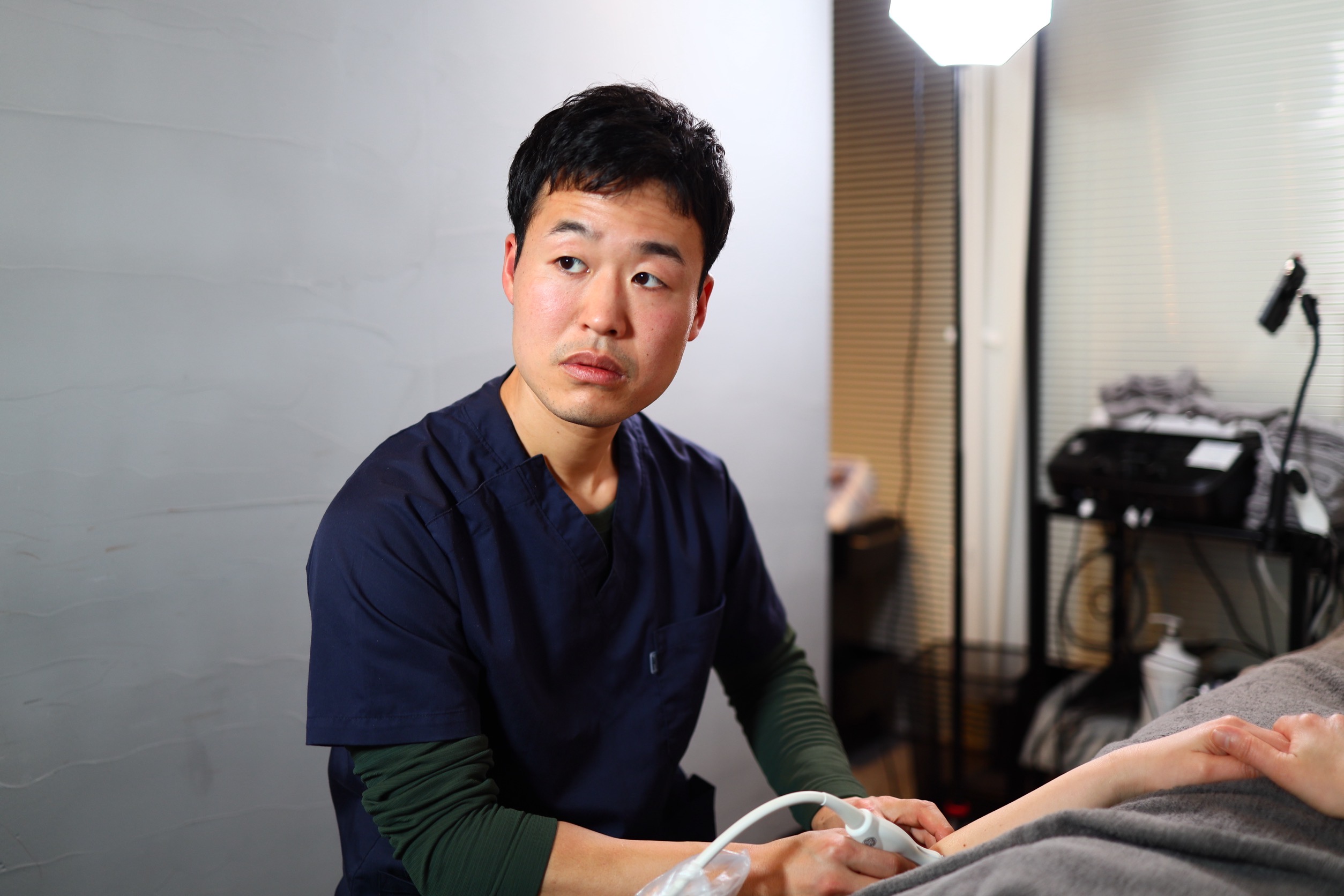
The clinic was founded by Hide Kuwabara, a Japan-trained physiotherapist with a background in professional football and the Dutch Judo National Team. Treatment is root-cause focused, which means the assessment looks for the source of the complaint rather than treating only where the pain appears.
Why Expats Choose Alter Physio & Acupuncture
Moving to Amsterdam often means navigating a new healthcare system at the same time as a new job, a new home, and a different climate. Most expats who contact the clinic are looking for three things: a practitioner who explains the plan clearly in English, an appointment within the week, and a treatment that addresses the actual cause of the complaint.
- Sessions in English, Dutch, and Japanese, conducted by the same practitioner from start to finish.
- No waiting list. New clients are typically scheduled within 1 to 3 working days.
- No annual contract or subscription. You pay per session, and you stop when the issue is resolved.
- Physiotherapy and Japanese acupuncture under one roof, so combined treatment plans do not require a second referral.
- Reports and exercise plans provided in English on request, suitable for sharing with international insurers or company HR.
- Direct, written quotes for sessions and packages, with no hidden surcharges.
The clinic is registered in the KP (Kwaliteitsregister Paramedici) and BIG registers, which are the standard Dutch quality and professional registers required for physiotherapy in the Netherlands.
Insurance and Reimbursement
Physiotherapy in the Netherlands is generally covered through aanvullende verzekering, the supplementary part of Dutch health insurance. Coverage depends on the package, not on the practitioner. AlterPhysio operates without insurer contracts, which keeps treatment decisions clinical rather than tied to a contracted session limit.
For clients with Dutch supplementary insurance
You receive a detailed invoice after each session. The invoice includes the practitioner’s AGB code, the treatment code, the date, and the amount paid. You submit it directly to your insurer through their app or portal, and reimbursement follows their published rates for non-contracted care. Most supplementary packages reimburse between 75 and 100 percent of the session fee, up to the annual limit in your policy.
For clients with international or expat insurance
Clients on policies such as Cigna, Allianz, AXA, Bupa Global, or company group plans usually pay the clinic directly and submit the English invoice to their insurer. Where a referral letter from a GP is required, the clinic can provide a treatment summary in English to accompany it. Acupuncture is reimbursed by many international policies under complementary care, separately from physiotherapy.
For self-paying clients
Session prices are listed on the rates page. There is no intake fee separate from the first session, and follow-up sessions are charged at the same rate as standard treatment. Packages are available for clients who already know they need a longer course, but they are not required.
Languages and Cultural Context
The same practitioner conducts the intake, the hands-on treatment, and the follow-up. Conversations stay in one language across the full course of treatment, so nothing is lost between an intake therapist and a treating therapist.
- English — used by the majority of expat clients, including those working at the WTC, Zuidas firms, and international schools nearby.
- Nederlands — for clients who prefer Dutch or need invoices and reports in Dutch for their employer.
- 日本語 — Hide is a native Japanese speaker, trained as a physiotherapist in Japan. Japanese-speaking clients can describe symptoms in their first language, which matters when the complaint is subtle or chronic.
Cultural context shapes how people describe pain, how they describe stress, and what they consider an acceptable level of discomfort. A practitioner who has lived and worked in Japan, the Netherlands, and inside international sports environments tends to read those signals faster.
How Sessions Work
First session (60 minutes)
The first session covers history, movement assessment, and the first round of hands-on treatment. By the end of the appointment you have a working diagnosis, an estimate of how many sessions the complaint is likely to need, and a short set of exercises or self-care points to take home.
Follow-up sessions (30 to 60/90 minutes)
Follow-up sessions combine manual therapy, targeted exercise, and, where indicated, Japanese acupuncture. The plan is reviewed at every visit. Most musculoskeletal complaints resolve within 4 to 8 sessions; chronic or post-surgical cases may take longer and are reviewed in blocks.
Combined physiotherapy and acupuncture
When relevant, Japanese acupuncture is integrated into the same plan. The acupuncture used at the clinic is a gentle style with very thin needles, oriented toward reducing protective muscle tension and improving local circulation around an injury. It is offered as part of the treatment plan, never as a stand-alone replacement for assessment.
Conditions We Treat
The clinic sees a broad range of complaints, with a particular concentration in desk-related pain, sports injuries, and post-surgical recovery. Common reasons expats come in include:
- Neck, shoulder, and upper back pain related to long hours at a laptop or commuting by bike.
- Low back pain, including disc-related complaints and sacroiliac pain.
- Knee pain from running, cycling, padel, tennis, or football.
- Shoulder impingement, rotator cuff complaints, and frozen shoulder.
- Headaches with a cervical or jaw component, including TMJ-related tension.
- Post-operative rehabilitation after ACL, meniscus, shoulder, or hand surgery.
- Pregnancy-related pelvic and low back pain, and postnatal recovery.
- Stress-related muscle tension, sleep disturbance, and chronic fatigue, where Japanese acupuncture is often added.
- Sports performance work for runners, cyclists, judoka, and recreational athletes preparing for an event.
If a complaint falls outside the clinic’s scope, you will be told directly in the first session and referred to a GP, sports physician, or specialist where appropriate. Practitioners hold working relationships with several orthopaedic surgeons, sports physicians, and dentists in the Amsterdam region, which shortens the route from assessment to specialist care when imaging or a medical opinion is needed.
The Clinic
AlterPhysio is located at Arent Janszoon Ernststraat 665A, 1082 LH Amsterdam, in Buitenveldert. The building is a five-minute walk from metro station Van Boshuizenstraat (line 51) and a short cycle from the WTC, Zuidas, the RAI, and the Amsterdamse Bos. Parking is available on the street and in nearby blue-zone areas.
Practitioners
The lead physiotherapist is Hide Kuwabara, registered in BIG and KP, trained in Japan, with clinical experience in professional football and as part of the Dutch Judo National Team’s support staff. The clinic also hosts three Japanese acupuncturists working as freelance practitioners, each trained in Japan and registered with the relevant Dutch professional bodies.
Opening hours
The clinic is open Monday to Friday, with early-morning and evening slots reserved for clients who work full-time in the Zuidas area. Saturday slots are limited and are usually held for post-surgical and acute cases.
Frequently Asked Questions
Do I need a referral from a GP to book physiotherapy?
For most complaints, no. Direct access to physiotherapy (DTF) is standard in the Netherlands. A short screening at the start of the first session confirms whether physiotherapy is the right route. Some insurers and most international policies do ask for a GP referral for reimbursement; if so, the clinic can advise on what the referral letter needs to include.
Will my Dutch health insurance reimburse the sessions?
If you have an aanvullende verzekering with physiotherapy coverage, yes, up to the limit in your package. AlterPhysio is non-contracted, so reimbursement follows the insurer’s published rates for non-contracted care, which is usually 75 to 100 percent of the session fee. The invoice you receive contains all the codes your insurer needs.
How quickly can I be seen?
There is no waiting list. New clients are usually offered an appointment within 1 to 3 working days, and same-day slots are sometimes available for acute injuries.
Is the acupuncture the same as Chinese acupuncture?
The style used at the clinic is Japanese acupuncture, which uses thinner needles, a gentler insertion technique, and a strong focus on palpation. It is suitable for clients who are needle-sensitive or new to acupuncture, and it is integrated with the physiotherapy plan rather than offered as a separate course of care.
Can I book sessions in Japanese?
Yes. Hide is a native Japanese speaker and trained as a physiotherapist in Japan, so intake, treatment, and reporting can run entirely in Japanese. This is used by Japanese expats in Amsterdam as well as by short-stay visitors who prefer to discuss their complaint in their first language.
Book an Appointment
To book a session, use the online scheduling page or send a short message describing the complaint and your preferred language. You will receive a reply on the same working day with the next available slots. For acute injuries, mention “acute” in your message and the earliest opening will be reserved.
AlterPhysio · Arent Janszoon Ernststraat 665A, 1082 LH Amsterdam · Buitenveldert / Zuid · English · Nederlands · 日本語
