



Pain & Injury
Reducing Pain by Addressing How the Body Moves, Protects, and Adapts
Pain is often the reason people seek physiotherapy.
But pain itself is rarely the full story.
Many people receive treatment for pain or injury, feel better for a short time, and then experience the same problem again. In our experience, this happens when treatment focuses only on the painful area rather than why the body created pain as a protective response.
At Alter Physio & Acupuncture, pain and injury physiotherapy is not about chasing symptoms. We focus on understanding how your body moves, compensates, and reacts to stress or load—so pain can reduce naturally and stay away.
Understanding Pain and Injury Differently
Pain does not always mean damage.
Often, it reflects how the nervous system responds to perceived threat, overload, or inefficient movement.
Common contributors to pain and injury include:
- Repeated movement patterns that overload certain areas
- Reduced coordination or stability
- Protective muscle tension driven by the nervous system
- Insufficient recovery between physical demands
- Past injuries that altered how the body moves
Treating pain without addressing these factors often leads to temporary relief rather than lasting change.
What We Focus On in Pain & Injury Physiotherapy
Instead of isolating the painful tissue, we assess how the body functions as a whole.
Our assessment and treatment focus on:
- Movement quality and coordination
- Load tolerance and adaptation capacity
- Breathing and trunk control
- Protective tension and guarding patterns
- How symptoms change during and after movement
This allows us to identify why pain developed and what the body needs to recover safely.
How Our Approach Is Different
Many pain treatments aim to eliminate symptoms as quickly as possible. While this can be useful short-term, it does not always prevent recurrence.
Our approach:
- Prioritizes restoring efficient movement before increasing load
- Respects the role of the nervous system in pain perception
- Uses manual therapy only when it supports movement change
- Progresses treatment based on response, not rigid timelines
- Focuses on confidence in movement, not fear avoidance
This creates a foundation for recovery that extends beyond pain relief.
When Pain & Injury Physiotherapy Is Most Helpful
This approach is well suited for people who:
- Have ongoing or recurring pain
- Developed pain without a clear injury
- Feel stiffness, weakness, or instability during movement
- Have tried treatment elsewhere with limited lasting results
- Want to understand the cause of their pain
Pain & injury physiotherapy can support both recent injuries and long-standing issues.
Integration With Other Treatments
Pain rarely exists in isolation. Depending on your condition, physiotherapy may be combined with:
- Japanese Acupuncture, to regulate the nervous system and reduce pain sensitivity
- Myofascial Release Therapy, to reduce protective muscle tension
- Japanese Bodywork (Seitai approach), to improve whole-body coordination and balance
These methods support physiotherapy by preparing the body for movement-based recovery.
What a Session Looks Like
Your session begins with an assessment of how you move, respond to load, and manage discomfort.
Treatment may include:
- Guided movement and posture adjustments
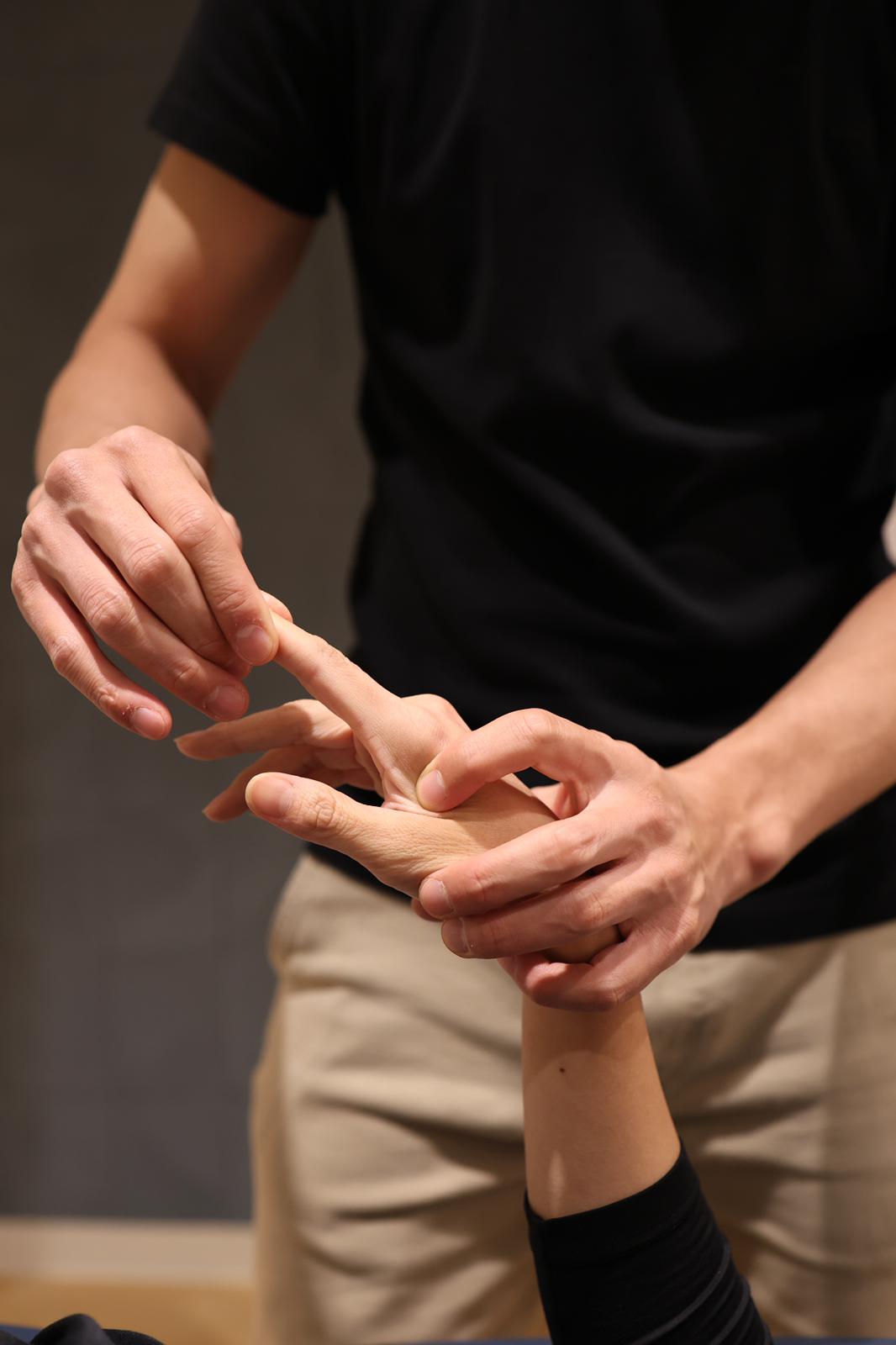
- Hands-on techniques to support mobility and comfort
- Simple, targeted exercises designed to restore confidence in movement
The aim is not to push through pain, but to help your body move safely and efficiently again.
Who This Approach Is For
Pain & injury physiotherapy at Alter Physio & Acupuncture is suitable for:
- People with musculoskeletal pain
- Those recovering from injury
- Individuals frustrated by recurring symptoms
- Anyone seeking a thoughtful, whole-body approach to pain management
Start With an Assessment
You do not need to know exactly what is wrong before starting treatment.
Your first session focuses on understanding your body and selecting the most appropriate approach.
Book an appointment to explore how physiotherapy and movement therapy can support your recovery, performance, and long-term health.
