


A caesarean scar may look quiet on the surface, yet the deeper tissue is far from finished healing. Furthermore, restrictions in the scar can drive back pain, bladder symptoms, and core weakness for years. Most women never hear about scar mobilisation in their postpartum care.
At our Amsterdam clinic we treat scars at six weeks, six months, or six years after surgery. Therefore, this article explains why mobilisation matters and what we do. The work is gentle, evidence-informed, and surprisingly powerful.
How a C-Section Heals
The surgeon cuts through skin, fat, fascia, abdominal muscles, peritoneum, and uterus. Specifically, seven separate tissue layers must heal in order. Each layer scars at its own pace.
Initial healing takes six weeks, but full collagen remodelling continues for up to two years. Consequently, restrictions can form silently between layers. These adhesions limit glide between fascia, muscle, and organs.
Why Scars Cause Problems Later
Adhesions tether tissue that should slide freely. Therefore, simple movements like bending or twisting may pull the bladder, uterus, or low back. Patients often blame their core, when the scar is the actual culprit.
Common late symptoms include low back pain, hip stiffness, painful intercourse, and frequent urination. Moreover, some women report scar numbness or sharp pulling sensations. Even cosmetic concerns can hide deeper restriction.
When to Start Scar Mobilisation
Once the scar has fully closed and there is no infection, gentle work can begin. Specifically, most women start between six and eight weeks postpartum. However, scars older than several years still respond well.
We work with women in every postpartum stage. Therefore, it is never too late to address scar restrictions. Even ten-year-old scars often soften significantly with care.
What Happens During Assessment
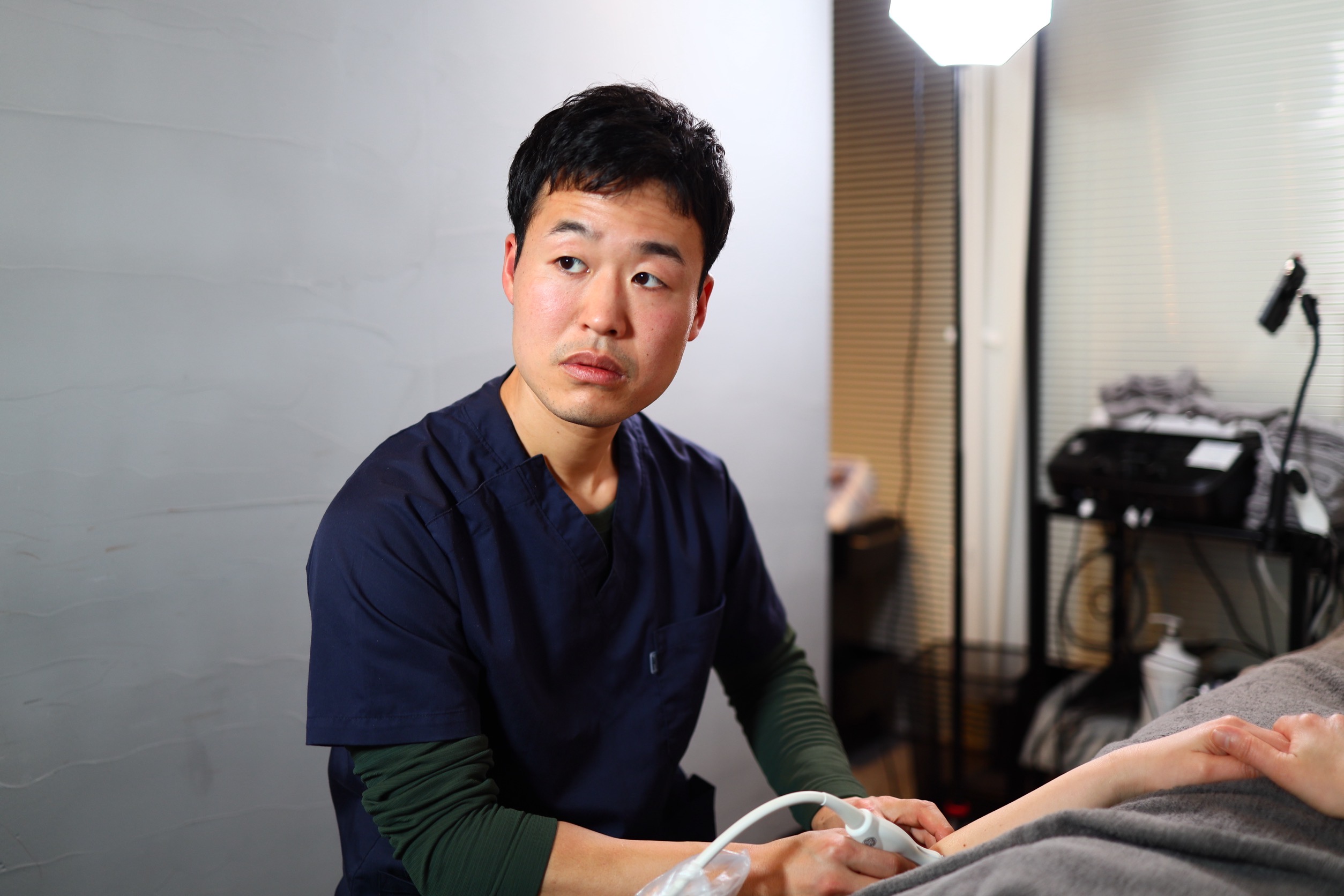
The first session begins with a calm interview and an explanation of the scar’s anatomy. Moreover, we test gentle skin glide, fascial mobility, and the underlying tissue layers. Patients control every step.
We check abdominal wall function, breathing patterns, and pelvic floor coordination. Additionally, we screen for diastasis and core synergy. Read more on the physiotherapy page.
Manual Mobilisation Techniques
We use skin rolling, fascial stretching, and gentle layer-specific gliding. Furthermore, hands-on work is slow and respectful. Patients usually find it relaxing rather than painful.
Cupping and silicone tools support deeper restrictions. Therefore, we tailor each technique to your tolerance. Most women see clear softening within three to five sessions.
Self-Care Between Sessions
Daily self-mobilisation accelerates progress. Specifically, two minutes of gentle skin rolling each evening keeps tissue gliding. We teach this in the first session.
Use plain oil or a silicone gel to reduce friction. Moreover, work in three directions: side to side, up and down, and circular. Consistency matters more than intensity.
Acupuncture for Scar Tissue
Japanese-style acupuncture pairs well with manual scar work. Specifically, fine needles around and through the scar reduce hypersensitivity and improve tissue quality. Most patients tolerate it easily.
Research suggests acupuncture supports collagen remodelling and microcirculation. Therefore, we integrate it into postpartum care when appropriate. Read more on the acupuncture page.
Restoring Core and Pelvic Floor Function
Scar work alone is not enough. Furthermore, we rebuild deep core and pelvic floor coordination. Breath-led activation is the foundation.
Progressive loading restores transverse abdominis, multifidus, and pelvic floor synergy. Consequently, the abdominal wall regains both strength and elasticity. Two to three sessions of home work per week is enough.
Diastasis Recti and the C-Section
Many post-caesarean mothers also have abdominal separation. Therefore, we screen for diastasis and treat it concurrently. Closure is rarely complete, but function can return.
Targeted breath and load progressions reduce gap and restore tension. Moreover, posture and lifting technique matter daily. Small habits compound over months.
Integrated Care Pathway
Many patients benefit from combining physio with acupuncture. Furthermore, we offer integrated sessions described on the integrated care page. Costs are listed on the pricing page.
Expats can use restitutie-style insurance or self-pay. Moreover, see the expat physio page for direct billing information.
Realistic Expectations
Most women feel meaningful change within four to six sessions. Therefore, full integration of scar work, core retraining, and acupuncture takes two to three months. Older scars may need longer.
You can expect softer scar tissue, less pulling, and improved abdominal function. Additionally, low back pain often eases as a side benefit. Some women rediscover sensation around the scar.
Red Flags to Watch
Active redness, heat, discharge, or new pain after years warrants medical review. Specifically, hernias and adhesion-related bowel symptoms need a GP first. We work hand in hand with huisartsen when needed.
Endometriosis can also implant in scar tissue. Consequently, cyclical scar pain deserves a gynaecology referral. Most cases, however, are simply restrictions and respond to physio.
Returning to Sport After C-Section
Most women can return to gentle exercise from week six. Furthermore, structured return to running typically starts at three to four months postpartum. We use validated return-to-sport screens.
High-impact and heavy lifting should wait until core control is confirmed. Therefore, postpartum athletes benefit from a phased programme. Consistency wins over intensity.
Emotional Side of Scar Work
Some women feel unexpected emotions during scar mobilisation. Moreover, the scar represents birth, recovery, and identity. We hold space for that calmly.
Communication is always open and you direct the pace. Consequently, sessions remain safe and patient-led. Many women describe scar work as restorative beyond the physical.
Final Thoughts
A caesarean scar deserves attention long after the wound looks closed. Therefore, scar mobilisation belongs in postpartum care. Months or years later, change is still possible.
Book via the contact page or see the FAQ for practical questions. Our team will guide you calmly and respectfully.
nWritten by Hidekazu Kuwabara, Registered Physiotherapist (BIG-registered, Amsterdam)
Hidekazu has over 10 years of clinical experience in physiotherapy and acupuncture. He specialises in musculoskeletal pain, sports injuries, and integrative East-West medicine at Alter Physio & Acupuncture, Amsterdam.
Disclaimer: This article is for informational purposes only and does not constitute medical advice. Always consult a qualified healthcare professional before making decisions about your health or treatment.
Related Articles
- Pregnancy Sciatica: Safe Treatment in Each Trimester in Amsterdam
- Diastasis Recti After Birth: A 12-Week Recovery Roadmap
- Pelvic Girdle Pain During Pregnancy: Physio That Actually Helps
Written by Hidekazu Kuwabara, Registered Physiotherapist (BIG-registered, Amsterdam)
Hidekazu has over 10 years of clinical experience in physiotherapy and acupuncture. He specialises in musculoskeletal pain, sports injuries, and integrative East-West medicine at Alter Physio & Acupuncture, Amsterdam.
Disclaimer: This article is for informational purposes only and does not constitute medical advice. Always consult a qualified healthcare professional before making decisions about your health or treatment.

