


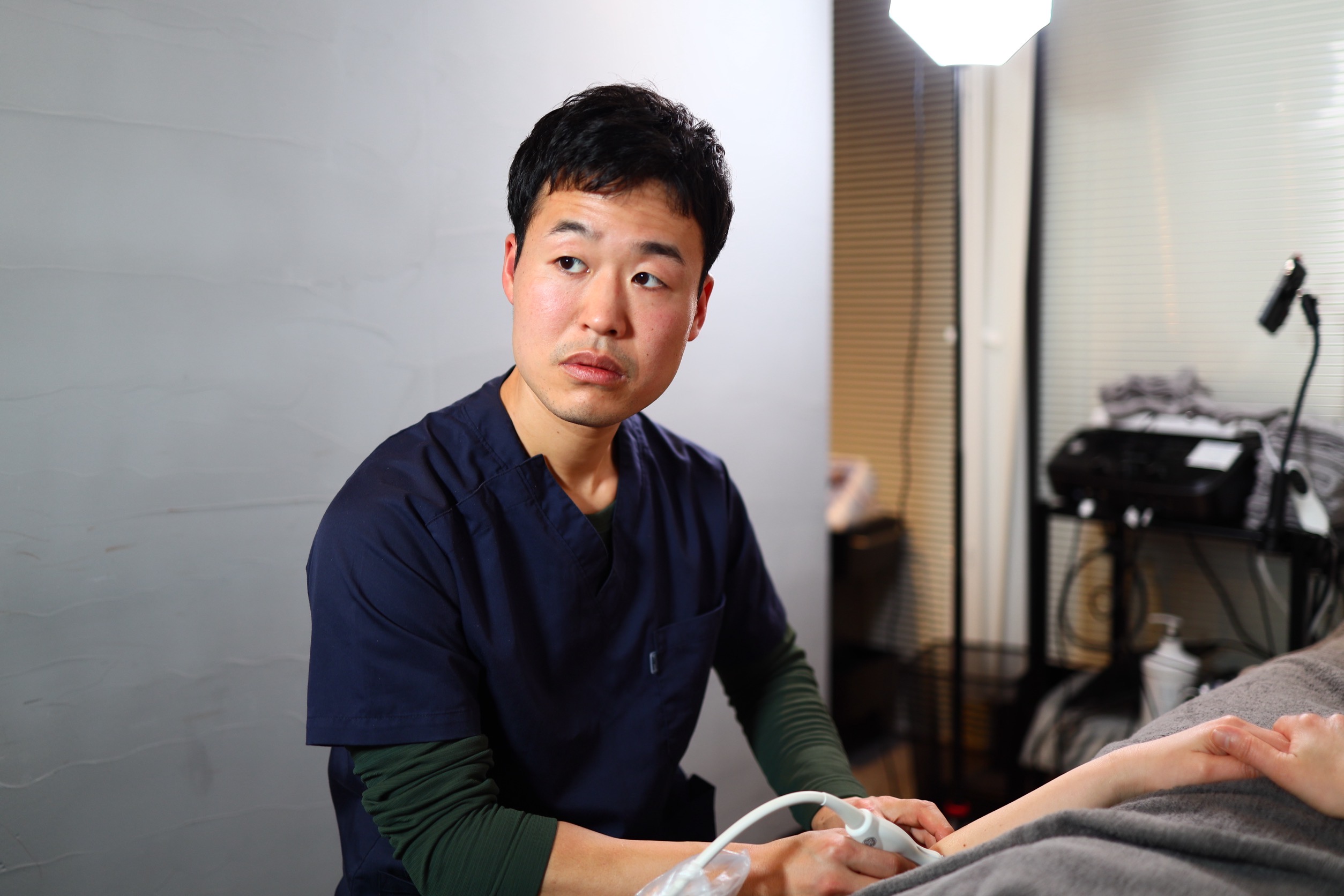

A patch of burning, tingling, or numbness on the outside of the thigh often points to meralgia paresthetica. Furthermore, the symptom is annoying but rarely dangerous. Most cases respond well to conservative care within weeks.
At our Amsterdam clinic, we see this condition in cyclists, runners, pregnant women, and office workers in tight jeans or belts. Therefore, root-cause physiotherapy plus targeted acupuncture usually resolves the problem. This article explains what the condition is and how we treat it.
What Is Meralgia Paresthetica
Meralgia paresthetica is irritation of the lateral femoral cutaneous nerve. Specifically, this purely sensory nerve runs from the lumbar spine, under the inguinal ligament, into the outer thigh skin. It carries no motor signals.
When the nerve gets compressed at the groin, sensory misfiring occurs. Consequently, you feel numbness, burning, or pins-and-needles down the outer thigh. Strength and reflexes remain normal.
Typical Symptoms
The classic presentation is a hand-sized patch of altered sensation on the front-outer thigh. Moreover, symptoms worsen with standing, walking, or wearing tight waistbands. Lying down usually brings relief.
Some patients describe deep burning at night. Others notice cold-feeling skin or hypersensitivity to clothing. Importantly, pain stops at the knee, not below it.
Common Causes in Amsterdam Patients
Tight belts, skinny jeans, and heavy tool belts top the list. Furthermore, cycling with a leaned-forward racing posture compresses the inguinal region. Pregnancy and recent weight gain shift abdominal pressure forward.
Other triggers include diabetes, prolonged seated work, and prior abdominal surgery. Therefore, a careful history matters more than imaging. Most cases never need an MRI.
How We Diagnose It
Diagnosis is clinical and quick. Specifically, we map the numb area, palpate the inguinal ligament, and rule out lumbar referral. Reproducing symptoms with deep pressure near the ASIS strongly confirms the diagnosis.
We also check hip flexor length, lumbar mobility, and posture. Additionally, neurological screening rules out L2 to L4 radiculopathy. Sometimes a diagnostic nerve block confirms borderline cases.
Conservative Treatment: First-Line Care
Eighty percent of cases improve within two months without surgery. Therefore, conservative care is always the first step. We focus on reducing pressure at the groin and improving tissue glide.
Practical changes include loosening belts, ditching tight jeans, and adjusting saddle height. Moreover, weight loss helps when relevant, and standing breaks support healing. See our physiotherapy page for our broader approach.
Manual Therapy and Nerve Gliding
Soft-tissue release around the inguinal ligament reduces local compression. Additionally, gentle nerve-gliding drills restore movement of the lateral femoral cutaneous nerve. Patients usually feel less burning within three to four sessions.
We also mobilise the lumbar spine and the front of the hip capsule. Consequently, hip flexor length improves and pelvic tilt normalises. This indirectly decompresses the nerve.
Exercise Strategy
Posterior pelvic tilt drills, hip flexor stretches, and glute activation form the core programme. Furthermore, deep core work reduces compensatory anterior pelvic tilt. Three short sessions per week usually suffice.
Walking with a slightly more upright posture also helps. Therefore, we coach gait and standing alignment. Patients return to running once symptoms calm and hip strength returns.
Acupuncture for Meralgia Paresthetica
Japanese-style acupuncture pairs well with physio for nerve-irritation conditions. Specifically, fine needles reduce local inflammation and modulate the sensory nervous system. Most patients notice a calmer thigh after two sessions.
We needle around the ASIS, the lateral thigh band, and segmental lumbar points. Additionally, electroacupuncture can help in stubborn cases. Read more on the acupuncture page.
Integrated Care Plan
For persistent cases we combine both modalities. Therefore, weekly physio plus fortnightly acupuncture often shortens recovery. The full approach is described on our integrated care page.
Patients on the 30 percent ruling can self-pay or use restitutie-style insurance. Furthermore, see our expat physio page for billing details.
Lifestyle Adjustments
Cyclists should raise the handlebars temporarily and check saddle tilt. Moreover, lifters need to swap heavy weight belts for softer support. Office workers benefit from sit-stand desks.
Sleep on your back or pain-free side with a pillow between the knees. Consequently, you reduce night-time nerve compression. Most patients sleep better within a week.
When Imaging or Injection Helps
If symptoms persist beyond eight weeks of structured care, we refer for ultrasound-guided nerve block. Therefore, a diagnostic-and-therapeutic injection of local anaesthetic plus corticosteroid often resolves stubborn cases. Surgery is reserved for rare refractory presentations.
Imaging is only useful when red flags suggest lumbar pathology. Specifically, motor weakness, bowel symptoms, or saddle anaesthesia warrant an MRI. These are not features of true meralgia paresthetica.
Pregnancy-Related Meralgia Paresthetica
During pregnancy the symptom often appears in the third trimester. Additionally, it usually resolves spontaneously within three months postpartum. Therefore, treatment focuses on comfort and posture.
We use gentle physiotherapy, supportive belts where appropriate, and limited acupuncture. Furthermore, we coordinate with verloskundigen for pregnancy-safe care. Most pregnant patients tolerate four to six sessions well.
What Recovery Looks Like
Most patients notice reduced burning within three weeks. Moreover, complete normalisation of sensation can take up to six months. Residual mild numbness is common but not limiting.
Track recovery with a body map and a simple 0 to 10 burning score. Consequently, you and your therapist see clear progress. Re-evaluation every fourth session keeps the plan honest.
Preventing Recurrence
Keep belts loose, maintain core strength, and avoid sustained anterior pelvic tilt. Therefore, the nerve stays decompressed even under load. Cyclists should re-check bike fit every season.
Add hip mobility and glute work to your weekly routine. Eventually, this becomes injury-prevention training for the whole lower body. See more on the FAQ.
Final Thoughts
Meralgia paresthetica looks scary because of the numb thigh patch. However, it is a peripheral nerve issue that responds well to careful physiotherapy and acupuncture. Most people recover fully within two months.
Book an assessment via the contact page. Our team explains every step in calm, factual language.
nWritten by Hidekazu Kuwabara, Registered Physiotherapist (BIG-registered, Amsterdam)
Hidekazu has over 10 years of clinical experience in physiotherapy and acupuncture. He specialises in musculoskeletal pain, sports injuries, and integrative East-West medicine at Alter Physio & Acupuncture, Amsterdam.
Disclaimer: This article is for informational purposes only and does not constitute medical advice. Always consult a qualified healthcare professional before making decisions about your health or treatment.
Related Articles
- Pregnancy Sciatica: Safe Treatment in Each Trimester in Amsterdam
- Diastasis Recti After Birth: A 12-Week Recovery Roadmap
- Pelvic Girdle Pain During Pregnancy: Physio That Actually Helps
Written by Hidekazu Kuwabara, Registered Physiotherapist (BIG-registered, Amsterdam)
Hidekazu has over 10 years of clinical experience in physiotherapy and acupuncture. He specialises in musculoskeletal pain, sports injuries, and integrative East-West medicine at Alter Physio & Acupuncture, Amsterdam.
Disclaimer: This article is for informational purposes only and does not constitute medical advice. Always consult a qualified healthcare professional before making decisions about your health or treatment.


