



Plantar fasciitis runners treatment often starts with stretching. However, the pain returns each morning despite hours of calf stretches.
Most runners assume tight calves cause the problem. As a result, they miss the real driver: tissue load tolerance, not flexibility.
This article explains why stretching alone rarely fixes the issue. Furthermore, it outlines what actually works for runners in Amsterdam.
We base this approach on current research and over a decade of clinical experience. In addition, we share the exact protocols we use at AlterPhysio.
Why Runners Get Plantar Fasciitis
Running loads the plantar fascia with two to three times body weight on each step. As a result, the tissue must adapt to repeated high-force demands.
The plantar fascia behaves like a tendon. It stores and releases elastic energy with every stride.
In addition, the fascia connects the heel to the toes along the arch. This band of connective tissue acts as a passive spring.
Most runners never think about this tissue until pain appears. However, every push-off depends on a healthy plantar fascia.
Load Tolerance vs Imposed Load
Injury occurs when imposed running load exceeds tissue load tolerance. This mismatch happens after rapid mileage jumps or speed work.
Moreover, new runners often add volume before the fascia adapts. Therefore, micro-damage accumulates faster than repair.
The classic ten-percent weekly rule helps prevent this mismatch. Furthermore, it gives connective tissue time to remodel between sessions.
Marathon training blocks are particularly risky. As a result, plantar fasciitis often peaks during weeks twelve to sixteen of preparation.
The Runner-Specific Pattern
Forefoot strikers load the fascia differently than heel strikers. In addition, downhill running and track repeats spike stress dramatically.
Hard surfaces such as concrete amplify these forces. Therefore, urban runners in Amsterdam often face higher injury risk than trail runners.
Body weight also influences fascia stress. Moreover, runners who recently gained weight or returned from a break face an extra adaptation challenge.
For a broader overview of this condition, see our main article on plantar fasciitis treatment in Amsterdam. This post focuses on the runner-specific angle.
Why Morning Pain Hits Hardest
The classic symptom is sharp heel pain on the first steps out of bed. This pattern reveals exactly what is happening inside the tissue.
Overnight Contracted State
During sleep, the foot rests in plantar flexion. As a result, the fascia shortens and partial healing occurs in this contracted position.
The new collagen fibres lay down without tension. Therefore, they form a fragile, disorganised matrix overnight.
First-Step Loading
Standing applies sudden tensile stress to this fragile tissue. Furthermore, the heel-strike forces re-tear the immature collagen.
Pain eases after a few minutes as fibres realign under load. However, the cycle repeats every night without proper treatment.
This morning pattern is a hallmark of degenerative fascia. In addition, it distinguishes plantar fasciitis from simple muscle soreness.
Why It Worsens After Sitting
Many runners notice pain after long meetings or car drives. As a result, prolonged immobility recreates the overnight contracted state.
The fascia stiffens whenever blood flow drops and tension is absent. Furthermore, sudden loading after rest mimics the morning re-tear cycle.
Why Stretching Alone Fails
Calf and plantar fascia stretches feel good. Yet they rarely resolve chronic cases on their own.
Tendon-Like Remodelling Needs Load
The plantar fascia is dense connective tissue with tendon-like properties. As a result, it remodels through mechanical load, not passive lengthening.
Stretching adds length but not strength. Moreover, it fails to stimulate collagen synthesis or fibre alignment.
What the Research Shows
Rathleff and colleagues compared stretching with heavy slow resistance training in 2015. Their study tracked patients with chronic plantar fasciitis over twelve months.
The heavy resistance group reported far better outcomes at three months. In addition, function scores improved nearly twice as fast as the stretching group.
The Load Principle
Heavy slow resistance involves high-load calf raises with a towel under the toes. Therefore, the fascia is loaded under stretch and tension simultaneously.
This protocol mimics the demands of running. Furthermore, it builds true tissue capacity, not just temporary symptom relief.
Stretching Still Has a Role
Stretching is not useless. It can reduce morning stiffness and ease symptoms before a run.
However, stretching should support strength work, not replace it. Therefore, view it as a warm-up tool rather than a stand-alone treatment.
Plantar Fasciitis Runners Treatment: The Combined Approach
Effective plantar fasciitis runners treatment combines four pillars. Single interventions rarely solve chronic cases on their own.
At AlterPhysio Amsterdam, we layer these methods into one programme. Moreover, this integrated model matches what current research supports.
Calf and Plantar Strength
Heavy slow resistance calf raises form the core of rehabilitation. We progress from bilateral to single-leg work over six to twelve weeks.
Moreover, loaded eccentric work builds capacity for the running cycle. Sets of eight repetitions with three-second tempo work best.
We typically prescribe three sessions per week with progressive load. In addition, each session takes only fifteen minutes to complete.
Pain during exercise up to a four out of ten is acceptable. However, sharp or worsening pain signals the need to reduce load.
Intrinsic Foot Training
The small muscles inside the foot share load with the plantar fascia. Therefore, training them reduces direct stress on the injured tissue.
Short-foot exercises and toe-yoga drills activate these muscles. In addition, balance work on a single leg challenges the entire foot system.
Daily five-minute sessions yield steady gains over six weeks. Furthermore, these drills require no equipment beyond a flat surface.
Manual Therapy and Dry Needling
Hands-on treatment of the calf and plantar fascia reduces local stiffness. As a result, patients tolerate loading exercises sooner.
Soft tissue release also improves ankle mobility. Moreover, better dorsiflexion lowers strain on the fascia during push-off.
For chronic cases, dry needling and acupuncture target stubborn trigger points. Furthermore, needling appears to stimulate local healing responses in degenerated tissue.
Why Four Pillars Beat One
Each pillar addresses a different layer of the problem. As a result, the combined approach is far more reliable than isolated interventions.
Strength rebuilds capacity, manual therapy restores movement, and needling calms chronic pain. In addition, intrinsic foot work redistributes load away from the irritated tissue.
Run Modification That Works
Rehabilitation does not mean stopping running completely. Smart modification preserves fitness while the fascia recovers.
Cadence Adjustments
Increasing cadence by five to ten percent reduces ground reaction forces. Moreover, it shortens stride length and softens heel impact.
Most runners settle around 170 steps per minute. Aiming for 180 often eases plantar fascia load immediately.
A metronome app makes cadence training simple. In addition, smart watches now display real-time step rate during easy runs.
Footwear Considerations
Footwear should match your current tissue capacity. Therefore, minimalist shoes may overload an irritated fascia during a flare.
A shoe with moderate drop and cushioning suits acute phases. In addition, gradual transitions between shoe types prevent symptom flare-ups.
Training Volume Management
Cutting weekly mileage by twenty to thirty percent often relieves symptoms. Moreover, switching every second run to cycling or swimming maintains fitness.
Avoid back-to-back hard sessions during a flare. Therefore, place at least one easy or cross-training day between runs.
Surface Selection
Soft surfaces such as park paths reduce peak forces. Furthermore, Amsterdam runners can use Vondelpark or Amstelpark trails during recovery.
Avoid downhill repeats and aggressive speed work until pain settles. As a result, you protect the fascia while still building aerobic capacity.
Learn more about how we treat running-related issues on our sports injuries page. We also address related foot and ankle complaints at our Amsterdam clinic.
Realistic Recovery Timelines
Plantar fasciitis recovery rarely follows a quick path. Honest expectations protect motivation through the process.
Acute Cases
Symptoms under six weeks often resolve within two months. Furthermore, load management and early strength work shorten this window.
Most acute cases respond well to home-based exercises. However, a brief consultation often saves weeks of trial and error.
Chronic Cases
Chronic plantar fasciitis usually needs three to six months of structured rehab. As a result, consistency matters far more than intensity.
Patients who quit at week eight often relapse. Moreover, those who complete a full twelve-week strength block show the most durable results.
Tracking Progress
Monitor morning pain on a zero-to-ten scale each week. As a result, you spot trends without reacting to single bad days.
A drop of two or more points over four weeks signals real progress. Furthermore, improved single-leg calf raise reps confirm tissue adaptation.
When to Seek Help
Self-management is reasonable for the first two to four weeks. However, persistent pain beyond that point warrants a professional assessment.
Early intervention prevents the slide into chronic disease. Moreover, runners who address symptoms within six weeks recover roughly twice as fast.
Common Mistakes Runners Make
Several patterns delay recovery in runners we treat. Knowing them helps you avoid the most costly errors.
Pushing Through Sharp Pain
Many runners ignore early heel pain and keep training hard. As a result, mild inflammation becomes chronic degeneration over months.
The body sends pain signals for a reason. Therefore, treating early symptoms with respect avoids the long road back.
Over-Reliance on Passive Care
Some runners chase massage, taping, or orthotics without doing strength work. However, passive care only buys short-term relief without addressing capacity.
Insoles can help during a flare. In addition, they offer a useful bridge while strength gains develop.
Returning Too Quickly
The fascia often feels fine before it is truly ready. Furthermore, pain-free does not equal load-tolerant for connective tissue.
Return to running should follow a graded plan. Moreover, alternating walking and easy jogging eases the fascia back into work.
Start with one easy run per week of twenty minutes. Furthermore, double the volume only after two pain-free weeks.
Speed work returns last in the rehab sequence. As a result, the fascia regains capacity for higher-intensity demands safely.
Get Personalised Treatment in Amsterdam
Plantar fasciitis in runners deserves more than generic stretching advice. At AlterPhysio, we build load-based plans specific to your training goals.
Our team combines physiotherapy, dry needling, and acupuncture under one roof. Therefore, you receive integrated care without juggling multiple clinics.
We tailor each programme to your training schedule and race goals. In addition, our therapists understand the demands of recreational and competitive runners.
The first assessment includes a movement screen and gait analysis. Furthermore, we explain your specific load tolerance so you can train smarter.
Ready to run pain-free again? Contact our Amsterdam clinic to book an assessment today.
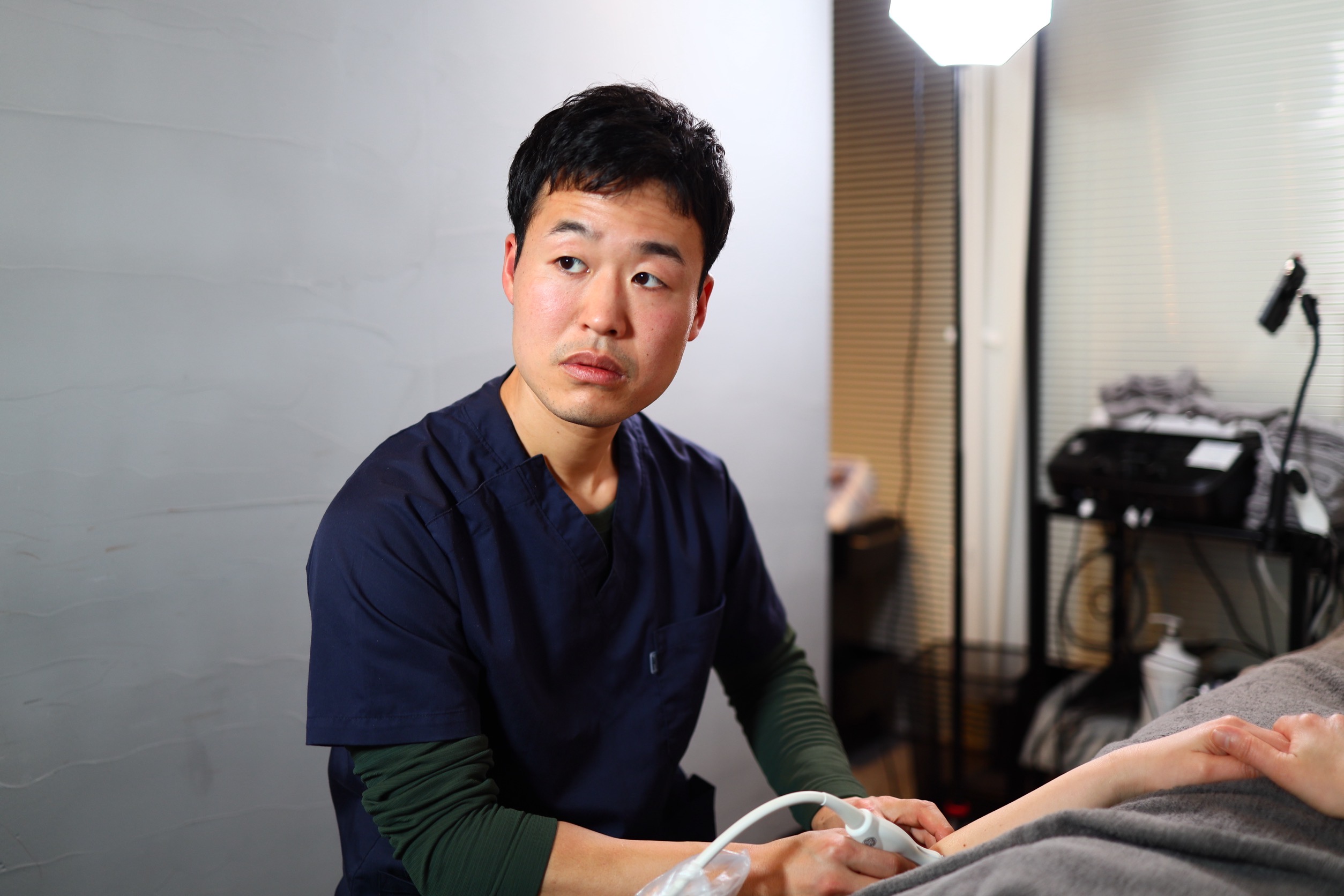
nWritten by Hidekazu Kuwabara, Registered Physiotherapist (BIG-registered, Amsterdam)
Hidekazu has over 10 years of clinical experience in physiotherapy and acupuncture. He specialises in musculoskeletal pain, sports injuries, and integrative East-West medicine at Alter Physio & Acupuncture, Amsterdam.
Disclaimer: This article is for informational purposes only and does not constitute medical advice. Always consult a qualified healthcare professional before making decisions about your health or treatment.
Related Articles
- Padel Elbow Treatment in Amsterdam: The New Tennis Elbow
- How to Prevent Running Injuries: A Physiotherapist’s Guide for Amsterdam Runners
- Cycling Knee Pain in Amsterdam: Bike-Fit and Patellofemoral Solutions
Written by Hidekazu Kuwabara, Registered Physiotherapist (BIG-registered, Amsterdam)
Hidekazu has over 10 years of clinical experience in physiotherapy and acupuncture. He specialises in musculoskeletal pain, sports injuries, and integrative East-West medicine at Alter Physio & Acupuncture, Amsterdam.
Disclaimer: This article is for informational purposes only and does not constitute medical advice. Always consult a qualified healthcare professional before making decisions about your health or treatment.


