



You reach down to lift your baby from the cot, and a sharp pain shoots through your thumb and wrist. Suddenly, everyday tasks like nursing, buttoning a onesie, or even holding a coffee cup become painful. This is the classic story of De Quervain’s tenosynovitis, often called “Mommy Thumb.”
Moreover, this condition is remarkably common in new mothers. In fact, effective De Quervain mother treatment combines load management, splinting, and targeted therapy. At AlterPhysio Amsterdam, we treat this complaint weekly during the postnatal year.
The Lifting-Baby Trigger
Most mothers develop wrist pain within the first three months postpartum. Typically, the trigger is the “thumb-out” scoop grip used to lift a baby from a flat surface. Consequently, the thumb extends sideways while bearing the baby’s weight repeatedly.
This grip places enormous repetitive load on two specific tendons: the abductor pollicis longus (APL) and extensor pollicis brevis (EPB). Furthermore, daily feedings, nappy changes, and rocking can mean 200+ thumb-loaded lifts per day. As a result, the tendons become inflamed and swollen.
Therefore, the issue is not weakness. Rather, it’s overload combined with hormonal and biomechanical factors unique to the postnatal period.
The Anatomy in One Minute
The APL and EPB tendons run together through a narrow tunnel on the thumb side of your wrist. This tunnel, called the first extensor compartment, is lined with a thin sheath. When the tendons swell from overuse, they no longer glide smoothly through this sheath.
Subsequently, friction creates inflammation, thickening, and pain with every thumb movement. Essentially, this is tenosynovitis: inflammation of the tendon sheath itself, not just the tendon. For a broader overview of wrist conditions, see our hand and elbow pain page.
The Finkelstein Self-Check
You can perform a simple self-test at home. First, make a fist with your thumb tucked inside your fingers. Then, gently tilt your wrist downward toward your little finger, as if pouring from a jug.
If sharp pain appears along the thumb side of your wrist, the Finkelstein test is positive. Notably, this strongly suggests De Quervain’s tenosynovitis. However, the test can also be uncomfortable for other thumb tendon issues, so a proper assessment matters.
Importantly, if you also feel numbness or tingling in the fingers, the cause may be different. In that case, please read about carpal tunnel syndrome, which affects different nerves and tendons.
Why Mothers Are Especially Vulnerable
De Quervain’s is significantly more common in postnatal women than in any other group. Several factors create this “perfect storm” of vulnerability. Firstly, pregnancy and breastfeeding hormones (relaxin and progesterone) loosen connective tissue throughout the body.
Although this softening helps the pelvis during birth, it also affects tendon sheaths in the wrist. Secondly, fluid retention during late pregnancy narrows the first extensor compartment further. Thirdly, sleep deprivation slows tissue recovery between feeds.
Finally, the repetitive thumb-loaded grip used in lifting, feeding, and supporting a growing baby’s head provides the mechanical trigger. Together, these factors explain why even fit, active mothers develop this painful condition.
De Quervain Mother Treatment: Step One Is Load Modification
You cannot stop caring for your baby, but you can change how you lift. Instead of scooping with thumbs out, slide your hands under your baby with palms flat and fingers spread wide. Then lift using your forearms and elbows close to your body.
Additionally, vary your carries throughout the day. For instance, use a sling, hip carry, or forearm cradle rather than always gripping with the thumb. Moreover, try to bottle-feed or breastfeed with pillow support so your wrist stays neutral, not bent.
Splinting: Rest the Tendons, Not the Mother
A thumb spica splint immobilises the thumb and wrist while leaving the fingers free. This allows the inflamed tendons to settle without putting your whole life on hold. Generally, we recommend wearing it during peak load activities and overnight for the first 2-3 weeks.
However, full-time splinting weakens muscles. Therefore, we gradually reduce splint use as symptoms improve. Off-the-shelf splints work well, but a custom-fitted version offers better comfort for long days of childcare.
Eccentric Loading and Manual Therapy
Once acute pain settles, controlled loading rebuilds tendon capacity. Eccentric exercises, where the tendon lengthens under load, stimulate healthy collagen repair. For example, slow thumb-down movements against light resistance from a rubber band work very effectively.
In addition, hands-on therapy reduces sheath stiffness and improves tendon glide. Your physiotherapist may also address shoulder and neck tension, since many mothers brace their shoulders while feeding. Consequently, treating the whole upper limb often speeds recovery.
Acupuncture for Inflammation and Nervous System Reset
Persistent wrist pain has two layers: local inflammation and a sensitised nervous system. Acupuncture addresses both. Locally, needling around the first extensor compartment reduces tendon swelling and improves blood flow.
Systemically, acupuncture calms an overstimulated nervous system, which is common in sleep-deprived parents. Many mothers report better sleep and lower overall pain sensitivity within 3-4 sessions. Furthermore, acupuncture is safe during breastfeeding, which makes it especially attractive postpartum.
Recovery Timeline: What to Expect
Recovery typically takes 4 to 12 weeks with conservative care. Most mothers feel significant relief within 2-3 weeks of starting splinting and load modification. Then, full strength and pain-free lifting usually return by week 8-12.
However, recovery is rarely linear. Flare-ups happen, especially during growth spurts or teething phases when babies are heavier and harder to settle. Therefore, expect occasional setbacks and respond early with rest and splinting rather than pushing through.
Corticosteroid Injection: When and Why
If 6-8 weeks of hands-on therapy fail to improve symptoms, a corticosteroid injection into the tendon sheath may help. Generally, one injection resolves symptoms in around 70% of cases. Two injections may be considered if needed, but more than that risks tendon damage.
That said, injection alone rarely solves the underlying problem. Without load modification and tendon rehabilitation, symptoms often return. Consequently, we recommend combining injection with continued physiotherapy for the most durable result.
Preventing De Quervain’s with Your Next Baby
If you have suffered with one child, you are more likely to develop it again. However, prevention is very achievable. Firstly, learn the palm-flat lifting technique before your second baby arrives. Secondly, build thumb and grip strength gently in late pregnancy.
Moreover, plan your feeding setup with neutral wrist positioning in mind. Use slings, V-shaped pillows, and varied carrying positions from day one. Finally, address any lingering shoulder or neck tension before delivery, because compensation patterns travel down the arm.
When to Get Help
If your thumb-side wrist pain has lasted more than two weeks, do not wait. Early treatment is dramatically more effective than late treatment. Furthermore, untreated De Quervain’s can become chronic and harder to resolve.
At AlterPhysio Amsterdam, we offer combined physiotherapy and acupuncture care designed specifically for postnatal mothers. Contact us to book an assessment and start your recovery. Your hands deserve to feel strong again, especially during these precious early months.
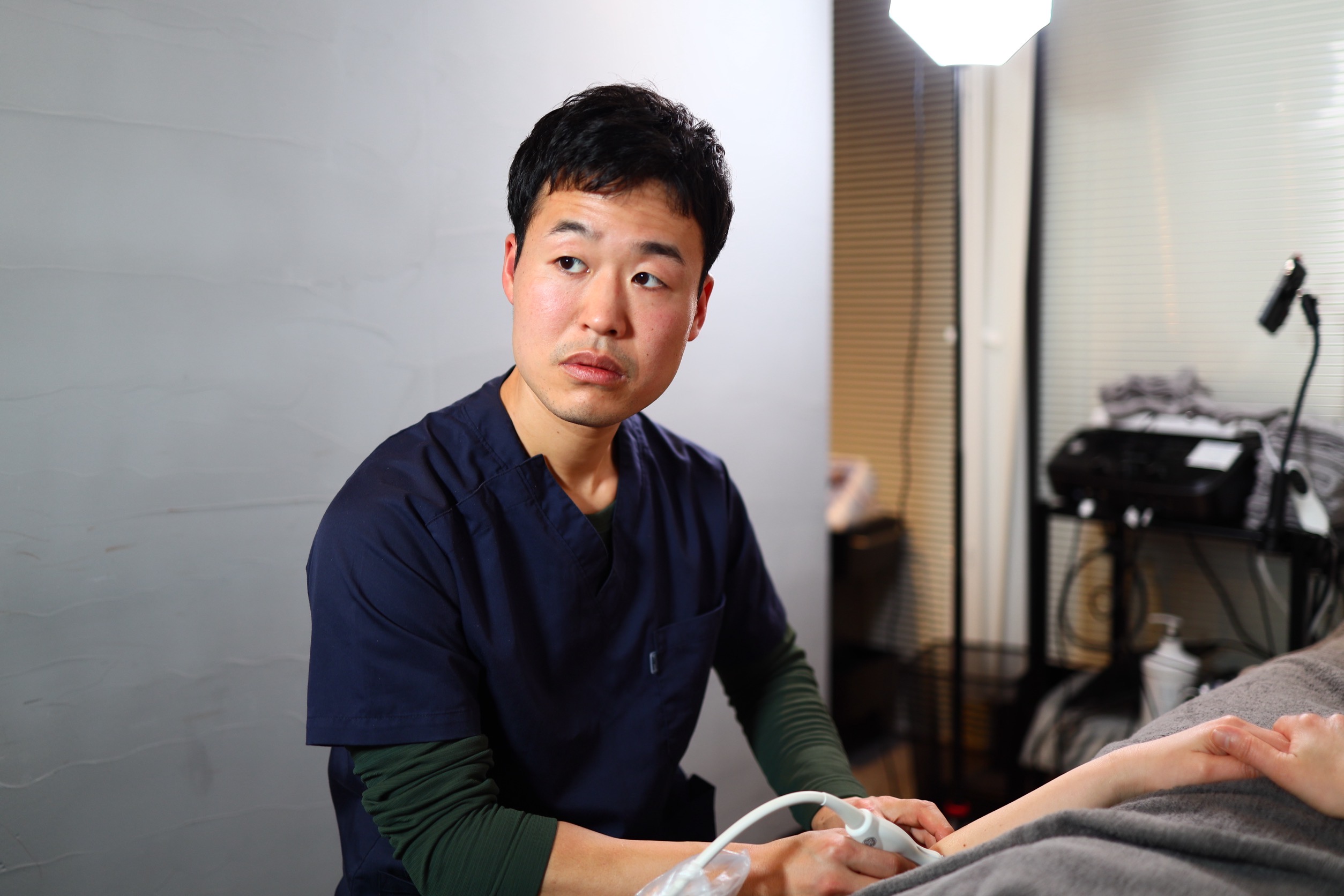
nWritten by Hidekazu Kuwabara, Registered Physiotherapist (BIG-registered, Amsterdam)
Hidekazu has over 10 years of clinical experience in physiotherapy and acupuncture. He specialises in musculoskeletal pain, sports injuries, and integrative East-West medicine at Alter Physio & Acupuncture, Amsterdam.
Disclaimer: This article is for informational purposes only and does not constitute medical advice. Always consult a qualified healthcare professional before making decisions about your health or treatment.
Related Articles
- Carpal Tunnel Syndrome Amsterdam: Relief for Hand and Wrist Pain
- Pelvic Girdle Pain During Pregnancy: Physio That Actually Helps
- Fibromyalgia Treatment Amsterdam: Managing Widespread Pain
Written by Hidekazu Kuwabara, Registered Physiotherapist (BIG-registered, Amsterdam)
Hidekazu has over 10 years of clinical experience in physiotherapy and acupuncture. He specialises in musculoskeletal pain, sports injuries, and integrative East-West medicine at Alter Physio & Acupuncture, Amsterdam.
Disclaimer: This article is for informational purposes only and does not constitute medical advice. Always consult a qualified healthcare professional before making decisions about your health or treatment.

