


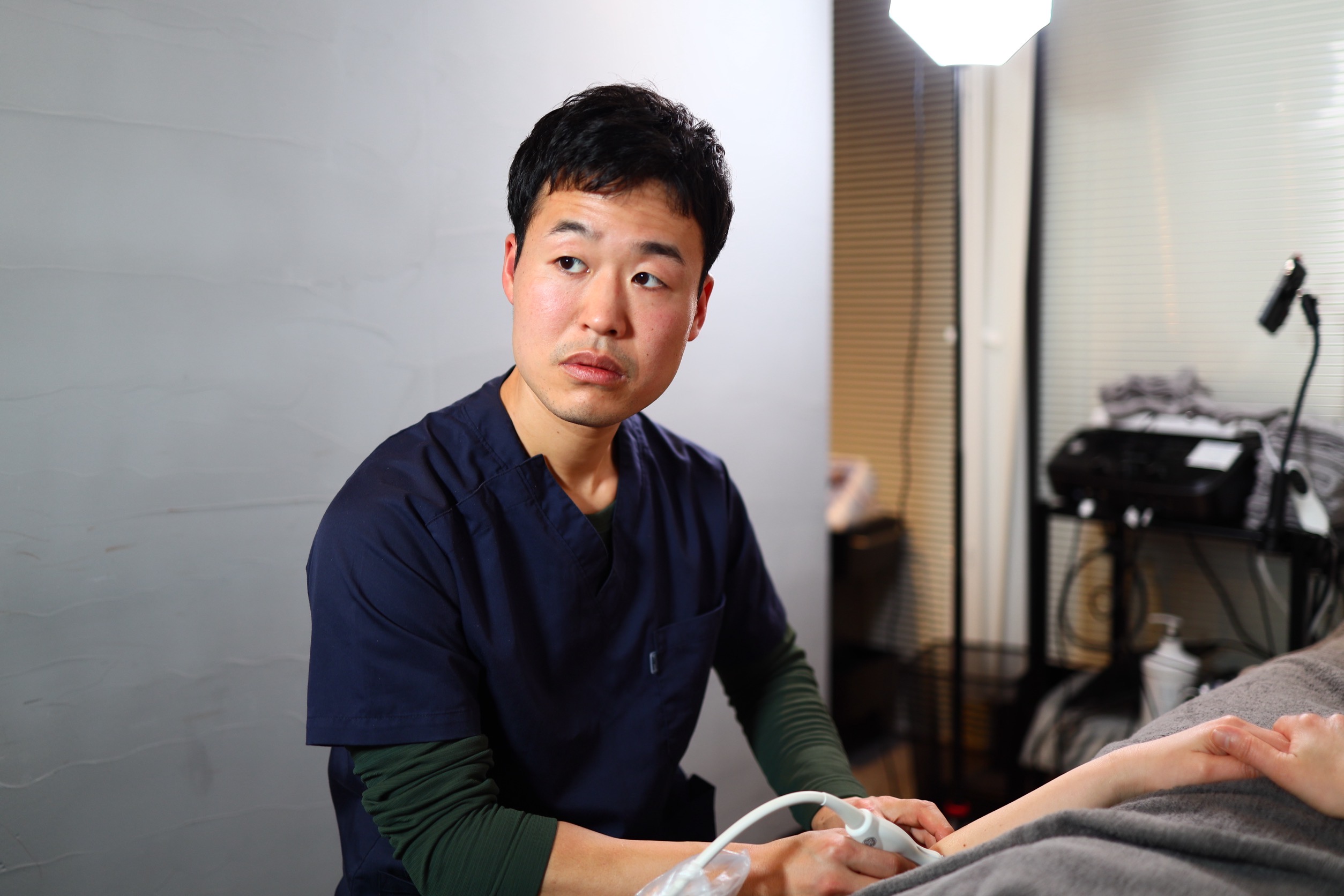

Burning, tingling, or shooting pain on the inner ankle and into the sole often points to tarsal tunnel syndrome. Furthermore, this nerve-compression problem mirrors carpal tunnel in the wrist. Many patients walk for years with the wrong diagnosis.
At our Amsterdam clinic we see this in runners, retail staff, and long-haul cabin crew. Therefore, root-cause physiotherapy combined with acupuncture frequently resolves symptoms. This article explains the condition clearly.
What Is the Tarsal Tunnel
The tarsal tunnel is a fibrous canal behind the medial malleolus. Specifically, the posterior tibial nerve passes through it, along with three tendons and blood vessels. Pressure inside the tunnel irritates the nerve.
Symptoms therefore appear along the path of the tibial nerve. Consequently, patients feel altered sensation in the heel, arch, and toes. Pain often worsens with prolonged standing.
Typical Symptoms
Common complaints include burning under the arch, tingling toes, and night pain. Moreover, walking on uneven ground feels unstable. Some patients report a feeling of “walking on pebbles.”
Tapping behind the inner ankle often reproduces electric-shock sensations. This is called a positive Tinel sign. Additionally, prolonged dorsiflexion-eversion increases symptoms.
Common Causes
Flat feet, ankle sprains, and bone spurs reduce tunnel space. Furthermore, varicose veins, ganglion cysts, and accessory muscles compress the nerve. Diabetes and hypothyroidism predispose patients to nerve sensitivity.
Sudden mileage increases in runners often expose latent cases. Therefore, training load is always part of our assessment. Footwear changes and pregnancy can also trigger symptoms.
How We Diagnose Tarsal Tunnel
Clinical examination is the starting point. Specifically, we test sensation across heel, arch, and toes. Tinel’s sign, dorsiflexion-eversion test, and palpation guide the diagnosis.
Nerve conduction studies confirm difficult cases. Moreover, ultrasound or MRI rules out cysts, varicose veins, or accessory soleus. We refer for imaging only when red flags appear.
Conservative Treatment First
Most cases improve without surgery. Therefore, we always start with conservative care. The first six weeks focus on offloading, mobility, and nerve glide.
We address arch support, gait, and calf flexibility together. Read about our wider approach on the physiotherapy page. Conservative care succeeds in roughly 70 percent of patients.
Footwear and Orthotics
Supportive shoes with medial posting often calm symptoms quickly. Additionally, custom orthotics can reduce excessive pronation. We work with local podotherapeuten when shoes alone fail.
Avoid completely flat sandals during recovery. Furthermore, replace running shoes worn beyond 600 kilometres. Small footwear tweaks usually deliver large symptom relief.
Manual Therapy and Nerve Gliding
Soft-tissue work around the medial ankle releases the flexor retinaculum. Moreover, joint mobilisation of the subtalar and talocrural joints improves alignment. Patients usually feel calmer ankles after two sessions.
Tibial nerve sliders and tensioners restore normal nerve glide. Consequently, the nerve tolerates daily activity better. We progress to load-bearing nerve work as symptoms ease.
Strength and Control
Tibialis posterior and intrinsic foot strengthening build longitudinal arch support. Therefore, the tunnel stays open during gait. Single-leg balance and calf raises are foundational.
Hip control also matters because the entire lower-limb chain influences foot mechanics. Additionally, gluteus medius work reduces compensatory pronation. Two to three sessions per week deliver measurable change.
Acupuncture for Nerve Compression
Japanese-style acupuncture pairs well with manual therapy. Specifically, fine needling around the tunnel reduces inflammation and calms sensory hyperexcitability. Most patients notice less burning after two sessions.
We needle local foot points, segmental lumbar points, and constitutional points. Furthermore, electroacupuncture supports stubborn cases. Read more on the acupuncture page.
Integrated Care Plan
Combining physio with acupuncture shortens recovery in our experience. Therefore, we offer integrated sessions described on the integrated care page. Costs are listed on the pricing page.
Expats can access direct billing or self-pay options. Moreover, the expat physio page outlines insurance reimbursement clearly.
Activity Modification
Reduce running mileage by 30 to 50 percent during the acute phase. Additionally, swap one run per week for cycling or swimming. This keeps cardio while offloading the nerve.
Standing professionals benefit from anti-fatigue mats. Furthermore, frequent micro-breaks reduce sustained pressure on the tunnel. Plan rest minutes the way you plan training minutes.
When Surgery Is Considered
Surgical release is reserved for refractory cases with clear structural cause. Therefore, we refer only after six months of structured conservative care. Success rates depend strongly on accurate diagnosis.
Post-surgical rehabilitation lasts three to four months. Moreover, gradual return-to-run protocols are essential. We guide post-operative patients through the full reload sequence.
Realistic Recovery Timeline
Mild cases improve in four to six weeks. Moderate cases take three to four months. Therefore, patience and consistency matter more than aggressive treatment.
Track symptoms with a daily 0 to 10 burning score and weekly step count. Consequently, both you and the therapist can see progress. Re-evaluation every fourth session keeps the plan accurate.
Preventing Recurrence
Maintain foot and hip strength year-round. Furthermore, manage training load with the 10 percent rule. Replace shoes regularly and check arch support.
Address diabetes, thyroid, and weight factors when present. Moreover, regular acupuncture maintenance keeps soft-tissue irritability low. See the FAQ for more.
Final Thoughts
Tarsal tunnel syndrome is uncomfortable but treatable. Therefore, do not normalise burning feet or night tingling. Early conservative care usually resolves the issue.
Reach out via the contact page to book an assessment. Our team will explain every step clearly and calmly.
nWritten by Hidekazu Kuwabara, Registered Physiotherapist (BIG-registered, Amsterdam)
Hidekazu has over 10 years of clinical experience in physiotherapy and acupuncture. He specialises in musculoskeletal pain, sports injuries, and integrative East-West medicine at Alter Physio & Acupuncture, Amsterdam.
Disclaimer: This article is for informational purposes only and does not constitute medical advice. Always consult a qualified healthcare professional before making decisions about your health or treatment.
Related Articles
- Carpal Tunnel Syndrome Amsterdam: Relief for Hand and Wrist Pain
- Piriformis Syndrome vs True Sciatica: How a Physio Tells Them Apart
- Pregnancy Sciatica: Safe Treatment in Each Trimester in Amsterdam
Written by Hidekazu Kuwabara, Registered Physiotherapist (BIG-registered, Amsterdam)
Hidekazu has over 10 years of clinical experience in physiotherapy and acupuncture. He specialises in musculoskeletal pain, sports injuries, and integrative East-West medicine at Alter Physio & Acupuncture, Amsterdam.
Disclaimer: This article is for informational purposes only and does not constitute medical advice. Always consult a qualified healthcare professional before making decisions about your health or treatment.


