


Rotator Cuff Treatment Amsterdam: What You Need to Know
Shoulder pain that won’t quit often points to a rotator cuff problem. At AlterPhysio, rotator cuff treatment Amsterdam is a core part of our practice.
The rotator cuff consists of four muscles surrounding your shoulder joint. They control rotation and keep the ball firmly in the socket.
Who Gets Rotator Cuff Injuries?
Swimmers, overhead athletes, and older adults are most at risk. Repetitive lifting and throwing movements strain these muscles over time.
In addition, desk workers with poor posture often develop gradual tendinopathy. Small daily stresses accumulate into significant shoulder dysfunction.
Types of Rotator Cuff Injuries We Treat
Rotator cuff injuries range from mild tendinopathy to full-thickness tears. Your physiotherapist will assess which structure is involved.
Tendinopathy vs Tear: Key Differences
Tendinopathy involves degeneration of the tendon tissue without a full rupture. Pain typically appears with overhead activity and eases with rest.
Moreover, partial or full tears cause sudden weakness and sharp pain. Night pain and difficulty lifting the arm are common warning signs.
How a Physio Diagnoses Your Shoulder
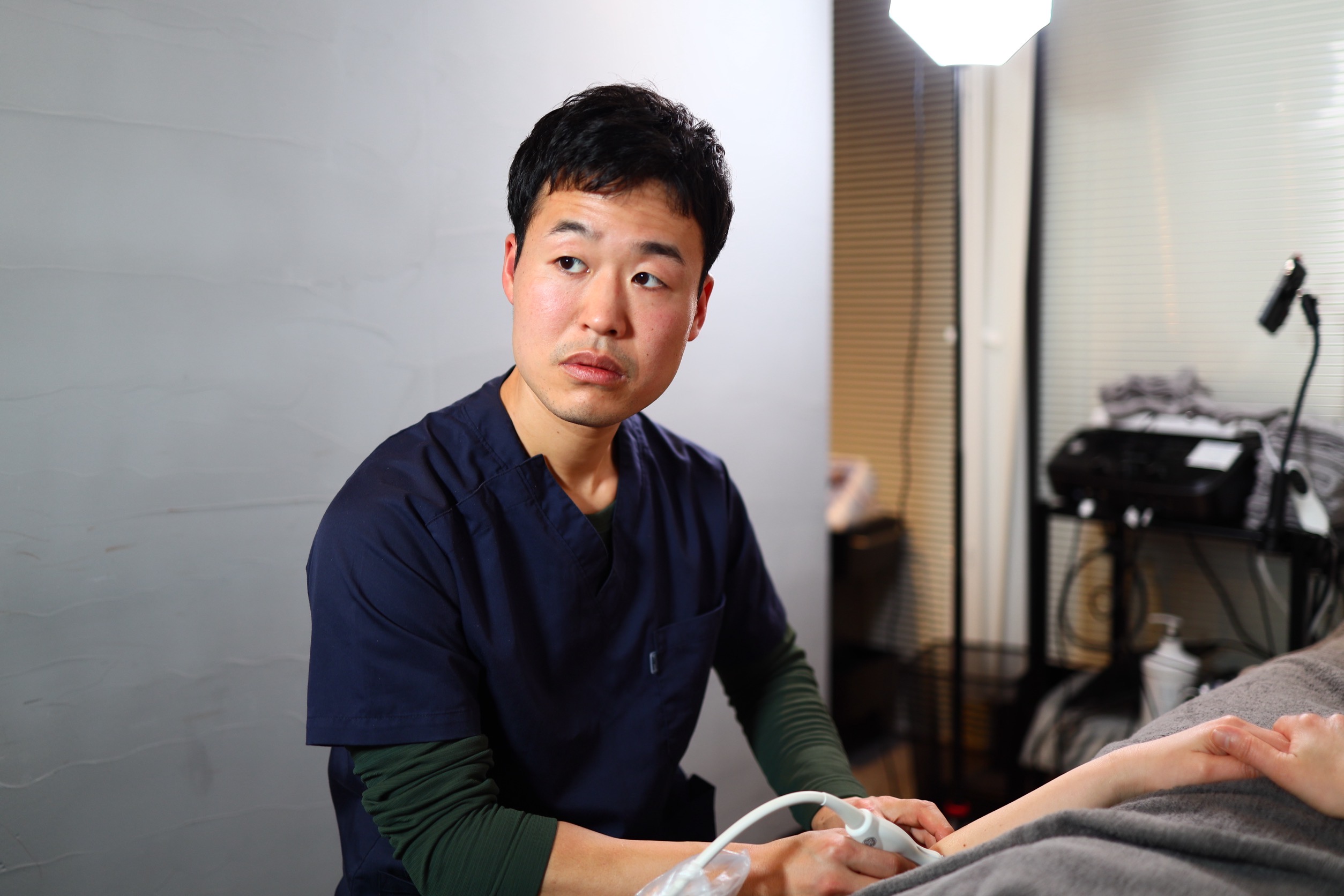
Your physio uses orthopaedic tests to identify which tendon or muscle is affected. These hands-on tests guide the entire treatment plan.
Strength testing and range-of-motion assessment reveal the full picture. We refer for ultrasound or MRI when a tear is suspected.
Acupuncture as a Diagnostic and Treatment Tool
Furthermore, acupuncture helps reduce local inflammation and muscle guarding early in recovery. This allows more effective manual therapy and exercise.
Japanese acupuncture techniques target specific trigger points around the shoulder. Patients often report immediate relief in shoulder mobility after treatment.
Physiotherapy Treatment for Rotator Cuff Recovery
Active rehabilitation is the cornerstone of rotator cuff recovery. Your physio designs a progressive loading programme specific to your injury.
Early phases focus on pain control and restoring movement. Later phases target strength, stability, and return to sport or work.
Exercises That Actually Rebuild the Cuff
Additionally, external rotation and scapular control exercises form the foundation. These movements directly load the supraspinatus, infraspinatus, and teres minor.
We progress from resistance bands to functional overhead loading. Each stage prepares the shoulder for real-life demands.
Recovery Timeline: What to Expect
Tendinopathy typically improves within six to twelve weeks of consistent treatment. Partial tears may take three to six months to fully rehabilitate.
Therefore, early intervention shortens recovery significantly. Waiting too long allows compensatory patterns to develop and complicates treatment.
When Surgery Is and Isn’t Necessary
Most rotator cuff injuries respond well to physiotherapy alone. Surgery is rarely the first step, even for partial tears.
Full-thickness tears in active patients may require surgical review. We coordinate closely with orthopaedic specialists when needed.
Book Your Rotator Cuff Assessment at AlterPhysio Amsterdam
Our team combines physiotherapy and acupuncture for faster, more complete shoulder recovery. We treat you as an athlete or active person, not just a diagnosis.
Notably, AlterPhysio Amsterdam accepts most Dutch supplementary insurance plans. Book your assessment today and start moving without pain.
nWritten by Hidekazu Kuwabara, Registered Physiotherapist (BIG-registered, Amsterdam)
Hidekazu has over 10 years of clinical experience in physiotherapy and acupuncture. He specialises in musculoskeletal pain, sports injuries, and integrative East-West medicine at Alter Physio & Acupuncture, Amsterdam.
Disclaimer: This article is for informational purposes only and does not constitute medical advice. Always consult a qualified healthcare professional before making decisions about your health or treatment.
Related Articles
- Frozen Shoulder Treatment Amsterdam: Recover Without Surgery
- Sports Injury Prevention with Physiotherapy in Amsterdam
- The Secret to Harnessing Recovery and Performance Through Diaphragmatic Breathing
Written by Hidekazu Kuwabara, Registered Physiotherapist (BIG-registered, Amsterdam)
Hidekazu has over 10 years of clinical experience in physiotherapy and acupuncture. He specialises in musculoskeletal pain, sports injuries, and integrative East-West medicine at Alter Physio & Acupuncture, Amsterdam.
Disclaimer: This article is for informational purposes only and does not constitute medical advice. Always consult a qualified healthcare professional before making decisions about your health or treatment.
Written by Hidekazu Kuwabara, Registered Physiotherapist (BIG-registered, Amsterdam)
Hidekazu has over 10 years of clinical experience in physiotherapy and acupuncture. He specialises in musculoskeletal pain, sports injuries, and integrative East-West medicine at Alter Physio & Acupuncture, Amsterdam.
Disclaimer: This article is for informational purposes only and does not constitute medical advice. Always consult a qualified healthcare professional before making decisions about your health or treatment.

