


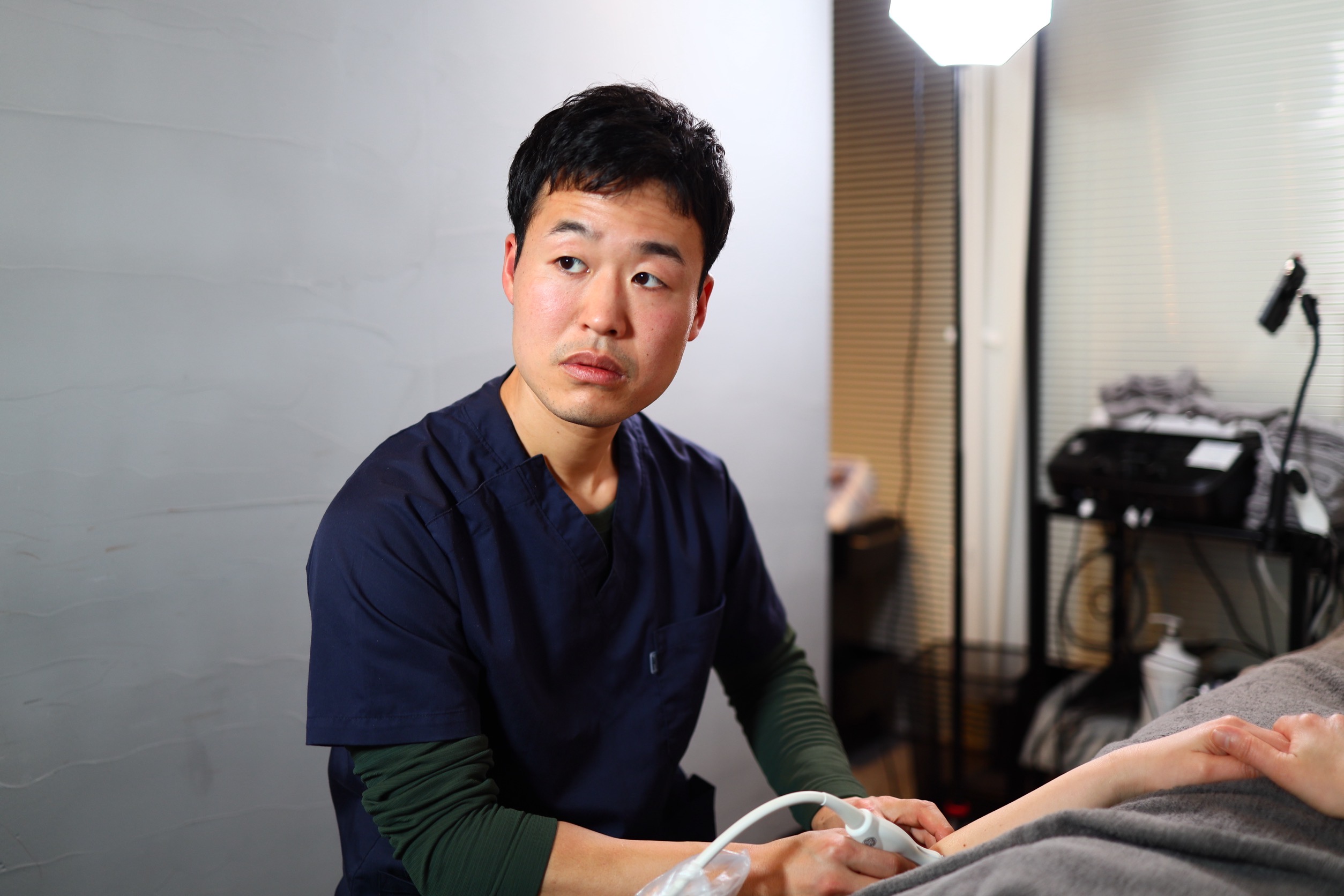

You arrive at the huisarts with sharp back pain, hoping for answers. Ten minutes later, you walk out with a paracetamol recommendation and a polite suggestion to wait six weeks.
For many expats in Amsterdam, this is a confusing first encounter with Dutch GP pain management. The approach feels minimal compared to the immediate scans or referrals common in the UK, US, or Asia.
However, the Dutch system is not ignoring you. It is following a national protocol designed to protect both your body and the healthcare budget.
Furthermore, there is a faster route to care that most newcomers do not know about. You can access physiotherapy directly, without a GP referral at all.
Understanding the Dutch Wait-and-See Protocol
Dutch general practice follows national guidelines called NHG-richtlijnen. These protocols recommend conservative care for most musculoskeletal complaints during the first six weeks.
Moreover, the guidelines reflect strong evidence. Acute back, neck, and shoulder pain often resolves on its own when given time, rest, and gentle movement.
What “Watchful Waiting” Actually Means
Watchful waiting is not the same as doing nothing. The huisarts expects you to stay active, manage pain with paracetamol, and return if symptoms worsen.
In addition, the GP screens for red flags such as nerve damage, fever, or unexplained weight loss. If none appear, the protocol assumes natural recovery is likely.
Why This Approach Conserves Resources
The Dutch system is built around proportionate care. Scans and specialist referrals are reserved for cases where they will change the treatment plan.
Therefore, early MRIs are avoided for typical back pain. Research shows they often find harmless age-related changes that increase anxiety without improving outcomes.
As a result, the system keeps costs low and reduces unnecessary interventions. The trade-off is that patients sometimes feel unheard during the first visit.
Why Expats Often Feel Frustrated
If you are used to the UK, US, Australian, or Asian systems, the contrast can be jarring. Many expats expect imaging, physiotherapy referrals, or anti-inflammatories on the first visit.
However, the Dutch GP rarely offers any of these immediately. The cultural gap creates a sense that the system is dismissive, even when it is not.
Different Systems, Different Defaults
In the US, fee-for-service incentives reward more tests and faster referrals. In the UK, NHS pressure often pushes early physiotherapy as a way to ease GP workload.
Moreover, many Asian healthcare systems emphasise hands-on treatment from the first day. None of these defaults match the Dutch preference for patience and self-management.
The Language Layer
Communication also plays a role. Even when GPs explain the reasoning, nuance is easily lost in a short ten-minute consultation in a second language.
In addition, expats often feel rushed and unsure what to ask next. The advice to “wait and see” can sound passive without the surrounding context.
When Watchful Waiting Is the Right Choice
The protocol is genuinely well suited to many common complaints. Most acute pain episodes settle within four to six weeks when activity is maintained.
Acute, Uncomplicated Episodes
A sudden episode of back stiffness after lifting often resolves on its own. The tissues recover, and movement gradually returns to normal.
Furthermore, mild neck tension after a long flight or stressful week usually follows the same pattern. Paracetamol and gentle activity can be enough.
Early Shoulder Irritation
New shoulder pain without trauma can settle with relative rest. The shoulder joint responds well to a few weeks of modified activity.
Therefore, jumping into aggressive treatment is rarely needed at this stage. The body simply needs space to recover.
When the Protocol Misses the Mark
However, watchful waiting is not the right answer for every case. Several situations call for active treatment from the start.
Recurring or Chronic Pain
If you have already waited weeks or had repeated flare-ups, more waiting rarely helps. Recurring pain usually points to a movement, strength, or load problem that needs addressing.
Moreover, untreated chronic pain often worsens over time. Avoidance patterns develop, and the nervous system becomes more sensitive.
Athletes and Active Professionals
Active people lose conditioning quickly during forced rest. Six weeks of avoidance can set back training plans and prolong recovery.
In addition, sport-specific demands rarely improve with passive waiting. Targeted rehabilitation gets athletes back to performance faster.
Work-Limiting Pain
If pain prevents you from working, sleeping, or caring for your family, six weeks of waiting is a significant cost. Early physiotherapy can shorten this period considerably.
Furthermore, prolonged inactivity at work increases stress and reduces overall recovery. Early intervention protects both physical and mental wellbeing.
The Direct Route: Physio Without a GP
Most expats are surprised to learn that the Netherlands offers Direct Toegankelijkheid Fysiotherapie, or DTF. This means you can book a physiotherapy appointment without a GP referral.
Moreover, the physiotherapist performs their own screening assessment. This covers the same red flags a GP would check, plus a detailed movement evaluation.
How DTF Works in Practice
You simply contact the clinic and book a first appointment. No huisarts visit, no waiting list, no referral letter.
In addition, most Dutch insurance plans cover physiotherapy through aanvullende zorgverzekering. Learn more in our detailed guide to DTF direct access physiotherapy in Amsterdam.
What the First Session Includes
The intake covers your history, your symptoms, and your goals. We then perform a hands-on movement assessment to identify the real driver of your pain.
Therefore, you leave with a clear diagnosis and a treatment plan, often within the same visit. This contrasts sharply with the open-ended advice of watchful waiting.
Where Acupuncture Fits In
Acupuncture is another option that does not require a GP referral. It can be especially helpful when pain has a strong stress or nervous-system component.
As a First-Line Option
For tension headaches, jaw clenching, and stress-driven neck pain, acupuncture works well as a starting point. It calms the system that keeps muscles tight.
Furthermore, patients often feel meaningful relief within two or three sessions. Our acupuncture services integrate Japanese and Chinese techniques tailored to your case.
As an Adjunct to Physiotherapy
For deeper musculoskeletal issues, acupuncture pairs well with hands-on physio. The two methods cover different layers of the same problem.
Moreover, the combination accelerates recovery for chronic back, shoulder, and neck pain. You get muscular release alongside structural rehabilitation.
How AlterPhysio Supports Expats in Amsterdam
AlterPhysio is built around the international community in Amsterdam. Our team speaks English fluently and understands the cultural expectations expats bring with them.
Same-Week Appointments
We offer same-week intake appointments for new patients in pain. You do not need to wait weeks for assessment or treatment.
In addition, follow-up sessions are scheduled around your work and family commitments. Flexible booking matters when pain affects daily life.
English-Led Intake
The first session is led in English with clear, jargon-free explanations. We make sure you understand your diagnosis and your plan before you leave.
Therefore, you leave informed and confident about the next steps. Read more about our approach to expat physiotherapy in Amsterdam.
Coordinated Care When Needed
When imaging or specialist input is genuinely required, we coordinate directly with your huisarts. This respects the Dutch system while ensuring you get appropriate care.
Moreover, we share clear progress reports with referring doctors when relevant. The result is integrated care rather than fragmented advice.
Practical Steps for Your Next Visit
If you do see the huisarts first, a few small habits help you get more from the visit. Preparation often changes the outcome of a short consultation.
Describe Function, Not Just Pain
Explain what you cannot do, not only how much it hurts. The GP responds more clearly when the impact on daily life is concrete.
Moreover, mention work tasks, sport, and sleep specifically. These details help the huisarts judge whether watchful waiting truly fits your case.
Ask About Physiotherapy Directly
You can ask whether physiotherapy is appropriate now rather than later. Many GPs are happy to support early referral when the patient requests it.
In addition, you can mention that you plan to use DTF directly. Most huisartsen view this as a sensible parallel step, not a conflict.
Track Symptoms Between Visits
Keep a brief log of pain intensity, triggers, and limitations. A simple note on your phone is enough to spot patterns quickly.
Furthermore, this record helps any clinician you see, whether GP or physiotherapist. Concrete data shortens the path to a useful plan.
Making an Informed Choice
The Dutch wait-and-see protocol is not wrong, but it is not always right for your situation. Knowing both options gives you control over your recovery.
Furthermore, the choice is rarely all or nothing. Many patients use paracetamol for short-term relief while starting physiotherapy in parallel.
In addition, your huisarts remains an essential partner for general health, prescriptions, and red-flag screening. Direct physiotherapy access simply adds another tool to your kit.
Therefore, if six weeks of waiting feels too long for your situation, you have a faster path. Explore our full physiotherapy services to see how we can help.
Book Your Same-Week Appointment
Smart Dutch GP pain management means knowing when to wait and when to act. AlterPhysio gives you the faster route when your situation calls for it.
Therefore, if pain is affecting your work, sleep, or training, reach out today. Visit our contact page to book your English-led intake in Amsterdam.
nWritten by Hidekazu Kuwabara, Registered Physiotherapist (BIG-registered, Amsterdam)
Hidekazu has over 10 years of clinical experience in physiotherapy and acupuncture. He specialises in musculoskeletal pain, sports injuries, and integrative East-West medicine at Alter Physio & Acupuncture, Amsterdam.
Disclaimer: This article is for informational purposes only and does not constitute medical advice. Always consult a qualified healthcare professional before making decisions about your health or treatment.
