


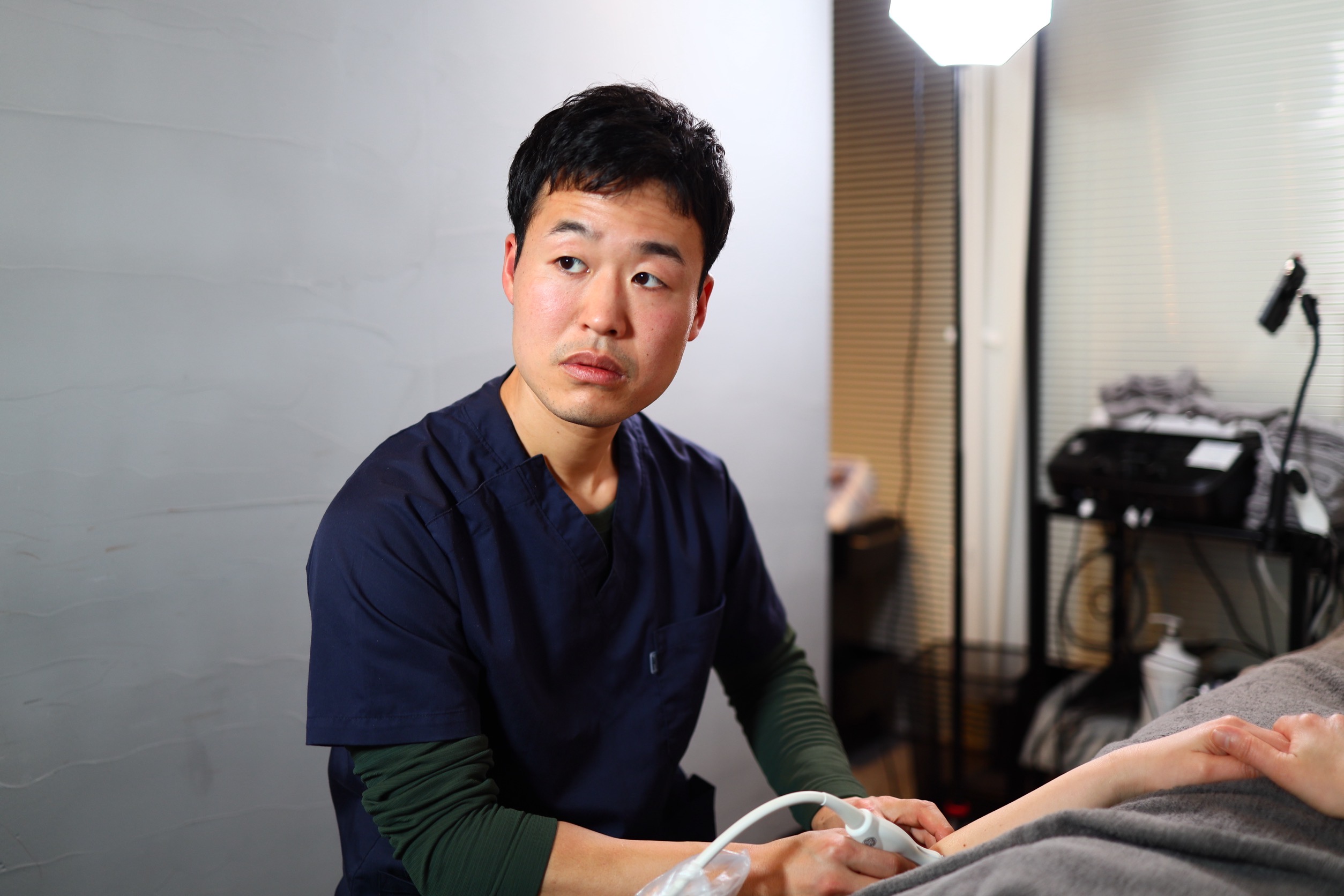

In most cases, you do not need a GP referral to start physiotherapy in the Netherlands. Since 2006, Dutch law allows direct access to physiotherapists through a system called DTF.
However, some specific conditions still require a referral for insurance reimbursement. Therefore, the answer depends on your complaint, your insurance policy, and whether you have chronic indications.
What Is DTF (Directe Toegang Fysiotherapie)?
DTF stands for Directe Toegang Fysiotherapie, which translates to direct access physiotherapy. Moreover, this law was introduced in the Netherlands in January 2006.
The goal was simple. In addition, the Dutch government wanted to reduce pressure on general practitioners. Therefore, patients can now contact a physiotherapist directly for most musculoskeletal complaints.
How Direct Access Works in Practice
When you book without a referral, your physiotherapist first performs a screening. This step is called the DTF screening or intake.
The screening checks whether physiotherapy is appropriate for your complaint. Furthermore, it flags any warning signs that need a doctor’s review. Therefore, this protects patient safety while skipping the GP queue.
If everything looks safe, treatment can begin in the same session. However, if the therapist finds red flags, you will be referred back to your GP.
Insurance Reimbursement: With or Without Referral
This part often confuses expats new to the Dutch system. Moreover, reimbursement depends on two things: your insurance package and your medical condition.
Basic Insurance (Basisverzekering)
The Dutch basic health insurance covers physiotherapy only in limited situations. Furthermore, it mainly covers chronic conditions listed on the official chronic indication list.
Examples include post-surgery rehabilitation, certain neurological conditions, and chronic back pain after twenty sessions. However, the first twenty sessions for chronic cases are paid out of pocket or via supplementary insurance.
Supplementary Insurance (Aanvullende Verzekering)
Most expats rely on supplementary insurance for physiotherapy coverage. In addition, these packages reimburse a set number of sessions per year.
Coverage ranges from six sessions to unlimited, depending on the package. Therefore, checking your policy before booking is essential. You can also review our pricing page for self-pay rates.
When You Still Need a GP Referral
Although DTF covers most situations, some exceptions remain. Moreover, these exceptions are tied to insurance rules rather than legal requirements.
Chronic Indication List
Conditions on the chronic list almost always require a medical referral. Furthermore, this referral can come from a GP or a medical specialist.
Examples include rheumatoid arthritis, multiple sclerosis, and post-stroke rehabilitation. In addition, the referral must specify the diagnosis for insurance approval.
Home Visits and Specific Insurers
Home-based physiotherapy usually needs a referral, regardless of insurance. Moreover, a few insurers still require referrals even for standard clinic visits.
Therefore, always check your policy document or call your insurer. For complex cases, our FAQ page covers common reimbursement questions.
Practical Steps for Expats in Amsterdam
Navigating Dutch healthcare as an expat can feel slow. However, physiotherapy is one of the easiest entry points into the system.
Step 1: Check Your Insurance Package
Open your insurance app or policy document. Furthermore, look for the section labeled fysiotherapie or physiotherapy under aanvullende dekking.
Note the number of covered sessions and the per-session reimbursement amount. Therefore, you will know exactly what to expect financially.
Step 2: Book Directly Without a GP Visit
For most complaints, you can skip the GP entirely. Moreover, this saves time and reduces administrative steps in the Dutch system.
You can request an appointment through our contact page or call directly. In addition, our team handles English communication, which removes the language barrier many expats face.
Step 3: Prepare for Your First Session
Bring your insurance card and a valid ID to the first appointment. Furthermore, write down a short history of your symptoms and any prior treatments.
The first session usually combines screening, assessment, and initial treatment. Therefore, expect it to last around 30 to 45 minutes.
Why Direct Access Matters for Expats
Many expats struggle to register with a Dutch GP quickly. Moreover, waiting lists in Amsterdam can stretch for weeks or months.
DTF removes that barrier for musculoskeletal complaints. In addition, it means an expat without a registered GP can still receive timely care for back pain, neck issues, or sports injuries.
For more details on expat-specific care, see our expat physiotherapy guide. Furthermore, our full service overview is available on the physiotherapy page.
Common Misunderstandings About Referrals
Expats often arrive expecting a referral-first system, like in the UK or Germany. However, the Dutch model intentionally separates legal access from insurance reimbursement.
Myth 1: No Referral Means No Reimbursement
This is incorrect for most standard cases. Moreover, supplementary insurance typically reimburses sessions regardless of referral status.
Myth 2: The GP Decides Your Treatment Plan
In the Dutch system, the physiotherapist designs and adjusts the treatment plan. Therefore, the GP referral, when needed, only confirms the medical indication.
Myth 3: Direct Access Means Lower Quality
Quality standards remain identical regardless of how you enter care. Furthermore, all registered physiotherapists in the Netherlands follow the same clinical guidelines.
Booking Physiotherapy at AlterPhysio
AlterPhysio is located in Buitenveldert, in Amsterdam Zuid. Moreover, the clinic is reachable by metro line 51 and several tram routes.
You can book without a GP referral for most complaints. In addition, the intake session includes the DTF screening, so no separate visit is required.
If you have a chronic indication or are unsure about insurance, ask during booking. Therefore, you can resolve coverage questions before the first session. Visit our contact page to schedule a visit.
Summary
For most expats in Amsterdam, no GP referral is needed before starting physiotherapy. However, chronic indications and certain insurance policies remain exceptions.
Check your insurance package, book directly, and bring your ID to the first session. Furthermore, the DTF screening at the start ensures clinical safety without GP involvement. For full pricing details, see the pricing page.
nWritten by Hidekazu Kuwabara, Registered Physiotherapist (BIG-registered, Amsterdam)
Hidekazu has over 10 years of clinical experience in physiotherapy and acupuncture. He specialises in musculoskeletal pain, sports injuries, and integrative East-West medicine at Alter Physio & Acupuncture, Amsterdam.
Disclaimer: This article is for informational purposes only and does not constitute medical advice. Always consult a qualified healthcare professional before making decisions about your health or treatment.
