


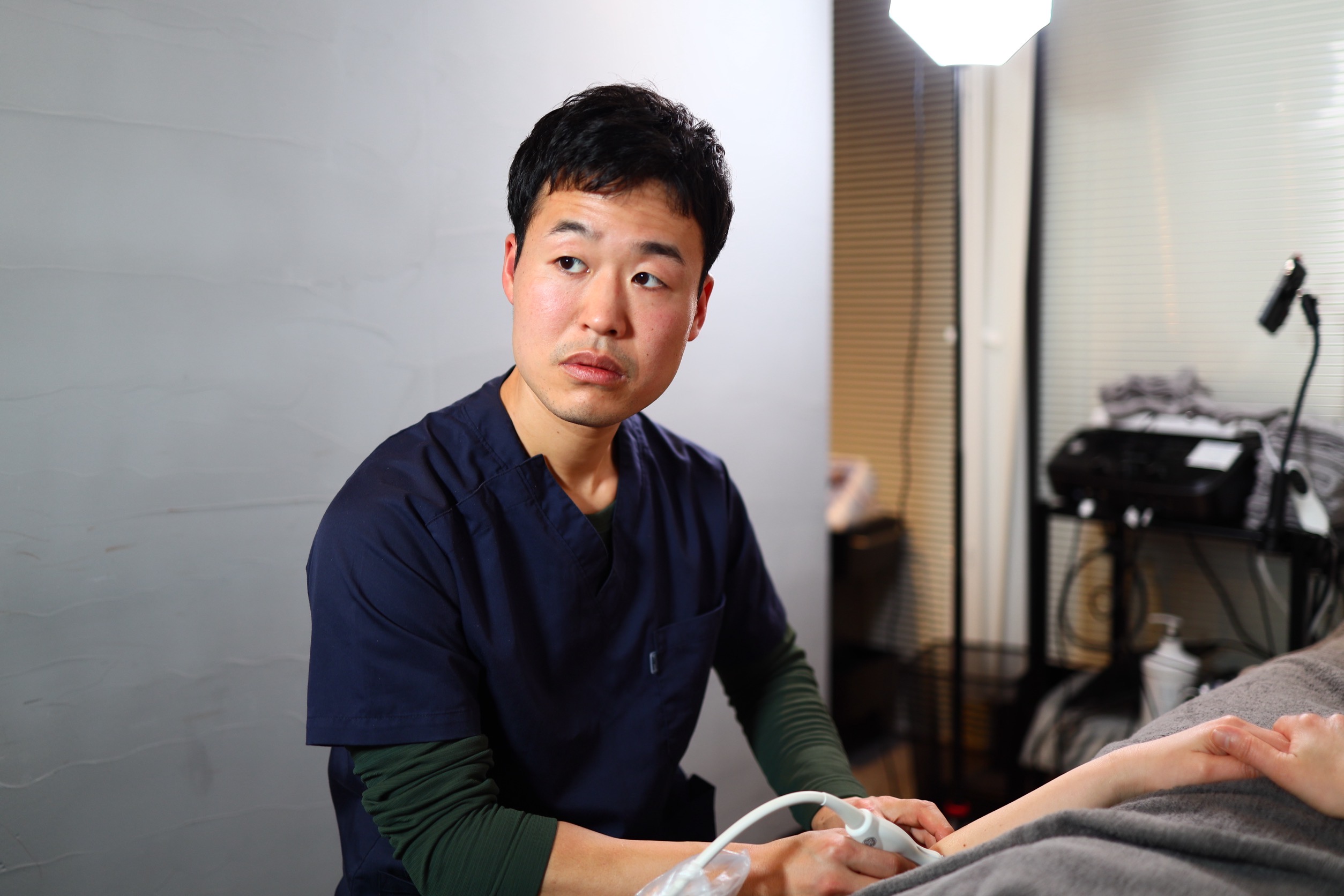

CrossFit places massive demand on the shoulder, especially during overhead lifts and high-rep gymnastic movements. Furthermore, repeated load with insufficient mobility frequently leads to shoulder impingement. The good news is that most cases resolve with targeted physiotherapy and smart programming.
At our Amsterdam clinic we see CrossFit athletes from boxes across Zuid, Oost, and Noord. Therefore, this article explains root causes, recovery steps, and how to return to overhead lifting safely. The aim is calm, factual guidance, not avoidance.
What Is Shoulder Impingement
Impingement refers to pinching of tendons or bursa under the acromion. Specifically, the supraspinatus tendon and subacromial bursa get squeezed during overhead motion. The result is sharp pain at 70 to 120 degrees of elevation.
Two main subtypes exist: subacromial and internal impingement. Moreover, both can coexist in CrossFit athletes due to mixed load demands. Imaging is rarely necessary in early-stage cases.
Why CrossFit Creates Impingement
Olympic lifts, kipping pull-ups, and handstand work all rely on full overhead range. However, many athletes lack the thoracic and scapular mobility needed for true overhead position. Therefore, the shoulder compensates by hinging at the AC joint.
Volume is the second factor. Specifically, high-rep WODs accumulate huge load on the rotator cuff. Without adequate recovery, tendons inflame.
Typical Symptoms
Pain at the front or side of the shoulder during overhead reach is classic. Furthermore, athletes often note difficulty with snatch lockout or sleeping on the affected side. Strength may stay intact early on.
Crackling or clicking sounds appear later. Additionally, kipping pull-ups become uncomfortable. Pressing movements remain possible but burn at the front.
Common Movement Faults
Lack of thoracic extension is the most common driver. Therefore, the bar travels behind the head poorly, forcing the lumbar spine to compensate. The shoulder pays the price.
Limited external rotation in the catch position also stresses the cuff. Moreover, scapular dyskinesis often goes undetected. We video-screen every overhead athlete.
How We Assess Overhead Athletes
Assessment includes thoracic spine mobility, scapular control, and rotator cuff strength. Specifically, we use overhead squat tests and scapular dyskinesis scoring. Pain provocation tests confirm impingement.
We also review training data and lift technique. Furthermore, we examine your workout history for sudden volume spikes. Read more on the physiotherapy page.
First-Line Treatment
Reduce overhead volume by 50 percent without stopping entirely. Therefore, you maintain fitness while the cuff calms. Pressing should swap to dumbbells with a neutral grip.
We add cuff isometrics, scapular control drills, and thoracic extension. Moreover, soft-tissue release of pec minor and lats opens overhead room. Pain usually drops within two weeks.
Thoracic Mobility Drills
Foam-roller thoracic extension, prone Y-T-W, and quadruped rotations open the upper back. Furthermore, these can run daily for five minutes. The improvement transfers directly to lockout.
Add deep breathing to maximise rib cage expansion. Consequently, the scapula sits more flush against the thorax. The shoulder gains better overhead mechanics.
Rotator Cuff Strength
External rotation, prone Y raises, and overhead carries form the core programme. Specifically, two to three sessions per week build durable cuff strength. Heavy loading is essential, not optional.
Avoid only-band work. Moreover, mix in dumbbell, cable, and bottoms-up kettlebell variations. Variety builds neuromuscular control.
Acupuncture for Shoulder Pain
Japanese-style acupuncture pairs well with physio in athletic shoulders. Specifically, fine needling relaxes pec minor, infraspinatus, and upper trap. Most athletes feel calmer ranges within two sessions.
Electroacupuncture adds analgesic and tissue-healing effects. Therefore, we use it for stubborn tendon irritation. Read more on the acupuncture page.
Integrated Care for Athletes
Combining physio with acupuncture often shortens return-to-WOD timelines. Furthermore, we offer integrated visits described on the integrated care page. Pricing is on the pricing page.
Expat CrossFit athletes can also use direct billing where possible. Moreover, the expat physio page details insurance reimbursement.
Programming Modifications
Swap snatches for high-pulls during the calming phase. Additionally, replace kipping pull-ups with strict variations. Push-press can replace push-jerk.
Reduce overhead WODs to once per week. Therefore, the cuff gets time to remodel between sessions. Coaches usually adapt the WOD gladly once they see the plan.
Sleep, Recovery, and Mobility Habits
Sleep on the unaffected side with a pillow hugged for support. Furthermore, prioritise eight hours of sleep during the recovery phase. Hydration and protein intake matter.
Daily mobility flow takes ten minutes and pays huge dividends. Consequently, your overhead positions feel cleaner. Habit beats intensity here.
Return-to-WOD Criteria
You should achieve pain-free overhead squat with empty bar, 90 percent strict press strength, and full active overhead range. Moreover, we test scapular control under fatigue. All three need to be solid.
Gradual reintroduction follows a phased reload over three to four weeks. Therefore, the first WOD should not include kipping pull-ups. Volume returns last.
When Imaging Is Needed
Persistent pain beyond eight weeks of structured care warrants ultrasound. Specifically, partial tendon tears, calcific tendinitis, and bursal thickening can be ruled out. We refer through your huisarts.
MRI is rarely first-line. Furthermore, most imaging findings are clinically irrelevant in athletes. We focus on symptoms and function.
Preventing Recurrence
Build daily thoracic and cuff maintenance into your warm-up. Therefore, the shoulder stays prepared for overhead demand. Five minutes is enough if done consistently.
Manage training load with a clear weekly plan. Moreover, build deload weeks into every training block. See the FAQ for more recovery questions.
Final Thoughts
CrossFit shoulder impingement is common but not career-ending. Therefore, the right combination of mobility, strength, and programming usually resolves it. Acupuncture supports tissue calming alongside physio.
Reach out via the contact page to book an assessment. Our team will explain every step in plain language and get you back to lifting.
nWritten by Hidekazu Kuwabara, Registered Physiotherapist (BIG-registered, Amsterdam)
Hidekazu has over 10 years of clinical experience in physiotherapy and acupuncture. He specialises in musculoskeletal pain, sports injuries, and integrative East-West medicine at Alter Physio & Acupuncture, Amsterdam.
Disclaimer: This article is for informational purposes only and does not constitute medical advice. Always consult a qualified healthcare professional before making decisions about your health or treatment.
Related Articles
- Cycling Knee Pain in Amsterdam: Bike-Fit and Patellofemoral Solutions
- Postpartum Running Return: A Physio’s 8-Step Protocol
- Plantar Fasciitis Runners Treatment: Why Stretching Alone Fails
Written by Hidekazu Kuwabara, Registered Physiotherapist (BIG-registered, Amsterdam)
Hidekazu has over 10 years of clinical experience in physiotherapy and acupuncture. He specialises in musculoskeletal pain, sports injuries, and integrative East-West medicine at Alter Physio & Acupuncture, Amsterdam.
Disclaimer: This article is for informational purposes only and does not constitute medical advice. Always consult a qualified healthcare professional before making decisions about your health or treatment.


