



A hamstring strain stops athletes mid-stride and frustrates recreational runners for weeks. Furthermore, it is the most common acute muscle injury in sprint-based sport. Most people recover well when they grade the injury accurately and follow a structured plan.
At our Amsterdam clinic we see hamstring strains across football, hockey, sprinting, and crossfit. Therefore, this guide explains grading, recovery timelines, and return-to-sport criteria. The aim is calm, factual progress.
What Is a Hamstring Strain
A strain is a tear in muscle or muscle-tendon junction. Specifically, the hamstring complex includes biceps femoris, semitendinosus, and semimembranosus. Biceps femoris suffers most often during sprinting.
Tears happen during eccentric load near full hip flexion. Consequently, athletes feel a sudden pull or pop during sprinting or kicking. Walking afterwards is often possible but painful.
Grade 1: Mild Strain
Grade 1 strains involve microscopic damage with minimal strength loss. Furthermore, athletes can usually continue light activity. Pain is mild and resolves within ten days.
Bruising is rare and swelling minimal. Therefore, MRI rarely changes management. Most patients return to sport in two to three weeks.
Grade 2: Moderate Strain
Grade 2 involves partial tearing with measurable strength deficit. Specifically, the athlete cannot sprint or kick without significant discomfort. Bruising appears within 48 hours.
Walking with a slight limp is common. Moreover, palpation reveals a tender, sometimes palpable, defect. Return-to-sport typically takes four to eight weeks.
Grade 3: Severe Strain or Avulsion
Grade 3 is a full-thickness tear, sometimes with bony avulsion. Therefore, athletes cannot bear weight without severe pain. A gap in the muscle may be palpable.
Imaging is mandatory in suspected Grade 3 injuries. Furthermore, surgical opinion is sometimes needed for proximal avulsions. Recovery ranges from three to six months.
How We Assess Hamstring Injuries
Assessment starts with mechanism, immediate symptoms, and walking ability. Specifically, we test palpation, range of motion, and isometric strength. Functional tests like single-leg bridge confirm severity.
We also check lumbar spine and sciatic nerve mobility. Moreover, hip mobility and pelvic control influence recurrence risk. Read more on the physiotherapy page.
When Imaging Is Needed
Grade 1 and most Grade 2 strains do not need imaging. However, suspected Grade 3 injuries require ultrasound or MRI. Imaging guides return-to-sport decisions in elite athletes.
Proximal pain near the ischial tuberosity warrants imaging. Therefore, we refer through your huisarts when red flags appear. Most recreational athletes can recover without scans.
The First 72 Hours
Apply the PEACE protocol: Protect, Elevate, Avoid anti-inflammatories, Compress, Educate. Furthermore, gentle movement within pain limits is encouraged. Complete rest delays recovery.
Ice is optional and used briefly only. Moreover, walking within tolerance helps tissue remodelling. Avoid stretching in the acute phase.
Phase 1: Pain-Free Movement
Days 3 to 14 focus on regaining pain-free walking and gentle isometric load. Specifically, prone hamstring contractions at low intensity restore neural drive. Stationary cycling supports cardio.
Hands-on physio improves tissue glide. Therefore, scar tissue forms with better alignment. Acupuncture can also support tissue calming, as described on the acupuncture page.
Phase 2: Strength and Length
Weeks 2 to 4 reintroduce concentric and eccentric loading. Specifically, Nordic curls, Romanian deadlifts, and single-leg bridges build strength. Range of motion improves through controlled lengthening.
Progression is symptom-led. Moreover, we add resistance as tolerated. Patients should achieve 70 percent of uninjured-side strength before sprinting work.
Phase 3: Sprint and Sport Specific
Weeks 4 to 8 reintroduce running and sport-specific drills. Therefore, build from jogging to striding to sprinting over two to three weeks. Cutting and decelerating come last.
Plyometrics and reactive drills build resilience. Moreover, fatigue-state testing identifies hidden weakness. We video-screen sprint mechanics in athletes returning to football or athletics.
Acupuncture for Hamstring Recovery
Japanese-style acupuncture supports tissue recovery and pain control. Specifically, fine needling reduces protective tone in surrounding muscles. Most patients report quicker softening of the tissue.
Electroacupuncture aids subacute tissue healing. Therefore, we integrate it from week two onwards. Read more on the integrated care page.
Return-to-Sport Criteria
Pain-free sprint at full pace is essential. Moreover, single-leg bridge symmetry, full hip range, and no apprehension matter. We use objective tests rather than time-only criteria.
Athletes returning to football also need cutting and acceleration tests. Consequently, a full graded return-to-play decision blends data and clinical judgement.
Recurrence Prevention
Hamstring strains recur in 12 to 33 percent of athletes without proper rehab. Therefore, prevention matters. Nordic curls remain the gold standard exercise.
Two to three Nordic sessions weekly cut re-injury rates by half. Furthermore, ongoing sprint exposure protects against deconditioning. Maintain glute and core strength year-round.
Common Mistakes
Returning too early is the biggest mistake. Specifically, athletes often resume sport at 80 percent strength and re-tear within weeks. Patience pays.
Avoid aggressive stretching in early recovery. Moreover, NSAIDs may slow tissue remodelling. Use them sparingly under medical advice.
Insurance and Self-Pay
Hamstring rehab usually fits within standard supplementary insurance physio allowances. Furthermore, see the pricing page for current rates. Expats can read the expat physio page.
Some athletes use restitutie policies for full freedom. Therefore, you can choose your therapist without insurer restrictions. Direct billing is available where contracts allow.
Special Cases: Proximal Tendinopathy
Some athletes confuse proximal hamstring tendinopathy with an acute strain. Specifically, pain near the sitting bone with cumulative load suggests tendinopathy. Treatment differs from acute strain.
Isometric and slow heavy resistance training drives recovery. Moreover, avoid stretching the tendon in the acute phase. Recovery takes longer but outcomes are good.
Final Thoughts
Hamstring strains have a clear recovery roadmap when graded correctly. Therefore, the right combination of load, mobility, and patience usually delivers a strong return. Acupuncture supports recovery alongside physio.
Book via the contact page or see the FAQ for practical questions. Our team will guide you back to full performance.
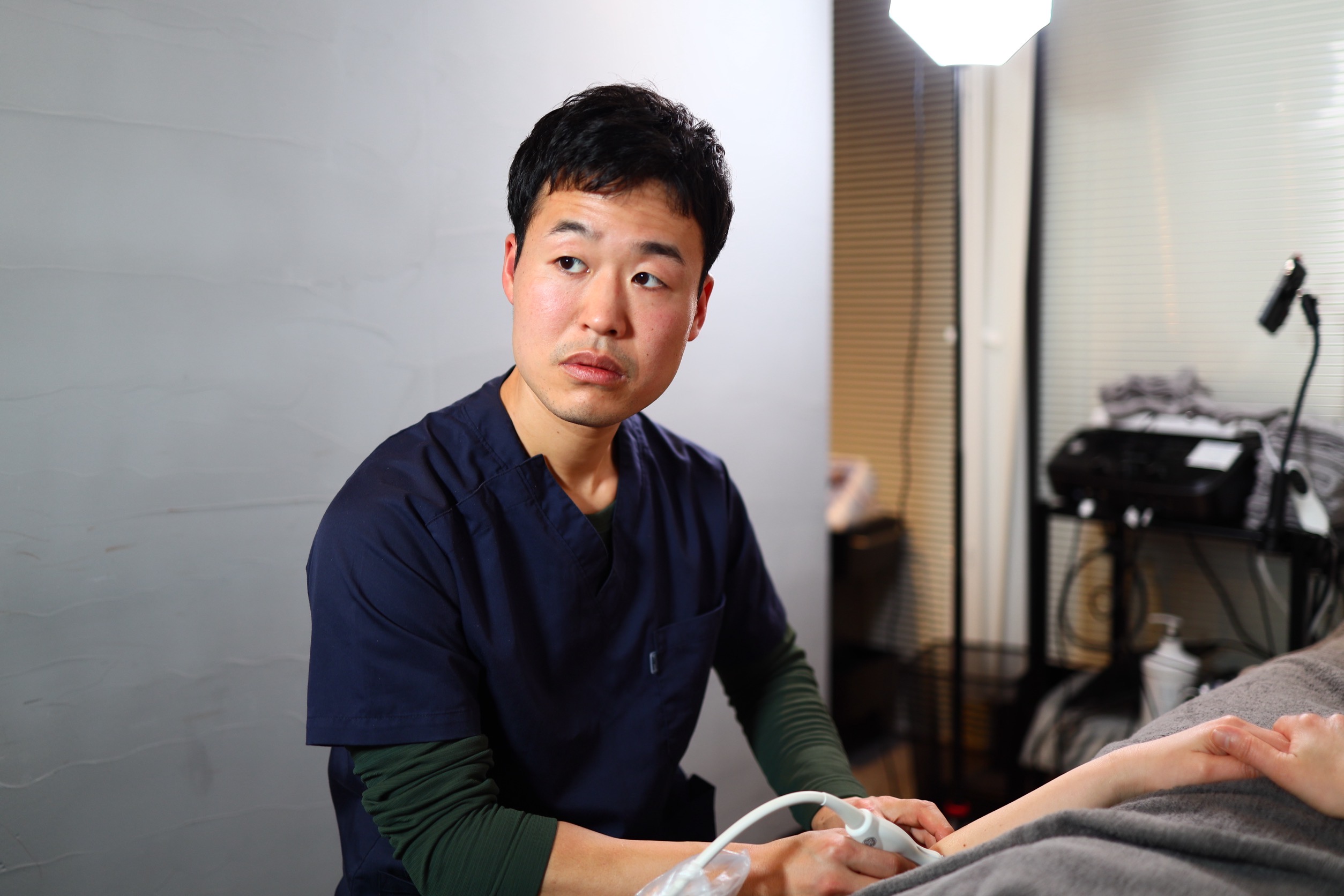
nWritten by Hidekazu Kuwabara, Registered Physiotherapist (BIG-registered, Amsterdam)
Hidekazu has over 10 years of clinical experience in physiotherapy and acupuncture. He specialises in musculoskeletal pain, sports injuries, and integrative East-West medicine at Alter Physio & Acupuncture, Amsterdam.
Disclaimer: This article is for informational purposes only and does not constitute medical advice. Always consult a qualified healthcare professional before making decisions about your health or treatment.
Related Articles
- Cycling Knee Pain in Amsterdam: Bike-Fit and Patellofemoral Solutions
- Postpartum Running Return: A Physio’s 8-Step Protocol
- Plantar Fasciitis Runners Treatment: Why Stretching Alone Fails
Written by Hidekazu Kuwabara, Registered Physiotherapist (BIG-registered, Amsterdam)
Hidekazu has over 10 years of clinical experience in physiotherapy and acupuncture. He specialises in musculoskeletal pain, sports injuries, and integrative East-West medicine at Alter Physio & Acupuncture, Amsterdam.
Disclaimer: This article is for informational purposes only and does not constitute medical advice. Always consult a qualified healthcare professional before making decisions about your health or treatment.


