


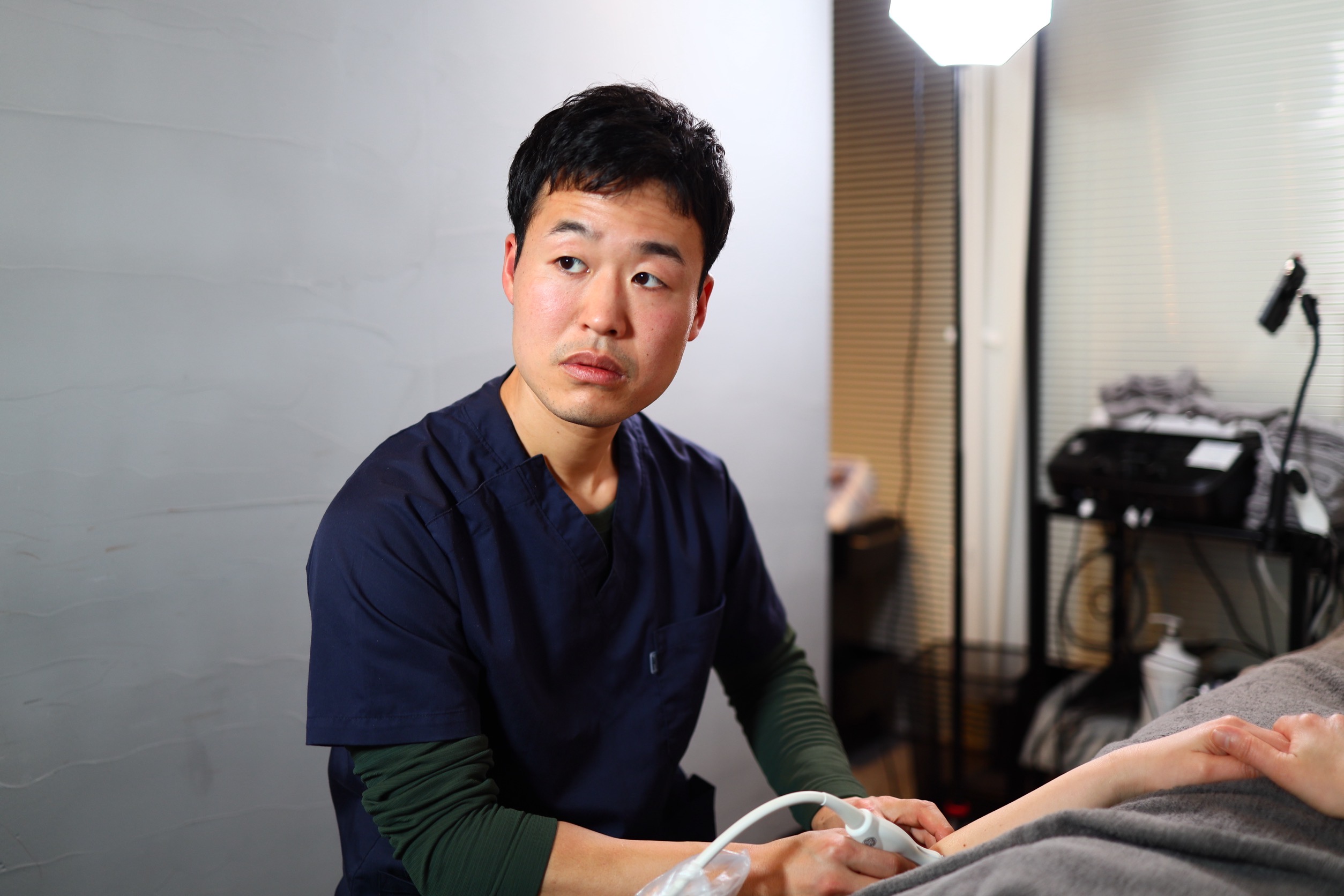

Heart rate variability, or HRV, has moved from sports labs into everyday wearables. Furthermore, many of our Amsterdam patients track it on Oura, Garmin, Apple Watch, or Whoop. The metric is genuinely useful, yet often misunderstood.
This article explains what HRV really measures and how to improve it naturally. Therefore, you can use the number to guide training, recovery, and stress management. We also cover the role of acupuncture and physiotherapy.
What HRV Actually Measures
HRV is the variation in time between heartbeats. Specifically, it reflects the balance between the sympathetic and parasympathetic nervous systems. Higher variability usually means better autonomic flexibility.
Low HRV is associated with stress, illness, overtraining, and poor sleep. Consequently, tracking trends over time can reveal hidden issues. Single-day readings are less meaningful than weekly averages.
How HRV Is Measured
Wearables measure HRV during sleep using optical or ECG sensors. Furthermore, RMSSD is the most common metric used in consumer devices. Values typically range from 20 to 100 milliseconds.
Comparing your HRV to others is rarely useful. Therefore, only personal trends matter. Set a four-week baseline before drawing conclusions.
What Influences Your HRV
Sleep quality, stress, alcohol, illness, and training load all impact HRV. Specifically, late meals and evening alcohol depress HRV strongly. Even mild dehydration lowers the score.
Genetics also play a role. Moreover, age, sex, and fitness baseline create natural differences. Therefore, focus on your trend, not absolute values.
Sleep: The Biggest Single Lever
Sleep duration and quality drive HRV more than any other factor. Furthermore, seven to nine hours nightly is the sweet spot. Consistency of bedtime matters as much as total hours.
Reduce screen time after 22:00 and keep the bedroom cool. Consequently, deep sleep increases and HRV rises. Most patients see improvement within two weeks of better sleep hygiene.
Breathing Practices
Slow paced breathing at roughly six breaths per minute boosts HRV directly. Specifically, four-seconds-in and six-seconds-out is a practical pattern. Ten minutes daily is enough to shift autonomic tone.
Apps like Othership, Breathwrk, or Calm guide the rhythm. Therefore, you can practise during commute or work breaks. Athletes often add it before sleep.
Nutrition and Hydration
Eat your last meal three hours before sleep when possible. Furthermore, alcohol within four hours of bed depresses HRV by 20 percent or more. Consistent meal timing also helps.
Stay well hydrated during the day, especially in summer. Moreover, magnesium, omega-3, and consistent protein support nervous system recovery. Avoid energy drinks late in the day.
Training Load Management
Hard training temporarily lowers HRV, which is normal. Therefore, look at weekly trends, not single days. Consistent drops over two weeks suggest overload.
Zone-2 endurance work raises baseline HRV over months. Moreover, strength training without overreaching also supports it. Read more about training-related care on the physiotherapy page.
Cold Exposure
Brief cold exposure stimulates the vagus nerve. Specifically, two to three minutes in cold water several times a week supports HRV. Make it routine but not extreme.
Cold showers at the end of a normal shower work well. Furthermore, the IJ and Amsterdamse Bos lakes provide natural options in colder months. Always start gradually.
Sauna and Heat Therapy
Regular sauna use also supports cardiovascular and autonomic health. Moreover, four sessions per week improve resting HRV in many studies. Hydrate properly before and after.
Local options like Sauna Deco offer accessible facilities. Therefore, combining sauna with cold contrast is increasingly popular among Amsterdam athletes.
Acupuncture and HRV
Acupuncture has measurable effects on autonomic tone. Specifically, sessions tend to shift balance towards parasympathetic activation. Many patients see HRV bumps after treatment.
Japanese-style needling is particularly gentle and effective for autonomic regulation. Therefore, we use it for stress-driven low HRV. Read more on the acupuncture page.
Stress and HRV
Chronic stress is the most common cause of suppressed HRV. Furthermore, work demands, finance careers, and constant connectivity all contribute. Acknowledging the load is the first step.
Add daily downtime, walks in Vondelpark, and digital boundaries. Consequently, the autonomic system gets recovery time. Small daily habits beat occasional retreats.
Caffeine and HRV
Caffeine raises sympathetic activity and can suppress HRV. Specifically, late afternoon coffee impacts sleep and autonomic tone. Try a 14:00 cut-off as an experiment.
Moderate morning coffee is usually fine. Moreover, green tea and matcha provide gentler stimulation. Watch how your wearable responds.
Integrated Care for Stress and Recovery
Physiotherapy and acupuncture together support both physical and autonomic recovery. Furthermore, we offer integrated visits described on the integrated care page. Costs are listed on the pricing page.
Expats with high-pressure careers often benefit most. Therefore, see the expat physio page for direct billing details.
Common HRV Myths
Higher is not always better. Specifically, ultra-high HRV can indicate parasympathetic dominance from illness. Trends matter more than peaks.
HRV is also not a diagnostic tool. Moreover, do not chase the number obsessively. Use it as one signal among many.
How to Build a HRV Improvement Plan
Pick three habits to focus on for four weeks. Specifically, sleep consistency, paced breathing, and alcohol moderation often deliver the biggest wins. Track weekly averages, not daily ups and downs.
Add one extra habit each month. Therefore, the change feels sustainable. Most patients see clear improvement within eight to twelve weeks.
When to Seek Professional Support
Persistent low HRV with fatigue, poor sleep, or stress symptoms deserves clinical input. Furthermore, our integrated team can assess physical, autonomic, and lifestyle factors. Always start with your huisarts when symptoms are medical.
Read the FAQ for booking and language questions. Therefore, you arrive prepared and confident.
Final Thoughts
HRV is a useful window into autonomic health when interpreted carefully. Therefore, focus on trends, not single days. Sleep, breathing, alcohol, training balance, and acupuncture all play a role.
Book through the contact page if you want personalised support. Our Amsterdam team will help you decode your data calmly and clearly.
nWritten by Hidekazu Kuwabara, Registered Physiotherapist (BIG-registered, Amsterdam)
Hidekazu has over 10 years of clinical experience in physiotherapy and acupuncture. He specialises in musculoskeletal pain, sports injuries, and integrative East-West medicine at Alter Physio & Acupuncture, Amsterdam.
Disclaimer: This article is for informational purposes only and does not constitute medical advice. Always consult a qualified healthcare professional before making decisions about your health or treatment.
Related Articles
- Breathing Retraining Anxiety Guide: Diaphragmatic Method in Amsterdam
- Thoracic Outlet Syndrome: When Nerves and Muscles Both Misfire
- Burnout Treatment Amsterdam: A Physio and Acupuncture Combined Recovery Protocol
Written by Hidekazu Kuwabara, Registered Physiotherapist (BIG-registered, Amsterdam)
Hidekazu has over 10 years of clinical experience in physiotherapy and acupuncture. He specialises in musculoskeletal pain, sports injuries, and integrative East-West medicine at Alter Physio & Acupuncture, Amsterdam.
Disclaimer: This article is for informational purposes only and does not constitute medical advice. Always consult a qualified healthcare professional before making decisions about your health or treatment.

