


Long COVID is real, and the science is still catching up. Furthermore, the lived experience of fatigue, body pain, and brain fog continues long after the initial infection clears.
At our Amsterdam clinic, we see patients who have tried rest, exercise, and supplements without lasting results. Therefore, we built a careful, combined approach that blends long covid physiotherapy with Japanese acupuncture.
This guide explains how the two methods work together. In addition, it sets realistic expectations for recovery, which usually takes months rather than weeks.
Long COVID is real, and mechanisms are still being mapped
First, we want to acknowledge something important. Long COVID is not in your head, and the symptoms are biological.
Researchers are still mapping the exact mechanisms involved. However, current theories include lingering viral reservoirs, immune dysregulation, microclots, and nervous system dysfunction.
Because the picture is complex, a single fix rarely works. Instead, recovery usually depends on calming the system, restoring sleep, and rebuilding capacity in tiny, tolerable steps.
Common symptom clusters we see in clinic
Long COVID does not look the same in every person. Nevertheless, certain symptom clusters appear again and again in our Amsterdam practice.
Post-exertional malaise, or PEM
PEM is the hallmark of many Long COVID cases. Essentially, a small effort today can trigger a heavy crash tomorrow or two days later.
The trigger may be physical, mental, or emotional. For example, a short walk, a long meeting, or a stressful phone call can each push the system over the edge.
Autonomic dysfunction and POTS-like patterns
Many patients describe dizziness on standing, racing heart, and temperature swings. In other words, the autonomic nervous system is struggling to regulate the basics.
Some of these patterns resemble POTS, or postural orthostatic tachycardia syndrome. Consequently, formal cardiology assessment is sometimes needed, which we will cover later.
Body pain and stiffness
Diffuse muscle aches, joint pain, and burning sensations are common. Moreover, the pain often shifts around the body from week to week.
This pattern can resemble fibromyalgia in some cases. As a result, we treat the nervous system, not just the painful spot.
Brain fog and cognitive fatigue
Word-finding problems, slow processing, and poor memory are frequent complaints. In fact, many patients say the brain fog is more disabling than the body pain.
Sleep quality and autonomic balance both shape cognition. Therefore, calming the nervous system often improves mental clarity as a side effect.
Why heavy graded exercise often fails
Classic rehab teaches us to push through fatigue with graded exercise. However, in Long COVID with PEM, this approach can make people significantly worse.
Pushing past the energy envelope triggers the crash cycle. Consequently, patients lose ground instead of gaining it, and confidence in their body drops further.
Major international guidelines now advise against rigid graded exercise therapy in this group. Instead, the recommended path is pacing, energy management, and PEM-aware progression.
The pacing-first, PEM-aware approach
Pacing means staying inside your current energy envelope on most days. In short, we build a stable baseline before adding any progression.
We use simple tools to track activity, symptoms, and recovery. For example, a heart-rate threshold, a steps cap, or a daily symptom score can all guide decisions.
Once a baseline holds for two to three weeks, we add very small increases. Importantly, any flare prompts a return to the previous, safer level rather than pushing through.
The role of Japanese acupuncture in Long COVID
Japanese acupuncture uses very fine needles and gentle technique. As a result, the dose is light, which suits a sensitised, easily overwhelmed nervous system.
The aim is not to force a reaction but to invite the body to settle. You can read more on our page about acupuncture for stress, anxiety, and burnout in Amsterdam.
Vagal and parasympathetic regulation
Many Long COVID patients live in a chronic fight-or-flight state. In contrast, calming the vagus nerve and parasympathetic system supports digestion, sleep, and recovery.
Gentle needling can shift this balance over a series of sessions. For autonomic symptoms specifically, our page on acupuncture for the autonomic nervous system explains the approach in detail.
Sleep quality and depth
Restorative sleep is the engine of recovery. However, Long COVID often disrupts both falling asleep and staying asleep.
Patients regularly report deeper sleep within two to four sessions. Consequently, daytime energy and pain levels begin to improve as well.
Micro-recovery between sessions
We treat acupuncture as a nudge, not a force. In other words, each session gives the body a small window of better regulation, which then compounds over time.
For sensitive patients, we may start with only a few needles. Above all, the goal is to avoid post-treatment crashes while still giving the system a useful signal.
The physiotherapy contribution
Physiotherapy in Long COVID looks very different from sports rehab. Specifically, it focuses on regulation, breathing, and very gradual reconditioning.
You can see our broader approach on the physiotherapy services page. In addition, we describe how the two disciplines fit together on our integrated physiotherapy and acupuncture page.
Pacing strategies that actually stick
We help patients break tasks into smaller blocks with planned rest. Therefore, daily life becomes more predictable, and crashes happen less often.
We also coach around work, family, and social demands. After all, pacing only works if it fits real life, not a perfect schedule on paper.
Breathing retraining
Many Long COVID patients breathe shallowly and quickly without realising it. As a result, they over-breathe, drop carbon dioxide levels, and feel even more lightheaded.
We retrain slow, low, nasal breathing in calm conditions. Then we slowly extend that pattern into walking, talking, and light daily tasks.
Very gradual reconditioning
Once a stable baseline is in place, we introduce gentle movement. For instance, short recumbent or seated exercises avoid the upright stress that triggers many POTS-like symptoms.
Progressions are measured in minutes per week, not per day. In this way, the body relearns load without sliding back into the crash cycle.
How long covid physiotherapy and acupuncture work together
The two methods address different layers of the same problem. Specifically, acupuncture calms the system, while physiotherapy rebuilds capacity inside that calmer state.
A typical week might involve one acupuncture session and one physiotherapy session. However, we always adjust the rhythm to match energy levels and life demands.
Communication between both sides of the treatment is essential. Therefore, we keep shared notes and review progress together, instead of working in separate silos.
Realistic expectations: months, not weeks
We are honest with patients from the first visit. Realistically, meaningful recovery from Long COVID usually unfolds over months, not weeks.
Progress is rarely a straight line. Instead, expect plateaus, small setbacks, and occasional flares triggered by infections, stress, or hormonal shifts.
Despite this, most patients see steady gains when pacing is respected. For example, longer walks, better sleep, and clearer thinking often appear within a few months.
What a realistic timeline can look like
In the first month, we focus on stabilising sleep and reducing crashes. Meanwhile, body pain and brain fog usually start to ease slightly.
Between three and six months, we usually see clearer capacity gains. Subsequently, light reconditioning often becomes possible without triggering PEM.
When to escalate to other specialists
Long COVID care must stay connected to mainstream medicine. Therefore, we refer or co-work with other specialists whenever signals point that way.
Cardiology for suspected POTS
If standing heart rate jumps sharply and symptoms are severe, cardiology assessment is appropriate. In particular, formal tilt testing and medication review can change the treatment plan considerably.
Neurology for persistent neurological signs
Severe headaches, sensory changes, or strong cognitive decline deserve neurological input. Additionally, sleep specialists can help when insomnia or apnoea resist conservative care.
GP and post-COVID clinics
Your huisarts remains the central coordinator. Furthermore, post-COVID clinics in the Netherlands can run blood work, imaging, and multidisciplinary reviews when needed.
Booking long covid physiotherapy in Amsterdam
Every Long COVID journey is different, and so is every treatment plan. Therefore, we start with a careful intake that maps your symptoms, triggers, and current capacity.
From there, we design a combined plan of pacing-aware physiotherapy and gentle Japanese acupuncture. To get started, you can contact our Amsterdam clinic and tell us a little about your story.
You are not imagining this, and you are not lazy. Above all, with patience and the right team, sustainable progress is genuinely possible.
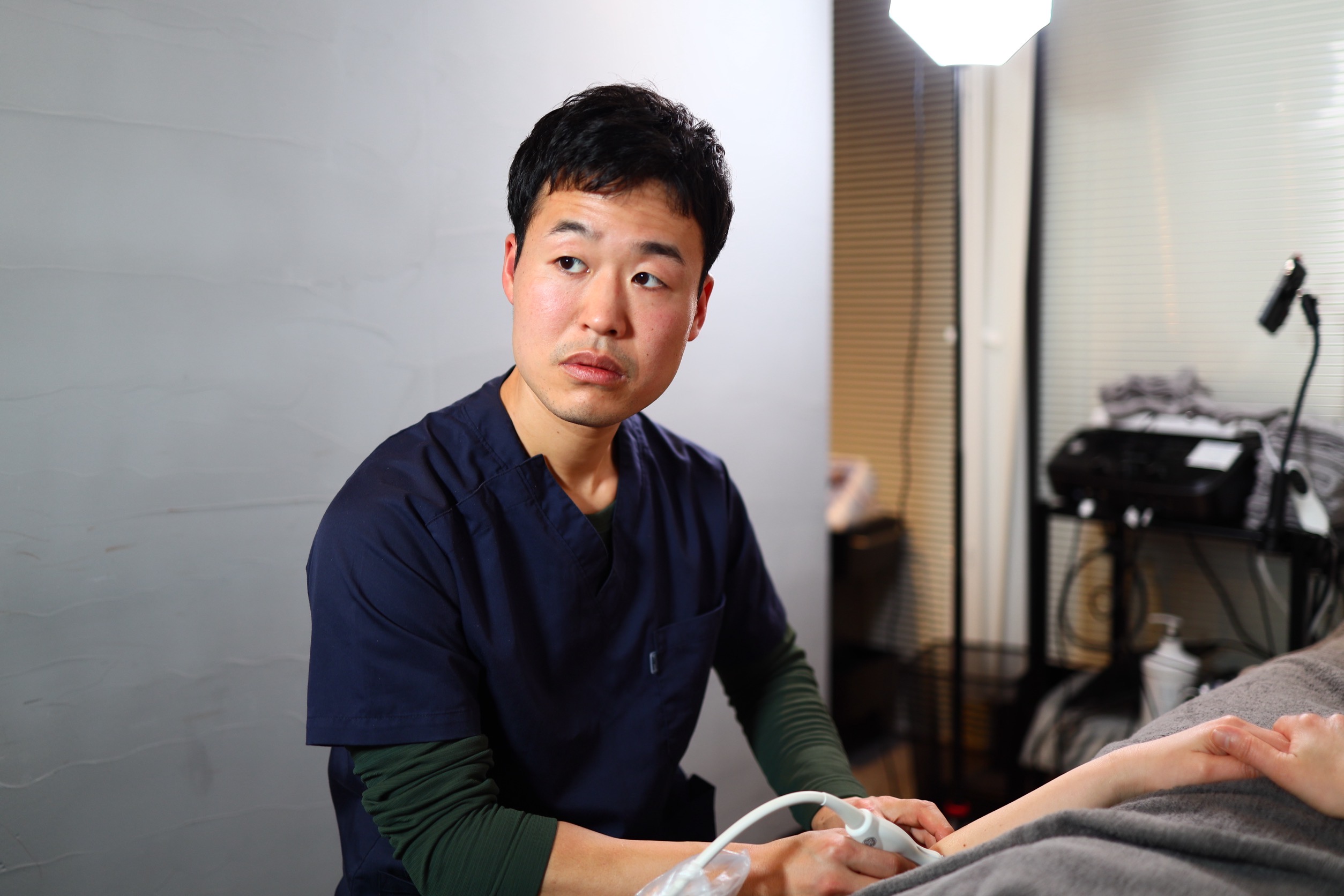
nWritten by Hidekazu Kuwabara, Registered Physiotherapist (BIG-registered, Amsterdam)
Hidekazu has over 10 years of clinical experience in physiotherapy and acupuncture. He specialises in musculoskeletal pain, sports injuries, and integrative East-West medicine at Alter Physio & Acupuncture, Amsterdam.
Disclaimer: This article is for informational purposes only and does not constitute medical advice. Always consult a qualified healthcare professional before making decisions about your health or treatment.


