


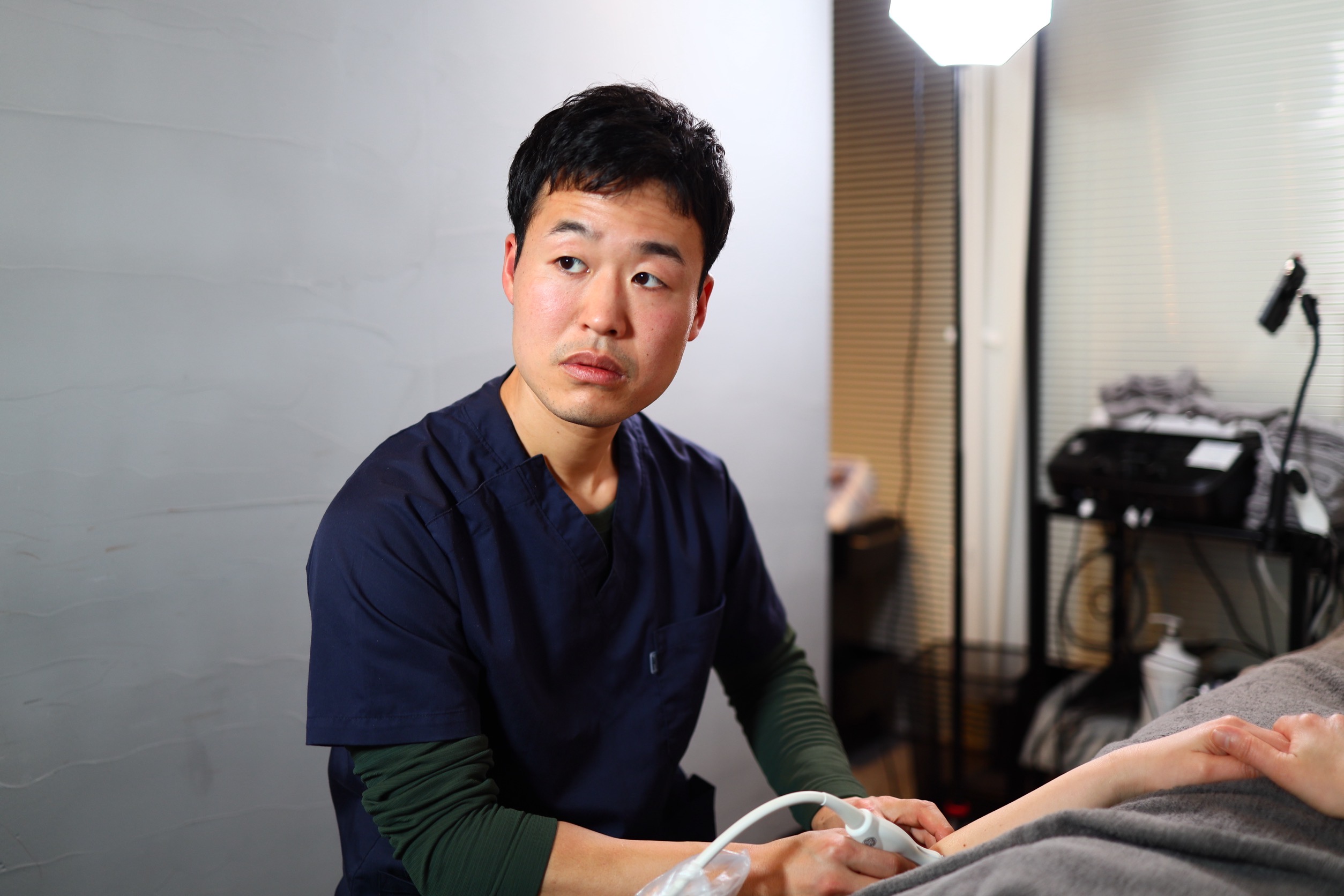

Why Stress-Related IBS Deserves a Better Answer
Irritable bowel syndrome affects roughly one in ten adults in the Netherlands. Many patients still hear that they simply have to “live with it”.
In addition, Dutch primary care often focuses on ruling out serious disease rather than actively treating IBS. As a result, people with bloating, cramps, and urgency leave the huisarts with reassurance but no plan.
That gap is exactly where integrated care helps. Acupuncture, paired with diet, breathing work, and psychology, can calm the gut-brain axis and reduce flare frequency.
IBS in the Netherlands: A Quiet Epidemic
How Common Is It?
Population studies suggest 5 to 15 percent of Dutch adults meet Rome IV criteria for IBS. Women are affected almost twice as often as men.
Moreover, IBS rarely arrives alone. It often overlaps with anxiety, migraine, fibromyalgia, and chronic pelvic pain.
The “Live With It” Message
Many Amsterdam patients tell us their GP ordered blood tests and a stool calprotectin. Once those returned normal, they were told the gut is “just sensitive”.
Furthermore, that message can feel dismissive when symptoms disrupt work, social life, and sleep. IBS is functional, not imaginary, and it responds to targeted treatment.
Why the System Misses It
Dutch insurance rarely funds long IBS consultations. As a result, dietitians, psychologists, and acupuncturists often work outside the basisverzekering.
Notably, that does not mean these therapies lack evidence. It simply means patients must seek them proactively.
The Gut-Brain Axis Explained
One System, Three Languages
The gut and brain talk constantly through three channels. These are the vagus nerve, the enteric nervous system, and the microbiome.
Therefore, a stressed brain quickly becomes a stressed gut. The reverse is also true.
The Vagus Nerve
The vagus nerve carries roughly 80 percent of its fibres upward from the gut to the brain. It signals fullness, inflammation, and visceral sensation.
In addition, vagal tone influences how the colon contracts. Low vagal tone is linked to slower motility, bloating, and visceral hypersensitivity. Learn more in our vagus nerve article.
The Enteric Nervous System
The enteric nervous system contains around 500 million neurons. It is sometimes called the “second brain” because it can regulate digestion independently.
Moreover, this network uses many of the same neurotransmitters as the brain. Serotonin, dopamine, and GABA all act in the gut wall.
The Microbiome Connection
Trillions of bacteria, viruses, and fungi shape gut function. They influence inflammation, motility, and even mood.
As a result, stress-driven shifts in cortisol can change the microbiome within days. That ripple effect helps explain why anxious weeks often end in IBS flares.
How Stress Drives IBS Flares
The HPA Axis
Chronic stress activates the hypothalamic-pituitary-adrenal axis. Cortisol rises, sleep fragments, and the immune system shifts.
Furthermore, high cortisol increases intestinal permeability. This “leaky” lining allows more antigens to reach immune cells, fuelling low-grade inflammation.
Sympathetic Dominance
Stress also tilts the autonomic balance toward the sympathetic branch. Blood is redirected away from the gut to skeletal muscle.
As a result, motility becomes erratic. Some patients react with diarrhoea, others with constipation, and many alternate between both.
Visceral Hypersensitivity
Stress lowers the gut’s pain threshold. Normal volumes of gas suddenly feel painful or alarming.
Therefore, treating IBS means calming the nervous system as much as treating the gut itself. Read more in our acupuncture for stress article.
What Does the Evidence Say About Acupuncture for IBS?
2024-2025 Systematic Reviews
Several recent systematic reviews and meta-analyses examined acupuncture for IBS. Most pooled 30 to 50 randomised trials covering thousands of patients.
Notably, results consistently show a modest but real effect on global IBS symptoms. Bloating, abdominal pain, and stool consistency all tend to improve.
Quality of Life Outcomes
Quality of life scores often improve more than symptom counts. Patients describe fewer “bad days” and better tolerance of stressful events.
Moreover, acupuncture appears comparable to common pharmacological options for some endpoints. It carries fewer side effects than antispasmodics or low-dose antidepressants.
How Realistic Are the Effects?
Acupuncture is not a cure for IBS. Reviewers describe the effect as moderate, not dramatic.
Therefore, we frame it as one tool inside a broader plan. Combined with diet and stress care, the cumulative effect is meaningful.
Which Points We Use for IBS
Core Body Points
We build most IBS protocols around a small set of well-studied points. Each addresses a different aspect of the gut-brain axis.
Furthermore, these points are supported by neuroimaging studies showing effects on the insula, amygdala, and default mode network.
The Six Workhorses
ST36 (Zusanli) supports digestion and vagal tone. ST25 (Tianshu) sits over the colon and directly modulates motility.
In addition, CV12 (Zhongwan) targets the upper abdomen and gastric reflexes. SP6 (Sanyinjiao) calms the pelvic floor and visceral sensitivity.
LR3 (Taichong) reduces sympathetic overdrive and irritability. Auricular shenmen and the sympathetic point regulate the autonomic nervous system through the ear.
Why This Combination
This blend addresses motility, sensitivity, and stress in one session. Each session takes roughly 30 to 40 minutes.
Moreover, the auricular points often stay active longer through small ear seeds. Patients press them during stressful moments between sessions.
A Realistic Treatment Protocol
Phase 1: Loading
We typically start with weekly sessions for six to eight weeks. This loading phase gives the nervous system enough repetition to shift.
Therefore, most patients begin to notice changes around session four or five. Earlier responses do occur, especially with pain and bloating.
Phase 2: Consolidation
Sessions nine to twelve focus on stabilising gains. Spacing widens to every ten to fourteen days.
In addition, we adjust points as symptoms shift. For example, constipation-dominant patients may need more ST25 and large intestine points.
Phase 3: Taper and Maintenance
After 8 to 12 sessions, most patients move to monthly maintenance. Some return only during stressful seasons or travel.
Furthermore, this tapering protects the gains. Stopping abruptly often invites a flare within two to three months.
Why Acupuncture Works Best Inside a Team
Combine With a Low-FODMAP Trial
A structured low-FODMAP trial helps roughly 70 percent of IBS patients. It runs for six weeks of restriction followed by careful reintroduction.
Moreover, a Dutch-registered dietitian keeps the plan safe. Long-term restriction can harm the microbiome, so reintroduction is essential.
Add Gut-Directed Hypnotherapy
Gut-directed hypnotherapy has strong evidence in IBS. Trials show response rates around 50 to 70 percent that often hold for years.
Therefore, we frequently refer patients to specialised psychologists in Amsterdam. The combination with acupuncture seems to layer well.
Use Physiotherapy and Breathing
Diaphragmatic breathing directly stimulates the vagus nerve. Two daily ten-minute sessions can lower visceral sensitivity over weeks.
In addition, abdominal release work eases the connective tissue around the colon. See our diaphragmatic breathing guide and acupuncture for digestive issues page for more.
Common Patient Stories From Our Amsterdam Clinic
The High-Performing Professional
Many of our IBS patients work in demanding roles across Amsterdam’s tech, finance, and creative sectors. They describe morning urgency before meetings and afternoon bloating that ruins focus.
Moreover, these patients often skip lunch or eat at their desks. As a result, their gut becomes a barometer for every deadline and every difficult conversation.
The Post-Antibiotic Patient
Some IBS journeys begin after a course of antibiotics or a stomach infection on holiday. The gut never quite returns to baseline.
Furthermore, this post-infectious IBS often responds well to acupuncture and microbiome support. We frequently see meaningful change within ten sessions.
The Burnout Recovery Patient
Burnout often leaves digestive scars long after sleep and energy improve. Patients describe a gut that “forgot how to relax”.
Therefore, we treat these cases as part of a broader nervous system recovery. Acupuncture, breath work, and graded return to activity all play a role. Read our acupuncture for stress and burnout page for more.
What a First Session at AlterPhysio Looks Like
The Intake
Your first appointment lasts around 60 minutes. We review your bowel history, stress profile, sleep, diet, and previous investigations.
In addition, we screen for red flags and check for overlapping issues. Pelvic floor tension and postural restriction frequently amplify IBS symptoms.
The Treatment Itself
You lie comfortably on a heated table, fully clothed except for the abdomen. Needles are hair-thin and most patients feel only a brief tingle.
Moreover, the room is quiet and warm by design. Many patients fall into a light sleep during the 25-minute retention phase.
What You Take Home
We finish each session with two or three specific actions for the week. These usually include breathing practice, a meal-timing tweak, or ear seeds.
Therefore, the work continues between visits. The gut-brain axis responds to repetition, not heroics.
When to Escalate to a Gastroenterologist
Red Flags You Must Not Ignore
Acupuncture is safe, but IBS-like symptoms can mask serious disease. Some signs always require a GI workup.
Notably, blood in the stool, unintended weight loss, and night-time symptoms are top of the list. New symptoms after age 50 also need direct referral.
Other Concerning Signals
Iron-deficiency anaemia, a family history of colorectal cancer, or rapid escalation of pain all warrant referral. So does fever or persistent vomiting.
Furthermore, we work alongside huisartsen and gastroenterologists, not in opposition. Our intake screens for these red flags every time.
What to Expect From a GI Workup
Typical investigations include blood tests, stool calprotectin, and sometimes colonoscopy. Coeliac and inflammatory bowel disease must be excluded.
As a result, a clear diagnosis lets you commit to IBS care without lingering doubt. Acupuncture works better when patients trust the diagnosis.
Lifestyle Foundations That Multiply the Effect
Sleep and Circadian Rhythm
Gut motility follows a strong daily rhythm. Late dinners and shifting bedtimes blunt this pattern and worsen IBS symptoms.
Therefore, we encourage a stable sleep window and a 12-hour overnight fast. Both support microbiome diversity and morning bowel regularity.
Movement and Exercise
Moderate aerobic activity reduces IBS severity in multiple trials. Walking, cycling, and swimming all help, even at 30 minutes a day.
Moreover, intense training can backfire during a flare. We tailor activity to your current state and adjust as symptoms calm.
Mindful Eating
How you eat matters as much as what you eat. Chewing thoroughly and sitting down for meals lowers post-meal bloating.
In addition, eating during sympathetic stress impairs digestion. A two-minute breathing pause before meals can change the experience entirely.
Caffeine, Alcohol, and Hydration
Caffeine and alcohol both irritate the gut lining and disturb sleep. Most IBS patients benefit from cutting back rather than eliminating either.
Furthermore, mild dehydration worsens constipation-predominant IBS. Two litres of water a day is a reasonable baseline for most adults.
Frequently Asked Questions About Acupuncture for IBS
Does Acupuncture Hurt?
Most patients describe the sensation as a mild dull ache or tingle. The needles are about as thick as a strand of hair.
Moreover, the abdomen is usually the most sensitive area for IBS protocols. We always adjust depth and stimulation to your comfort.
How Quickly Will I Notice Change?
Some patients report calmer bowels within two sessions. Most need four to six sessions before clear trends emerge.
Therefore, we recommend committing to a six-week trial before judging the approach. Sporadic visits rarely produce lasting results.
Is It Covered by Dutch Insurance?
Acupuncture is reimbursed by most aanvullende verzekering packages. Coverage typically ranges from 250 to 750 euros per year.
In addition, our therapists are registered with the major Dutch acupuncture associations. You can submit invoices directly to your insurer.
Conclusion: A Calmer Gut Is Possible
Stress-related IBS is not something you simply have to endure. The gut-brain axis is responsive, plastic, and trainable.
Therefore, a thoughtful plan combining acupuncture, diet, breathing, and psychology can meaningfully reduce flares. Most patients feel calmer, more predictable, and more in control within three months.
If you live in Amsterdam and want a structured approach, we are here to help. Contact AlterPhysio to book an integrated assessment with our physiotherapy and acupuncture team.
n
Written by Hidekazu Kuwabara, Registered Physiotherapist (BIG-registered, Amsterdam)
Hidekazu has over 10 years of clinical experience in physiotherapy and acupuncture. He specialises in musculoskeletal pain, sports injuries, and integrative East-West medicine at Alter Physio & Acupuncture, Amsterdam.
Disclaimer: This article is for informational purposes only and does not constitute medical advice. Always consult a qualified healthcare professional before making decisions about your health or treatment.
