


A breech presentation in late pregnancy can feel stressful for any expecting parent. Many parents in Amsterdam now look beyond ECV for gentle, evidence-supported support.
Breech baby moxibustion on point BL67 is one such option. Moreover, it is safe, painless, and easy to combine with regular obstetric care.
What Is a Breech Presentation?
A breech baby sits bottom-down or feet-down instead of head-down. This happens in roughly 3 to 4 percent of term pregnancies.
In addition, most babies turn naturally before week 34. However, some need a little extra encouragement to rotate before birth.
Why Position Matters
A head-down baby usually allows for a smoother vaginal birth. A breech position raises the chance of a planned caesarean section.
Furthermore, Dutch obstetric guidelines offer external cephalic version (ECV) from week 36. Moxibustion can be used before or alongside this standard medical option.
Moxibustion on BL67: The Basics
Moxibustion is a traditional Chinese medicine technique using dried mugwort (Artemisia vulgaris). The herb is rolled into a stick and gently warmed near a specific acupuncture point.
In addition, the target point for breech presentation is BL67, also called Zhiyin. It sits at the outer corner of the little toenail on each foot.
Why BL67?
BL67 is the most distal point on the Bladder meridian. In Chinese medicine, it is used to invigorate fetal movement.
Moreover, modern studies suggest it increases uterine activity and adrenal output. As a result, the baby has more room and stimulus to reposition.
What the Evidence Says
A Cochrane systematic review examined moxibustion for breech presentation. The review found a favourable effect on cephalic version at term.
Furthermore, several randomised trials report fewer breech births and fewer ECV attempts. The strongest results appear when moxibustion is combined with positioning exercises.
Best Timing: Weeks 32 to 36
Timing strongly affects success. The ideal window for breech baby moxibustion is between 32 and 36 weeks.
In addition, the baby still has room to rotate during this period. After week 37, space becomes limited and turning is less likely.
Earlier Is Better
Many practitioners start around week 33 or 34. This still leaves time for a planned ECV at week 36 if needed.
Therefore, it is wise to check fetal position at every midwife visit from week 32 onward. Early action gives the baby more options.
The Moxibustion Protocol
The standard protocol is straightforward and easy to learn. Most parents practise it at home after one guided session at our clinic.
Step-by-Step Guide
- Sit or recline comfortably with both feet supported.
- Light the moxa stick and hold it 2 to 3 cm from BL67.
- Warm one little toe for 15 to 20 minutes.
- Repeat on the other foot for another 15 to 20 minutes.
- Perform once or twice daily for 1 to 2 weeks.
Moreover, most parents notice increased fetal movement during or shortly after each session. This is a normal and welcome sign.
Who Applies It
Your partner or a family member usually holds the moxa stick. Therefore, it becomes a shared moment of connection during pregnancy.
Safety Profile and Cautions
Breech baby moxibustion has a very high safety profile. Serious adverse events are extremely rare in published studies.
Notably, the moxa stick must never touch the skin. The warmth should feel pleasant, not painful.
Key Safety Rules
- Keep at least 2 cm between moxa and skin.
- Ventilate the room to avoid smoke build-up.
- Use a heat-proof dish to extinguish the stick.
- Stop immediately if you feel unwell or dizzy.
- Avoid moxibustion if you have placenta praevia or vaginal bleeding.
Furthermore, always inform your midwife or obstetrician before starting. They can confirm that your pregnancy is suitable for this approach.
Pregnancy-Specific Cautions
Moxibustion is not advised in cases of pre-eclampsia or premature rupture of membranes. It is also paused for active uterine contractions.
In addition, women carrying twins or with a low-lying placenta need individual assessment. Our team always reviews your situation before starting.
How Moxibustion May Work
The exact mechanism is still under study. However, several plausible pathways have been proposed by researchers.
Hormonal Response
Warming BL67 appears to stimulate the maternal adrenal glands. This raises placental oestrogen and prostaglandin levels.
As a result, the uterus becomes slightly more active. This gentle activity gives the baby more chances to shift position.
Fetal Movement
Ultrasound studies during moxibustion show clear increases in fetal movement. Babies stretch, kick, and rotate more during each session.
Therefore, the combination of uterine activity and active baby supports natural turning. The mother stays comfortable throughout.
Combine with Positioning Exercises
Moxibustion works even better when paired with simple positioning exercises. These postures use gravity to encourage the baby to rotate.
Knee-Chest Position
Kneel down and rest your chest and forearms on a pillow. Keep your hips high and hold for 10 to 15 minutes.
Moreover, do this twice daily on an empty stomach. The lifted pelvis opens space at the top of the uterus.
All-Fours Pelvic Rocks
Come onto hands and knees with a neutral spine. Gently rock the pelvis from side to side for 5 to 10 minutes.
As a result, the pelvic floor relaxes and softens. This can give a stubborn breech baby just enough room to turn.
Common Questions from Parents
Does Moxibustion Hurt?
No. Most parents describe a pleasant, warm sensation at the toe.
Moreover, no needles are used for the breech protocol. The technique is purely warmth-based and very gentle.
How Soon Will My Baby Turn?
Some babies turn within a few days. Others need the full two-week course before any change happens.
Notably, every pregnancy is different. Patience and daily practice both matter for the best outcome.
Is It Safe with ECV?
Yes. Breech baby moxibustion can be done before a planned ECV.
Furthermore, some studies suggest moxibustion may improve ECV success rates. Always coordinate timing with your obstetrician.
When to Refer Back to Obstetrics
Moxibustion never replaces your midwife or obstetrician. Standard obstetric care always comes first.
Therefore, ECV remains the recommended medical option from week 36 in the Netherlands. A planned caesarean is offered when ECV is declined or unsuccessful.
Refer Immediately If
- You notice reduced fetal movements.
- Vaginal bleeding or fluid loss occurs.
- Strong, regular contractions begin before week 37.
- Blood pressure rises or severe headaches appear.
Furthermore, share your moxibustion plan with your midwife. Coordinated care leads to the best outcome for you and your baby.
What Influences Success Rates
Success rates in published trials vary widely. Reported turning rates range from 50 to 75 percent in treatment groups.
In addition, several factors shape the outcome. Knowing them helps you set realistic expectations.
Gestational Age
Starting earlier in the 32 to 36 week window improves the odds. Babies still have space and amniotic fluid to rotate.
Therefore, do not delay if your midwife confirms a breech position. Early action makes a real difference.
Consistency of Practice
Daily practice over 10 to 14 days gives the most reliable response. Skipping days lowers the chance of turning.
Moreover, pairing moxibustion with daily positioning exercises increases the effect. Both work together to encourage rotation.
Maternal Factors
A relaxed body and a calm setting also help. Stress increases muscle tone in the pelvis and abdomen.
Furthermore, gentle breathing and warm baths support the process. We coach all of this during your clinic visit.
What to Expect at Our Amsterdam Clinic
Your first visit includes a full pregnancy intake. We then locate BL67 and demonstrate the technique together with your partner.
In addition, we explain how breech baby moxibustion fits into your wider acupuncture care plan. You leave with a clear home protocol and written instructions.
Related Pregnancy Support
Many pregnant clients also experience pelvic or back pain. We offer dedicated care for pelvic girdle pain in pregnancy and for pregnancy-related sciatica.
Moreover, our moxibustion treatment page describes the full protocol. You can also explore other gentle options on our acupuncture page.
Integrating Care: TCM, Midwives, and Obstetricians
The Dutch maternity system is collaborative by design. Midwives, gynaecologists, and complementary therapists can all play a role.
In addition, breech baby moxibustion fits naturally inside this team approach. We always communicate with your primary care provider.
Sharing Information
Bring a note about your moxibustion plan to your next midwife appointment. Open communication builds trust and safety.
Furthermore, ask your midwife to check fetal position before and after the protocol. This gives you objective feedback on progress.
Planning for ECV
If the baby remains breech at week 36, ECV stays available. Moxibustion may help relax the uterus before the procedure.
Moreover, the protocol can continue right up to the ECV appointment. Discuss exact timing with your obstetric team.
Book Your Breech Moxibustion Session
Breech baby moxibustion is gentle, safe, and supported by research. As a result, it is a valuable addition to your pregnancy care between weeks 32 and 36.
Furthermore, our Amsterdam team works closely with local midwives and obstetricians. Coordinated care keeps you and your baby fully supported.
In addition, every session is tailored to your stage of pregnancy. We adjust the protocol if your situation changes during the week.
Moreover, you will leave the clinic feeling confident and informed. Visit our contact page to schedule your first session today.
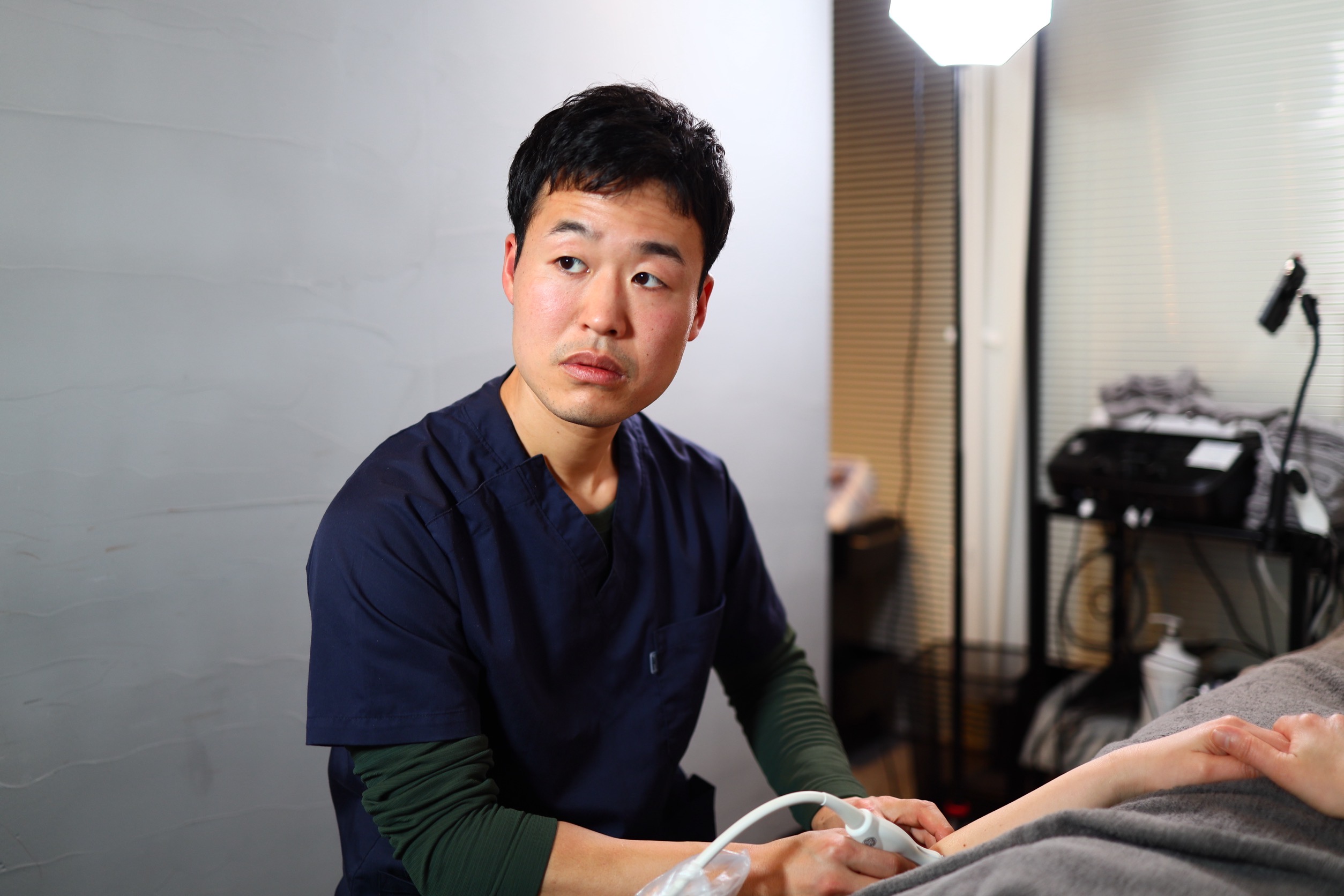
nWritten by Hidekazu Kuwabara, Registered Physiotherapist (BIG-registered, Amsterdam)
Hidekazu has over 10 years of clinical experience in physiotherapy and acupuncture. He specialises in musculoskeletal pain, sports injuries, and integrative East-West medicine at Alter Physio & Acupuncture, Amsterdam.
Disclaimer: This article is for informational purposes only and does not constitute medical advice. Always consult a qualified healthcare professional before making decisions about your health or treatment.
