


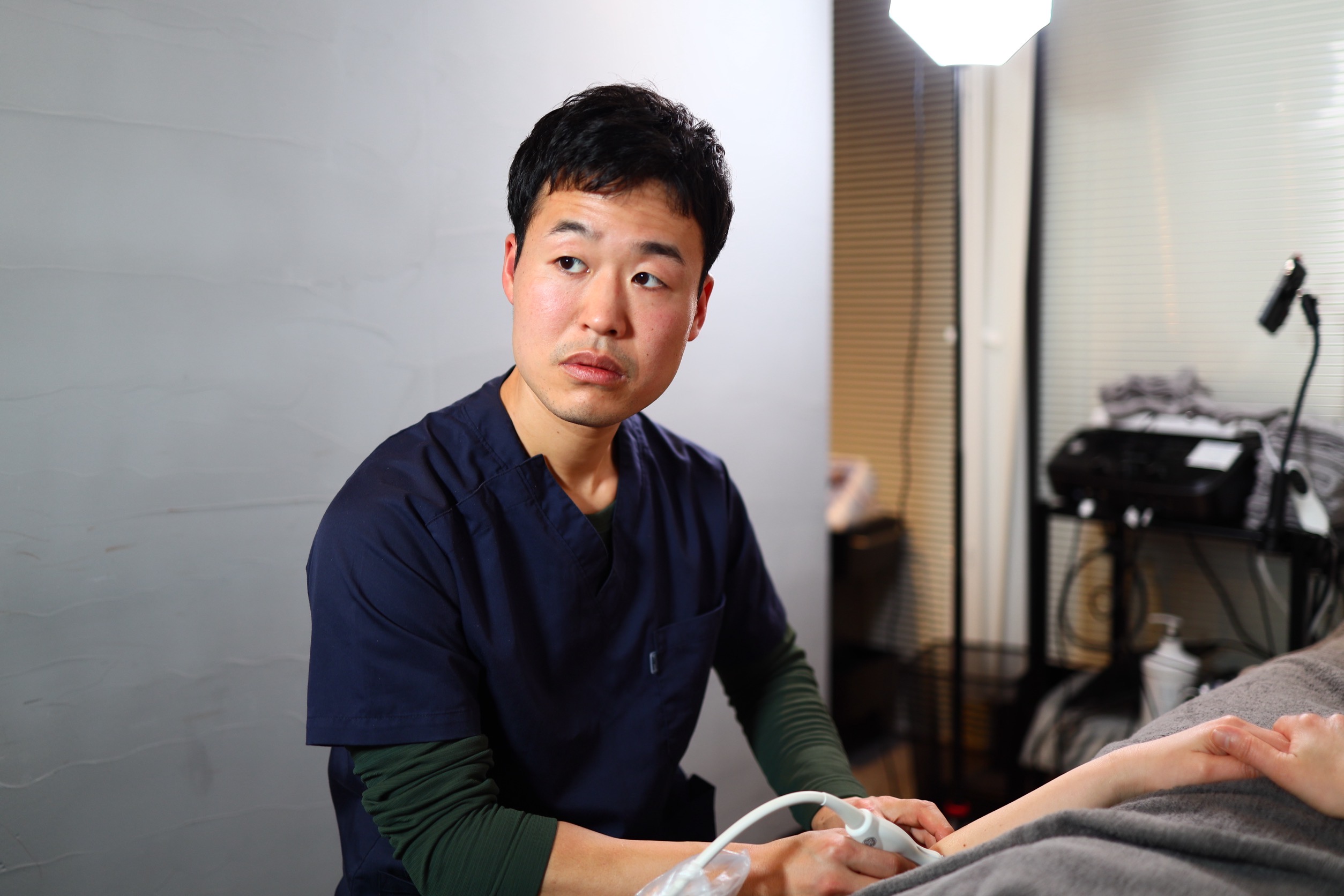

Kiiko style acupuncture is one of the most distinctive modern Japanese approaches in clinical practice today. It combines pressure-palpation diagnosis with immediate feedback testing to confirm results on the spot.
In addition, this method is shaping how Japanese acupuncture is taught worldwide. At AlterPhysio Amsterdam, we integrate elements of this style into our daily clinical work.
Who Is Kiiko Matsumoto?
Kiiko Matsumoto is a Boston-based Japanese acupuncturist with international recognition. She trained directly under giants such as Yoshio Manaka and Kiyoshi Nagano.
Moreover, she has spent decades synthesizing classical Japanese theory with modern Western clinical needs. Her work bridges traditional palpation art and contemporary research integration.
A Modern Lineage from Manaka and Nagano
Yoshio Manaka pioneered ion-pumping cords and the octahedral diagnostic model. Kiyoshi Nagano developed elegant systems for treating circulatory and immune issues.
Furthermore, Kiiko absorbed both lineages and added her own clinical observations. As a result, her style feels rooted in Japan yet fully adapted to today’s patients.
The Core Method: Palpation, Test, Confirm
The heart of kiiko style acupuncture is a three-step clinical loop. Palpation reveals the problem, a reflex point tests the hypothesis, and treatment effect is confirmed instantly.
Step One: Pressure-Palpation Diagnosis
The practitioner palpates the abdomen, neck, and scalp to find tender or reactive zones. These zones map to specific organ systems and meridian patterns.
In addition, the patient gives direct feedback about pressure and pain. This shared diagnostic dialogue makes the session feel collaborative rather than passive.
Step Two: Immediate Reflex Point Test
Once a reactive zone is found, the practitioner presses a distal reflex point. If the abdominal tenderness softens under that pressure, the point is confirmed.
Moreover, this real-time check avoids guesswork. Therefore, only points that actually change the body are needled in that session.
Step Three: Confirm Effect on the Spot
After needling, the same diagnostic zones are re-palpated immediately. The change becomes the objective marker of treatment success.
As a result, both patient and therapist feel the shift during the visit. This builds confidence and accelerates clinical decision-making.
What Makes Kiiko Style Unique
Several technical features set kiiko style acupuncture apart from other Japanese schools. Each one prioritizes gentleness, precision, and live verification.
Micro-Needling and Gentle Insertion
Needles are extremely thin and inserted very shallowly. Many patients barely feel the contact at all.
Furthermore, this gentleness makes the style ideal for needle-sensitive patients. Children, elderly clients, and post-stroke patients tolerate it very well.
Immediate Palpatory Feedback
Every needle is selected because it changes a reactive zone under the practitioner’s fingers. Nothing is needled blindly or by formula alone.
Notably, this makes each session highly individualized. Two patients with the same diagnosis may receive completely different point combinations.
Reflex Zones She Developed
Kiiko refined and named several reflex-zone systems used by practitioners globally. The three most important are abdominal, neck, and scalp maps.
Additionally, these zones allow rapid screening of organ function and autonomic balance. Therefore, even short sessions yield rich diagnostic information.
Conditions Where Kiiko Style Excels
The style is especially strong for complex internal and neurological patterns. Patients often come after trying other therapies without lasting relief.
Digestive Complaints
Bloating, reflux, IBS, and food sensitivities respond well to abdominal-reflex work. The abdominal map reveals exactly which organ system is overloaded.
Moreover, results are often felt within the same week. Patients describe lighter digestion and steadier energy after meals.
Women’s Health and Hormonal Patterns
Painful periods, PMS, fertility support, and perimenopause symptoms fit this style well. Reactive abdominal zones often shift dramatically within a few sessions.
Furthermore, the gentle needling suits sensitive nervous systems. Therefore, women in fertility cycles or pregnancy preparation feel safe receiving treatment.
Autonomic and Stress-Related Issues
Burnout, insomnia, anxiety, and chronic fatigue respond strongly to scalp and neck-reflex work. The autonomic nervous system shifts visibly during the session.
In addition, patients often report immediate calming after the first needles. As a result, this style fits perfectly into modern integrative care.
Post-Stroke and Neurological Recovery
Kiiko’s scalp protocols are widely used in stroke rehabilitation worldwide. Gentle needling stimulates cortical zones without overwhelming the patient.
Moreover, the immediate-feedback model lets the team see motor or sensory changes within the session. Therefore, treatment plans can be adjusted week by week.
Kiiko Style vs Toyohari: Two Modern Japanese Branches
Both styles are gentle, palpation-based, and rooted in Japanese tradition. However, they differ in philosophy and clinical emphasis.
You can read our deep dive on the contact-needle tradition in our Toyohari meridian therapy article.
Toyohari: Classical Pulse-Driven Tradition
Toyohari relies heavily on pulse diagnosis and often uses non-inserted contact needling. Its theory base is deeply classical and lineage-bound.
Furthermore, Toyohari practitioners train in tight peer-study groups in Japan. The style values subtle qi regulation above all else.
Kiiko Style: Contemporary and Research-Integrated
Kiiko style is more contemporary and more US-influenced in its research integration. It openly draws on Western anatomy, neurology, and functional medicine.
Additionally, the focus is on observable, palpable change within the session. Therefore, it appeals strongly to evidence-minded patients and clinicians.
For a broader comparison, see our overview on Japanese versus Chinese acupuncture in Amsterdam.
How AlterPhysio Applies Kiiko Style in Amsterdam
At AlterPhysio, we draw on Kiiko-style palpation and reflex-zone testing within an integrated treatment model. Our acupuncturists combine these tools with physiotherapy reasoning.
Moreover, this matches how the style is practiced internationally. Read more about our Japanese acupuncture services in Amsterdam.
Integrated Diagnostic Workflow
A first visit usually starts with a physiotherapy-style intake. Then the acupuncturist palpates abdomen, neck, and scalp to map reactive zones.
Furthermore, this layered approach uncovers structural and internal drivers together. Therefore, treatment plans address root patterns, not only symptoms.
Our Acupuncture Team
Our Japanese-trained acupuncturist Haruki Sakai brings palpation-based methods into every session. His training reflects modern Japanese clinical thinking.
In addition, he collaborates closely with the physiotherapy team for shared cases. As a result, patients receive a truly integrated plan under one roof.
What to Expect in Your First Session
Sessions last around sixty minutes and feel calm, conversational, and gentle. You will be asked to give feedback on pressure and sensation throughout.
Moreover, you will often feel changes during the session itself. Therefore, you leave with a clear sense of whether the approach suits you.
Conclusion: A Modern Japanese Method Worth Exploring
Kiiko style acupuncture offers a precise, gentle, and verifiable path into Japanese medicine. It is especially valuable for digestion, gynaecology, autonomic balance, and neurological recovery.
If you are curious whether this style fits your situation, contact our Amsterdam clinic to book a consultation. We will assess, palpate, and explain everything before any needle is used.
nWritten by Hidekazu Kuwabara, Registered Physiotherapist (BIG-registered, Amsterdam)
Hidekazu has over 10 years of clinical experience in physiotherapy and acupuncture. He specialises in musculoskeletal pain, sports injuries, and integrative East-West medicine at Alter Physio & Acupuncture, Amsterdam.
Disclaimer: This article is for informational purposes only and does not constitute medical advice. Always consult a qualified healthcare professional before making decisions about your health or treatment.
