


Waking up with one side of your face frozen is frightening. Bell’s palsy strikes suddenly, and most patients in Amsterdam first call their GP. However, many also ask whether bells palsy acupuncture can speed recovery. This guide explains the condition, the standard Dutch medical pathway, and where facial acupuncture genuinely fits. Moreover, we will cover timing, points, session frequency, and realistic outcomes so you can make an informed choice.
What is Bell’s palsy?
Bell’s palsy is an acute, peripheral weakness of the seventh cranial nerve (CN VII). In most cases, the cause is viral, often linked to herpes simplex reactivation. Consequently, the nerve swells inside its bony canal, and signals to the facial muscles fail. As a result, one side of the face droops within hours.
Typical symptoms include a drooping mouth corner, an eye that will not close, loss of forehead wrinkling, and sometimes altered taste or sound sensitivity. Furthermore, the onset is usually overnight or over 24–48 hours. Importantly, Bell’s palsy is a diagnosis of exclusion. Therefore, your GP will rule out stroke, Lyme disease, and other causes first.
The standard medical pathway in the Netherlands
If you suspect Bell’s palsy, your first step should always be your huisarts. The Dutch NHG guideline is clear. First, oral corticosteroids (usually prednisolone) should start within 72 hours of onset. Second, antivirals may be added in moderate or severe cases. Third, eye protection is essential because the eye cannot close properly.
This early window matters. In short, steroids reduce nerve swelling when nerve inflammation is at its peak. Therefore, do not delay GP contact to try acupuncture first. Instead, follow the standard pathway, and then consider acupuncture as an adjunct.
Where does acupuncture fit?
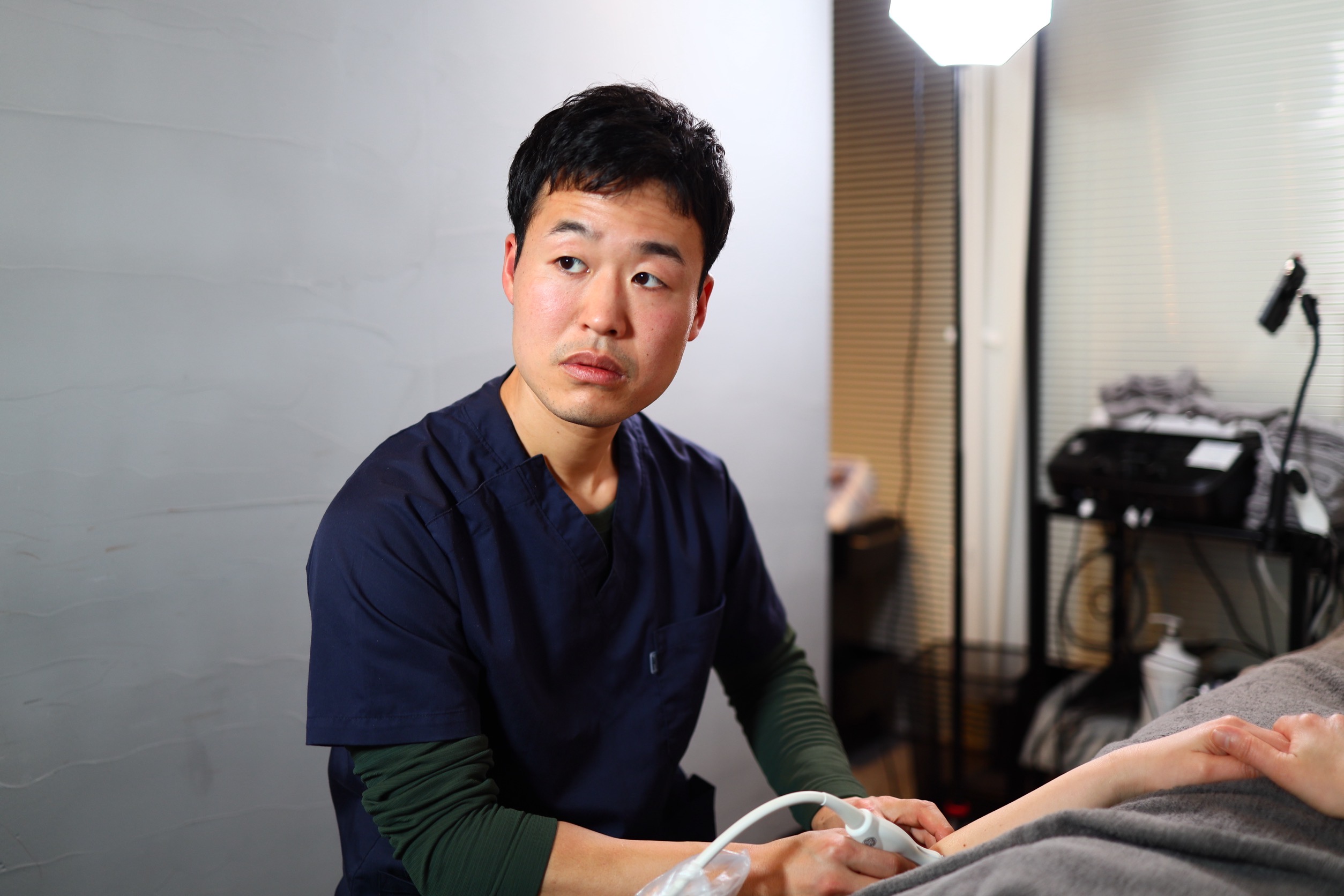
At our acupuncture clinic in Amsterdam, we are clear with every Bell’s palsy patient. Acupuncture is a complement, not a replacement, for medical care. Specifically, it works alongside steroids, facial exercises, and eye protection. In addition, it gives the nervous system regular sensory input to the affected side during recovery.
Patients often ask why we suggest acupuncture rather than only home exercises. The reason is simple. Needles stimulate motor and sensory pathways that voluntary effort cannot reliably reach in the first weeks. Moreover, gentle stimulation may reduce residual asymmetry later on.
What does the evidence say?
The research picture is cautious but encouraging. Cochrane reviews on acupuncture for Bell’s palsy have consistently noted methodological limitations in older trials. Nevertheless, more recent reviews lean cautiously positive when acupuncture is combined with standard care. In particular, combined treatment appears to improve recovery rates and may shorten time to full function.
It is important to keep perspective, however. Around 80% or more of Bell’s palsy cases recover fully with or without acupuncture. Therefore, the realistic benefit of acupuncture is not miraculous reversal. Rather, it is potentially faster recovery and less residual asymmetry in the muscles around the mouth and eye.
Timing: when should you start acupuncture?
Timing is one of the most important clinical decisions. In the hyperacute phase (days 0–7), the nerve is still inflamed, and aggressive stimulation may be counterproductive. Consequently, we usually wait. Meanwhile, the patient continues steroids and protects the eye.
The subacute phase (roughly 1–3 weeks after onset) is our preferred starting window. By then, inflammation has settled, and the nerve is ready to receive structured input. In addition, this is when many patients first notice that progress has plateaued. Therefore, acupuncture support is most welcome at this point.
Late presentations (3–6 months or longer) are still treatable, although gains may be slower. In those cases, our goals shift toward reducing synkinesis, improving symmetry, and refining the small muscles around the smile and eye.
Points commonly used
Treatment is individualised, but several points appear in most Bell’s palsy protocols. For example, ST7 and ST6 sit over key facial muscles around the jaw and cheek. Similarly, ST4 targets the corner of the mouth, where drooping is most visible. Furthermore, GB14 above the eyebrow supports forehead and eye closure.
We also use Yintang between the eyebrows and selected scalp points to calm the system and support central motor control. In addition, LI4 on the hand is a classic distal point for the face and is included in nearly every session. The needles are very fine, and stimulation is gentle, especially in the early weeks.
For patients who are curious about the wider face protocol, our Japanese acupuncture approach uses the same fine, low-stimulation style. If you have previously had cosmetic acupuncture, the needling sensation will feel familiar, although the clinical goal is very different.
Course and session frequency
Bell’s palsy responds best to consistent, frequent input. Therefore, we typically recommend 2–3 sessions per week. In addition, we usually plan for a 6–12 week course. After that, we reassess and reduce frequency as recovery stabilises.
Each session lasts around 45–60 minutes. We start with brief assessment, then needle insertion, and finally short facial muscle re-education. We document recovery using the House-Brackmann scale at intervals, so progress is measurable rather than subjective.
Home work between sessions
Home practice matters as much as clinic visits. However, the rules are different from rehabilitating a knee or shoulder. Specifically, more is not better. Aggressive stretching and forceful grimacing can promote synkinesis, where muscles fire together that should fire separately.
Instead, we teach small, slow, mirror-guided movements. For instance, you practise gentle eye closure, a small symmetric smile, and soft forehead lifting. Furthermore, we coach you to stop a movement the moment the unaffected side starts overworking. As a result, the brain relearns isolated control rather than mass co-contraction.
If you also suffer from jaw stiffness or clenching during recovery, the jaw and face are closely connected. Therefore, our TMJ acupuncture article may be useful for understanding the wider picture.
Realistic outcomes
Let us be honest about expectations. The natural history of Bell’s palsy is favourable. Around 80–85% of patients recover full or near-full function within 3–6 months, regardless of treatment. Consequently, the question is not whether you will recover, but how completely and how quickly.
Acupuncture, in combination with steroids and exercises, may shorten time to recovery. Moreover, it may reduce subtle residual asymmetry, especially around the eye and mouth corner. This is particularly relevant for patients whose work involves speaking, presenting, or close client interaction.
For the small group of patients with incomplete recovery, ongoing acupuncture combined with targeted facial neuromuscular retraining remains a reasonable long-term option. Therefore, do not give up if you are still asymmetric at six months. There is still meaningful work that can be done.
Red flags: when acupuncture is not the answer
Some presentations require urgent medical reassessment rather than acupuncture. For example, weakness in the arm or leg alongside the face is not Bell’s palsy and may indicate stroke. Similarly, slow onset over weeks, severe ear pain with vesicles, or facial weakness after a tick bite needs further workup. In these cases, return to your GP first.
Booking and next steps
If your Bell’s palsy diagnosis is confirmed and you have started or completed steroid treatment, bells palsy acupuncture may be a useful next layer of care. At AlterPhysio Amsterdam, we coordinate with your GP rather than work in parallel without information. Furthermore, we share progress notes if helpful.
To start, please contact our Amsterdam clinic. We will ask about onset date, current medication, and your House-Brackmann grade if known. Then we will plan a realistic, evidence-informed treatment course. In the meantime, keep up your steroids, protect your eye, and start gentle mirror work at home.
Recovery from Bell’s palsy is usually a story with a good ending. With the right medical care, sensible timing, and supportive acupuncture, most patients return to a fully expressive face. Therefore, take a breath, follow the pathway, and give your nerve the structured input it needs.
nWritten by Hidekazu Kuwabara, Registered Physiotherapist (BIG-registered, Amsterdam)
Hidekazu has over 10 years of clinical experience in physiotherapy and acupuncture. He specialises in musculoskeletal pain, sports injuries, and integrative East-West medicine at Alter Physio & Acupuncture, Amsterdam.
Disclaimer: This article is for informational purposes only and does not constitute medical advice. Always consult a qualified healthcare professional before making decisions about your health or treatment.
