


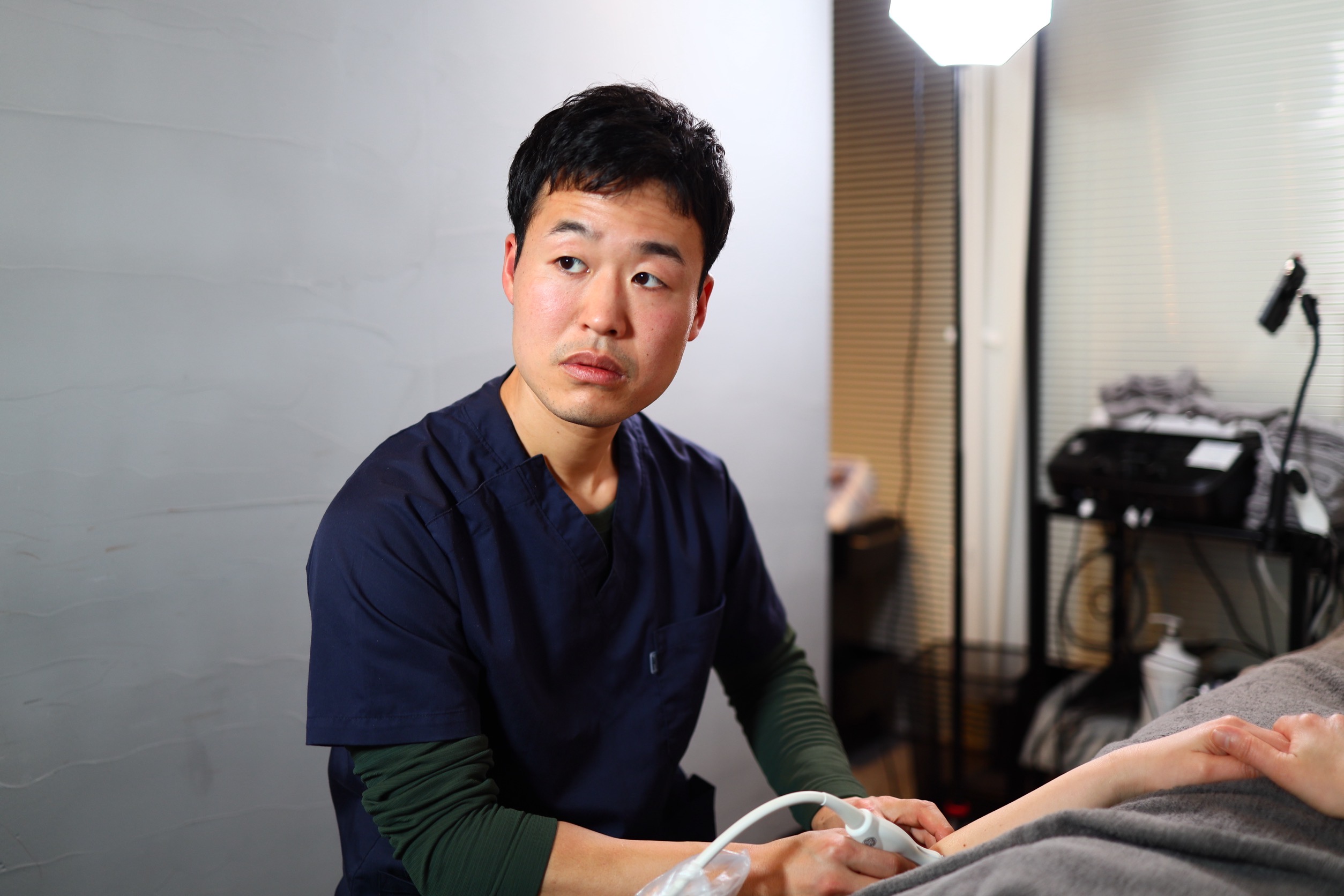

If the idea of needles makes you nervous, you are not alone. Many people in Amsterdam who consider acupuncture for the first time worry about the sensation. However, there is a quieter, gentler tradition that often surprises new patients: painless Japanese acupuncture.
At AlterPhysio, we use a Japanese style that prioritises comfort and precision. Moreover, we combine it with physiotherapy, so every session has a clear clinical goal. In this article, we will explain exactly why the needles feel different, both physically and neurologically.
Fear of Needles Is Normal, and It Deserves a Real Answer
First, let us be honest. Most patients flinch at the word “needle” because their last memory involves a blood test or a vaccine. Those needles are hollow, thick, and designed for liquid flow.
Acupuncture needles, in contrast, are solid and far thinner. Furthermore, Japanese acupuncture needles are the thinnest of all clinically used styles. Therefore, the typical sensory experience is dramatically different from anything you may have felt in a hospital setting.
Still, we never promise zero sensation. Instead, we focus on minimising discomfort while maximising the therapeutic effect. As a result, most patients describe their first session as “surprisingly calm” rather than painful.
The Physical Difference: Needle Diameter Matters More Than You Think
The main difference is measurable in millimetres. Japanese acupuncture needles usually range from 0.16 mm to 0.20 mm in diameter. In contrast, Chinese-style needles typically measure 0.25 mm to 0.30 mm or thicker.
That gap may seem small. However, the cross-sectional area roughly doubles between a 0.18 mm and a 0.25 mm needle. Consequently, the tissue displacement and the receptor activation are very different.
Why Thinner Needles Feel Lighter
Thinner needles pass between tissue fibres rather than pushing through them. As a result, fewer pain receptors are triggered. In addition, the skin entry is so quick that many patients do not even register the moment of insertion.
You can learn more about the practical setup on our Japanese acupuncture in Amsterdam page. Also, for a deeper comparison, see our overview of Japanese vs Chinese acupuncture.
Insertion Technique: The Guide Tube Makes a Real Difference
Japanese acupuncture relies on a small plastic guide tube. The tube holds the needle steady, and a single light tap inserts it through the skin. Therefore, the practitioner does not need to push hard or twist on entry.
Chinese-style acupuncture often uses freehand insertion. While that approach is effective, it usually requires firmer pressure. Consequently, the initial sensation tends to be stronger.
Surface Palpation Before Every Needle
Before any needle goes in, our acupuncturists palpate the area carefully. They feel for subtle changes in tone, temperature, and texture. Then, they place the needle exactly where the tissue tells them to.
This palpation-driven approach is central to how Haruki Sakai and Soichiro Funo work. Moreover, it reflects classical Japanese training, which treats the hands as the primary diagnostic instrument.
Often Subcutaneous, Rarely Deep
Many Japanese techniques stay just below the skin. In other words, the needle sits in the subcutaneous layer rather than reaching into muscle. Therefore, the depth of insertion is often only 2 to 5 millimetres.
The Neurological Why: Less Nociception, More Regulation
The nervous system explains why thinner needles feel calmer. Nociceptive fibres respond strongly to mechanical pressure and tissue damage. However, thin needles cause minimal mechanical disruption.
Instead, the input shifts toward proprioceptive and interoceptive pathways. These pathways signal body position, tone, and internal balance. Consequently, the brain often interprets the input as regulatory rather than threatening.
The Parasympathetic Shift
Many patients notice a drop in heart rate during treatment. In addition, breathing slows and the shoulders soften. This response reflects parasympathetic activation, which the autonomic nervous system controls.
Because thinner needles do not trigger a stress response, the body can settle. As a result, patients often describe a deep, almost meditative calm. Furthermore, this state itself supports recovery from chronic tension and overload.
Who Benefits Most From Japanese Acupuncture
Painless Japanese acupuncture is not just for the squeamish. Certain groups respond especially well to the gentler input. Below are the patients we see most often at our Amsterdam clinic.
Needle-Sensitive Adults
Some people have a strong physiological reaction to even small stimuli. For them, traditional Chinese needling can feel overwhelming. However, Japanese needles often slip in below their threshold of awareness.
Children and Teenagers
Japanese pediatric acupuncture, called shonishin, uses non-insertive tools and very superficial needles. As a result, children often look forward to sessions. Moreover, the technique works well for sleep, digestion, and mood concerns.
Autonomic and Stress-Related Conditions
Patients with migraines, IBS, insomnia, or burnout often benefit from a parasympathetic-leaning approach. Indeed, the goal is regulation rather than stimulation. Therefore, gentler input usually produces better long-term results in these cases.
AlterPhysio’s Integrated Approach
Our clinic blends Japanese acupuncture with hands-on physiotherapy. First, we assess the whole movement system. Then, we identify which restrictions, patterns, or tissues need attention.
Next, the acupuncturist palpates the relevant zones in detail. Subsequently, they choose points that target the root cause rather than chasing symptoms. As a result, each session has a measurable physiotherapeutic aim.
Because we combine modalities, treatment plans are often shorter. Furthermore, patients can transition between manual therapy, exercise guidance, and acupuncture without leaving the building. Above all, the care stays coherent across visits.
An Honest Comparison: Chinese Acupuncture Still Has Its Place
Thinner is not automatically better. Chinese-style acupuncture has thousands of years of refinement behind it. Moreover, it remains the preferred choice for many conditions.
Some patients need a stronger sensation to feel a real shift. In traditional terms, that sensation is called “de qi.” Indeed, deeper needling can mobilise stuck patterns more directly in certain musculoskeletal cases.
Therefore, we never claim that one style is superior. Instead, we match the technique to the patient. If you respond better to firmer input, a Chinese-trained practitioner may serve you well.
What to Expect at Your First Session in Amsterdam
Your first visit begins with a conversation, not a needle. We map your history, your goals, and your sensitivities. Then, we explain exactly what will happen.
Next, the acupuncturist palpates the relevant areas. Afterwards, they place a small number of needles and leave them for 10 to 20 minutes. Most patients drift into a calm, drowsy state during this time.
If you would like to meet the team before booking, read more about Haruki Sakai or visit our main treatment page. Above all, take your time. The right session starts with the right conversation.
nWritten by Hidekazu Kuwabara, Registered Physiotherapist (BIG-registered, Amsterdam)
Hidekazu has over 10 years of clinical experience in physiotherapy and acupuncture. He specialises in musculoskeletal pain, sports injuries, and integrative East-West medicine at Alter Physio & Acupuncture, Amsterdam.
Disclaimer: This article is for informational purposes only and does not constitute medical advice. Always consult a qualified healthcare professional before making decisions about your health or treatment.
Related Articles
- Kiiko Matsumoto Style: Palpation-Based Japanese Acupuncture Explained
- Shonishin: Gentle Japanese Pediatric Acupuncture (No Needle Insertion)
- Hara Diagnosis: Why Japanese Acupuncturists Press Your Belly
Written by Hidekazu Kuwabara, Registered Physiotherapist (BIG-registered, Amsterdam)
Hidekazu has over 10 years of clinical experience in physiotherapy and acupuncture. He specialises in musculoskeletal pain, sports injuries, and integrative East-West medicine at Alter Physio & Acupuncture, Amsterdam.
Disclaimer: This article is for informational purposes only and does not constitute medical advice. Always consult a qualified healthcare professional before making decisions about your health or treatment.

