


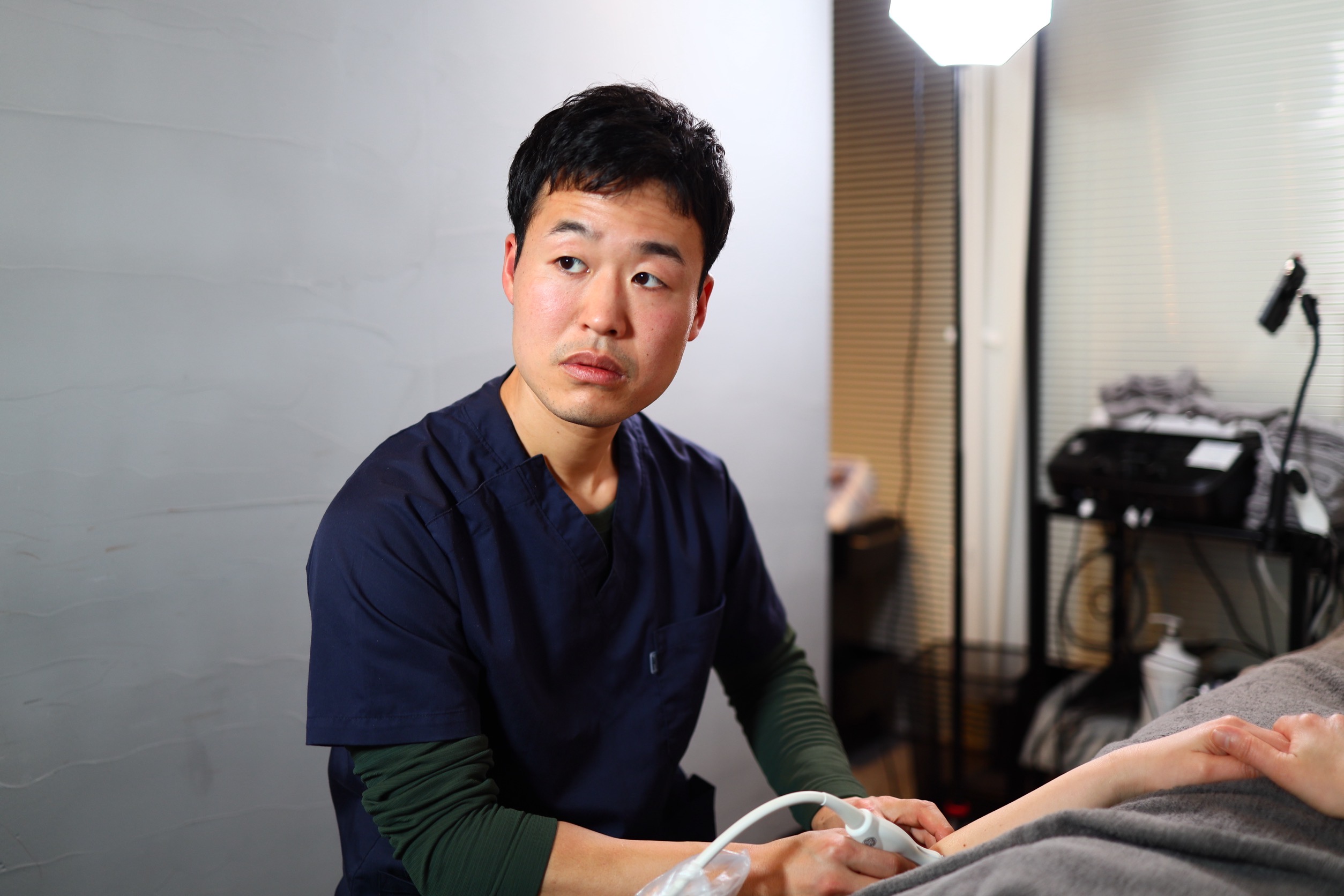

A first physio appointment can feel unfamiliar, especially if you are new to the Dutch system. Furthermore, bringing the right items saves time and helps your therapist build a clear picture. This short guide explains exactly what to bring and why.
At our Amsterdam clinic, the first session combines a focused interview, movement testing, and an initial treatment. Therefore, good preparation lets us spend more minutes on hands-on care. Below is the checklist we share with every new patient.
1. Your ID and Insurance Card
Always bring a passport, ID card, or residence permit. Additionally, take a photo of your Dutch insurance card front and back. This lets the receptionist verify direct billing on the spot.
If you do not yet have Dutch insurance, that is fine. However, you will then pay the full self-pay rate, listed on our pricing page. International travel insurance sometimes reimburses physio retroactively.
2. Referral Letter (Optional)
In the Netherlands you do not need a GP referral for physiotherapy. Specifically, direct access has been standard since 2006. Therefore, walk-in care is fully legal and reimbursed.
However, if a GP, specialist, or surgeon already wrote a letter, bring it. Moreover, post-surgical patients should bring discharge summaries and imaging notes. This helps your physiotherapist understand exactly what was repaired.
3. Imaging Results: X-Ray, MRI, Echo
If you had an MRI, X-ray, or ultrasound, bring the full written report. Additionally, the actual images on CD or via patient portal are useful. Dutch hospitals usually share scans through MijnZGT, MijnAVL, or HiX.
Foreign scans are equally welcome, but a translated summary helps. Therefore, ask the original radiologist for an English version if possible. Your physiotherapist will interpret findings in the context of your symptoms.
4. Medication List and Health History
Write down all medications you currently take, including supplements. Furthermore, mention recent injections such as cortisone, hyaluronic acid, or PRP. These influence treatment timing and intensity.
Also list past surgeries, fractures, and major illnesses. Consequently, your therapist can rule out red flags faster. Diabetes, blood thinners, and autoimmune conditions all affect how we treat soft tissue.
5. Suitable Clothing
Wear or bring clothing that allows access to the painful area. Specifically, shorts work well for hip, knee, and back complaints. A sports top suits shoulder, neck, or upper-back issues.
If you forget, the clinic provides clean disposable shorts. However, your own clothes are more comfortable for movement testing. We expect to see how your joints move, not just where they hurt.
6. A Note of Your Symptoms
Two days before the appointment, jot down when the pain started and what triggers it. Moreover, note which activities make it better or worse. Even a short phone note saves several minutes of interview time.
Rate your pain on a 0 to 10 scale at rest and during your worst activity. Consequently, we have a clear baseline to track improvement. This also helps if you switch therapists later.
7. Goals and Sport-Specific Demands
Think about what you want to do again. For example, return to running, lift heavy, sleep through the night, or sit at a desk without ache. Specific goals shape the treatment plan.
Bring training data if relevant, such as weekly mileage, lifting numbers, or Garmin load. Therefore, we can match exercises to your actual demands. Read more on the physiotherapy page about goal setting.
8. Footwear, Orthotics, and Equipment
For lower-limb complaints, bring the shoes you wear most. Furthermore, include running shoes, work shoes, and any custom orthotics. Wear patterns alone reveal gait habits worth correcting.
Cyclists can bring saddle measurements or photos of their bike setup. Likewise, climbers can show their shoe size and route grade. Small details often explain large symptoms.
9. An Open, Calm Mindset
The first session lasts 45 to 60 minutes and can feel intense. Therefore, arrive five minutes early and avoid heavy meals just before. Hydrate well in the hours leading up to your slot.
You may experience mild soreness afterwards, especially after manual therapy or needling. This usually clears within 24 hours. We will explain what to expect before any technique starts.
10. Questions You Want Answered
Write down two or three questions in advance. Moreover, ask about prognosis, frequency, exercises, and self-care. Patients who ask questions usually recover faster.
If you are unsure whether physio is the right starting point, check our FAQ. Some complaints respond better to integrated care including acupuncture.
What Happens After the First Visit
You leave with a working diagnosis, a short home programme, and a follow-up plan. Specifically, most patients need three to six sessions in total. We re-evaluate every fourth visit and adjust as needed.
Expats often combine physio with integrated acupuncture to shorten recovery. For booking and direct billing details, see our expat physio page.
Final Thoughts
A well-prepared first appointment sets the tone for the whole treatment course. Therefore, bring your ID, scans, notes, and clothing, and arrive with clear goals. The rest is our job.
If anything is unclear, contact us through the contact page before your visit. Calm, factual preparation almost always speeds up recovery.
nWritten by Hidekazu Kuwabara, Registered Physiotherapist (BIG-registered, Amsterdam)
Hidekazu has over 10 years of clinical experience in physiotherapy and acupuncture. He specialises in musculoskeletal pain, sports injuries, and integrative East-West medicine at Alter Physio & Acupuncture, Amsterdam.
Disclaimer: This article is for informational purposes only and does not constitute medical advice. Always consult a qualified healthcare professional before making decisions about your health or treatment.
Related Articles
- Zorgtoeslag and Healthcare Costs: A Newcomer’s First-Year Checklist
- Rotator Cuff Injury Amsterdam: Physiotherapy for Shoulder Recovery
- Why Dutch GPs Send You Home with Paracetamol — and What to Do Next
Written by Hidekazu Kuwabara, Registered Physiotherapist (BIG-registered, Amsterdam)
Hidekazu has over 10 years of clinical experience in physiotherapy and acupuncture. He specialises in musculoskeletal pain, sports injuries, and integrative East-West medicine at Alter Physio & Acupuncture, Amsterdam.
Disclaimer: This article is for informational purposes only and does not constitute medical advice. Always consult a qualified healthcare professional before making decisions about your health or treatment.

