


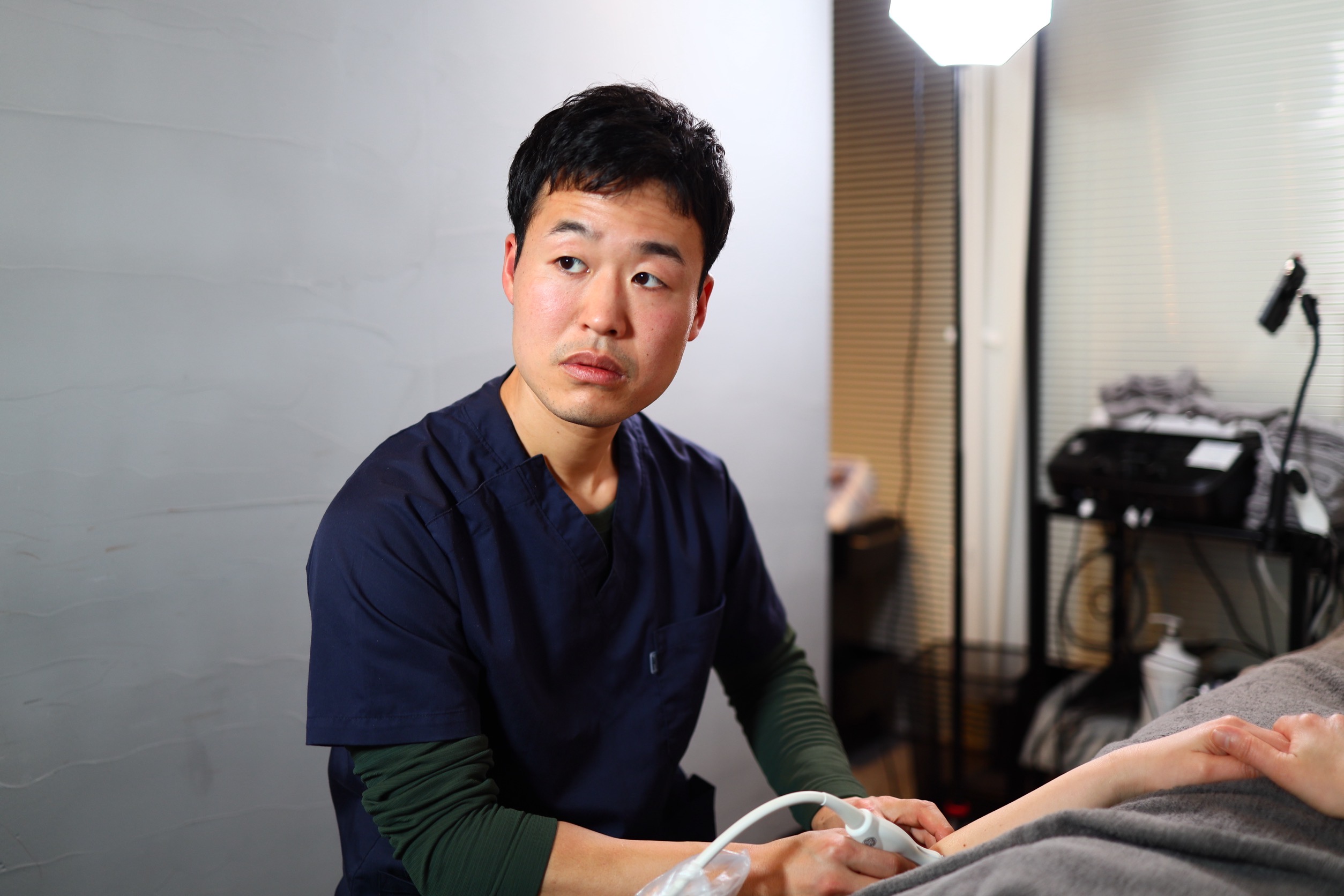

Acupuncture comes in many styles, and patients often ask which one suits them best. Furthermore, two of the most distinct traditions are Five-Element and Japanese Meridian Therapy. Both share roots in classical Chinese medicine, yet they feel very different on the table.
At our Amsterdam clinic we mainly use Japanese-style acupuncture, but we explain both approaches openly. Therefore, this guide compares them clearly, so you can choose with confidence. The two styles are not rivals; they answer different clinical questions.
A Brief History of Each Tradition
Five-Element acupuncture was popularised in the West by J.R. Worsley in the 1960s. Specifically, it draws on Classical Chinese texts and emphasises elemental imbalances. The style spread quickly through the UK and the US.
Japanese Meridian Therapy developed in Japan during the 1930s. Moreover, blind acupuncturists refined palpation as the central diagnostic tool. Names like Yanagiya Sorei and Fukushima Kodo shaped its modern form.
Diagnostic Frameworks Compared
Five-Element practitioners look for a Causative Factor among Wood, Fire, Earth, Metal, and Water. Therefore, the patient’s primary imbalance becomes the guiding compass for every session. Pulse, colour, sound, and odour all inform the diagnosis.
Japanese Meridian Therapy emphasises hara (abdominal) and pulse diagnosis. Additionally, the practitioner palpates meridian pathways to find areas of deficiency or excess. The framework is more pattern-based and less archetypal.
Needle Technique and Patient Sensation
Japanese-style needling uses very thin needles, often 0.12 to 0.18 millimetres. Furthermore, insertion depth is shallow, frequently only a few millimetres. Many patients barely feel the needles.
Five-Element practitioners often use slightly thicker needles inserted to standard depths. Moreover, they emphasise the arrival of qi sensation, called de-qi. Therefore, the experience can feel more pronounced.
Use of Moxibustion
Japanese Meridian Therapy uses moxibustion extensively. Specifically, small rice-grain moxa cones warm specific points to tonify deficiency. The technique is precise and gentle.
Five-Element acupuncturists also use moxa, often via direct cones for treating spirit-level imbalance. Consequently, both schools share a respect for warmth as therapy. However, the dose and intention differ.
Session Length and Frequency
Five-Element sessions usually last 60 to 90 minutes, with deep emotional engagement. Therefore, patients often come fortnightly during the acute phase. Treatment plans evolve over months.
Japanese sessions tend to be 45 to 60 minutes, with weekly or fortnightly visits. Moreover, treatment is iterative and responsive to subtle changes in pulse and hara. Read more on the acupuncture page.
Clinical Strengths of Five-Element
Five-Element shines in emotional, psychosomatic, and spirit-level imbalances. Specifically, anxiety, grief, burnout, and chronic life-stage transitions respond well. The framework gives patients a meaningful narrative.
Patients often describe an unfolding sense of self during treatment. Therefore, the style suits those drawn to reflective work. It can also support physical conditions through whole-system rebalance.
Clinical Strengths of Japanese Meridian Therapy
Japanese-style work excels in musculoskeletal pain, post-injury recovery, and sports performance. Moreover, the shallow needling integrates beautifully with physiotherapy. Many patients feel immediate softening of tissue tone.
The style also fits well into integrated care pathways. Consequently, we use it alongside manual therapy for hip, neck, and shoulder problems. See the integrated care page for examples.
Which Style for Which Patient
For tendinopathy, post-surgical stiffness, and overuse injuries, Japanese is often the better fit. Furthermore, expats with busy work schedules appreciate its efficient, gentle sessions. The needles feel like nothing yet shift symptoms quickly.
For burnout, anxiety, fertility, and emotional grief, Five-Element offers a deeper narrative arc. Therefore, both styles complement modern medicine when used appropriately.
What the Evidence Says
Modern acupuncture research mostly studies generalised needling rather than specific styles. Specifically, evidence supports acupuncture for low back pain, migraine, knee osteoarthritis, and chronic neck pain. Both Five-Element and Japanese approaches sit within this broader evidence base.
Mechanistic studies show effects on autonomic balance, endogenous opioids, and connective tissue. Therefore, style differences likely modulate experience and adherence more than core biology. Both schools deliver measurable change.
Pain Sensitivity and Style Choice
Patients with strong needle aversion usually prefer Japanese-style work. Moreover, post-trauma patients often find the gentleness comforting. The shallow insertion respects nervous-system sensitivity.
Those who want clear de-qi sensation may prefer Five-Element. Consequently, the choice is partly about sensory preference. We always test tolerance with a single needle first.
Cost and Insurance Reimbursement
Both styles cost similar amounts in the Netherlands, depending on session length. Furthermore, supplementary health insurance reimburses both when the therapist is registered with NVA or ZHONG. See the pricing page for current rates.
Expats can check policies via Zorgwijzer. Moreover, our expat physio page explains direct billing and reimbursement clearly.
Combining Styles in One Care Plan
Some experienced practitioners blend both traditions. Specifically, they use Japanese palpation for diagnosis and Five-Element selection for treatment goals. The combination can be powerful but requires deep training.
At AlterPhysio we work primarily in the Japanese tradition with selective Five-Element insights. Consequently, you get clinical precision plus a holistic narrative when needed.
What a First Session Looks Like
The first session includes a detailed interview, pulse and hara diagnosis, and a trial treatment. Moreover, we discuss your goals openly. Patients leave with a plan and a sense of the chosen style.
For practical preparation, follow the same checklist as for physiotherapy. Therefore, see the FAQ for booking, language, and clothing guidance.
Common Misconceptions
Many people assume Japanese-style is “weaker” because the needles are thinner. However, gentleness does not equal lower effect. Many studies show shallow insertion produces equally robust neurological response.
Others believe Five-Element is purely emotional, with no physical effect. In reality, the framework treats the whole person, body included. Both schools are clinically serious.
How to Choose for Your First Visit
Ask yourself why you are seeking acupuncture. Specifically, if pain or injury dominates, Japanese-style is usually best. If emotional themes dominate, Five-Element may resonate more.
You can also book a consultation to discuss without committing. Therefore, contact us via the contact page for a calm conversation about fit.
Final Thoughts
Five-Element and Japanese Meridian acupuncture are siblings, not opposites. Therefore, the right choice depends on your goals, sensitivity, and clinical picture. Both styles can deliver real, measurable improvement.
Our Amsterdam team explains every step in plain language. Consequently, you make an informed decision and feel supported throughout. Read more on the acupuncture page or book directly via contact.
nWritten by Hidekazu Kuwabara, Registered Physiotherapist (BIG-registered, Amsterdam)
Hidekazu has over 10 years of clinical experience in physiotherapy and acupuncture. He specialises in musculoskeletal pain, sports injuries, and integrative East-West medicine at Alter Physio & Acupuncture, Amsterdam.
Disclaimer: This article is for informational purposes only and does not constitute medical advice. Always consult a qualified healthcare professional before making decisions about your health or treatment.
Related Articles
- What Are Toyohari and Meridian Therapy? A Japanese Acupuncture Primer
- Kiiko Matsumoto Style: Palpation-Based Japanese Acupuncture Explained
- Shonishin: Gentle Japanese Pediatric Acupuncture (No Needle Insertion)
Written by Hidekazu Kuwabara, Registered Physiotherapist (BIG-registered, Amsterdam)
Hidekazu has over 10 years of clinical experience in physiotherapy and acupuncture. He specialises in musculoskeletal pain, sports injuries, and integrative East-West medicine at Alter Physio & Acupuncture, Amsterdam.
Disclaimer: This article is for informational purposes only and does not constitute medical advice. Always consult a qualified healthcare professional before making decisions about your health or treatment.

