


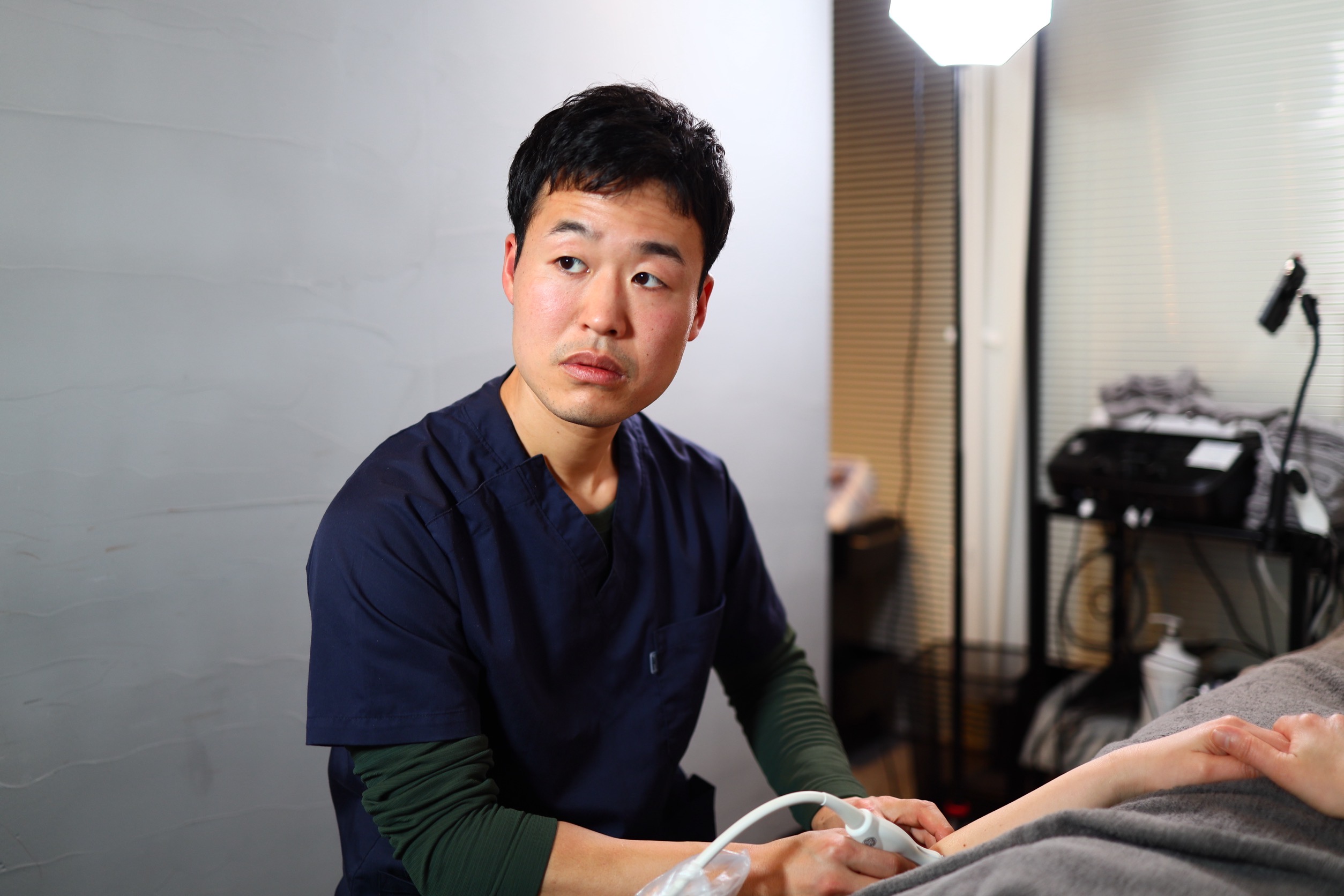

Why Toyohari Meridian Therapy Deserves Your Attention
Toyohari meridian therapy is one of the most refined branches of Japanese acupuncture in Amsterdam. It blends sensitive palpation with very gentle needling.
In addition, it grew from a unique blind-practitioner tradition in Japan. As a result, the method depends heavily on touch rather than visual diagnosis.
This article explains what Toyohari is, how it differs from Chinese styles, and where it fits at AlterPhysio. Moreover, it shows why sensitive patients often respond so well.
The Origins: The Toyohari Association and Meridian Therapy
A Blind and Sighted Practitioner Lineage
Toyohari means “East Asian Needle Therapy.” It is taught by the Toyohari Association, often called the Eastern Acupuncture Association.
Furthermore, the system was developed in 1959 by Kodo Fukushima. He was a blind acupuncturist who refined the work of earlier Meridian Therapy masters.
Today the association trains both blind and sighted practitioners worldwide. Notably, this dual lineage shaped a system where the fingertips guide every decision.
Meridian Therapy as the Core Framework
Meridian Therapy, or Keiraku Chiryo, is the diagnostic backbone of Toyohari. It focuses on the balance of the 14 main meridians.
In addition, it groups patterns into four classic types: Liver, Spleen, Lung, and Kidney deficiency. Therefore, the diagnosis is simpler and more practical than many Chinese frameworks.
The practitioner palpates the pulse, abdomen, and channels carefully. As a result, the body itself tells the therapist where to work.
The Canonical 6-Step Toyohari Treatment
Step 1: Listening and Looking
The session begins with a relaxed conversation. The therapist also observes posture, breathing, and skin tone.
Moreover, this stage builds trust and clarifies the main complaint. It only takes a few minutes but shapes everything that follows.
Step 2: Pulse and Abdominal Diagnosis
Next, the practitioner reads the radial pulses on both wrists. They also palpate the abdomen, known as hara, with light precision.
Furthermore, this step identifies the primary deficiency pattern. As a result, every needle that follows has a clear purpose.
Step 3: Root Treatment (Honchiho)
The root treatment addresses the underlying meridian imbalance. The therapist selects just a few points on the arms and legs.
In addition, the needles are extremely thin and barely insert into the skin. Therefore, most patients feel only a gentle warmth or tingling.
Step 4: Re-Checking the Pulse
After the root treatment, the pulse is checked again. The practitioner confirms that the balance has shifted in the right direction.
Moreover, this constant feedback loop is a hallmark of Toyohari. It ensures the treatment adapts in real time to the body.
Step 5: Branch Treatment (Hyochiho)
The branch treatment then targets the local symptoms. These may include shoulder tension, low back pain, or headaches.
Furthermore, tools like the teishin or enshin are often used here. As a result, the skin is tapped or stroked rather than punctured.
Step 6: Closing and Integration
Finally, the therapist closes specific points to lock in the change. They also give the body a few minutes of quiet rest.
In addition, brief breathing or postural advice may be shared. Therefore, the benefits continue well after the session ends.
Why Non-Insertion and Ultra-Thin Needles Work
The Nervous-System Perspective
Modern research links gentle skin stimulation to vagal nerve activation. This shifts the body into a parasympathetic, healing state.
Moreover, very light input avoids triggering the stress response. As a result, anxious or sensitive patients can fully relax during treatment.
The Qi and Circulation Perspective
From the East Asian view, Toyohari moves qi along the meridians. It restores smooth flow rather than forcing a strong reaction.
Furthermore, blood and lymph follow qi, according to classical theory. Therefore, even feather-light contact can produce measurable changes in tension and pulse.
Toyohari vs TCM: Two Valid but Different Paths
Pattern Recognition
TCM, or Traditional Chinese Medicine, uses a complex syndrome model. It often combines many patterns within one diagnosis.
In addition, Toyohari simplifies this into clear deficiency types. As a result, the treatment plan is more focused and reproducible.
For a side-by-side overview, see our guide on Japanese acupuncture vs Chinese acupuncture in Amsterdam.
Tools and Sensation
TCM commonly uses thicker needles and stronger stimulation. Toyohari prefers very thin needles, shallow depth, or no insertion at all.
Moreover, the goal is comfort, not intensity. Therefore, sessions feel meditative rather than physically demanding.
Diagnostic Tools
TCM relies heavily on tongue and detailed symptom inquiry. Toyohari leans on pulse, abdomen, and channel palpation.
Furthermore, this hands-on focus reflects the blind-practitioner heritage. As a result, the therapist’s touch becomes the main measuring instrument.
Conditions Where Toyohari Shines
Chronic Fatigue and Burnout
Toyohari supports recovery from long-term exhaustion and burnout. It calms an overactive nervous system without depleting energy further.
Moreover, sessions are easy to tolerate even on low-energy days. Therefore, many Amsterdam expats use it during stressful work periods.
Autonomic Dysregulation
Symptoms like poor sleep, palpitations, and digestive issues often share one root. They reflect an imbalance between sympathetic and parasympathetic activity.
In addition, gentle Japanese acupuncture is well suited to this group. As a result, patients often report calmer sleep and steadier energy after a few sessions.
Sensitive and Needle-Shy Patients
Some people fear needles or react strongly to deep stimulation. Toyohari offers a gentle alternative without losing therapeutic depth.
Furthermore, the non-insertion tools make it suitable for children and elderly patients. Therefore, families often choose Toyohari for whole-household care.
How AlterPhysio Integrates Toyohari With Physiotherapy
A Combined Movement and Meridian Approach
At AlterPhysio, Toyohari does not stand alone. It works alongside physiotherapy, manual therapy, and exercise rehabilitation.
Moreover, this integration is rare in Amsterdam. As a result, you receive both biomechanical correction and East Asian regulation in one clinic.
Our Japanese Acupuncturists
Toyohari sessions are guided by trained Japanese practitioners. Learn more about Haruki Sakai and Soichiro Funo.
Furthermore, both bring direct lineage experience from Japan. Therefore, your treatment stays faithful to the classical Toyohari method.
Who Should Try It First
Toyohari suits anyone seeking gentle, deep, and lasting change. It is especially helpful when stronger treatments have felt too much.
In addition, it pairs naturally with physiotherapy for chronic pain or post-injury recovery. As a result, the body heals on both structural and energetic levels.
Book Your Toyohari Session in Amsterdam
If you want to experience this refined Japanese method, AlterPhysio is the right place. Our team will guide you from the first pulse reading to the final point.
Furthermore, you can explore our full acupuncture services to see how Toyohari fits your needs. Book online and start your journey toward gentle, lasting balance.
nWritten by Hidekazu Kuwabara, Registered Physiotherapist (BIG-registered, Amsterdam)
Hidekazu has over 10 years of clinical experience in physiotherapy and acupuncture. He specialises in musculoskeletal pain, sports injuries, and integrative East-West medicine at Alter Physio & Acupuncture, Amsterdam.
Disclaimer: This article is for informational purposes only and does not constitute medical advice. Always consult a qualified healthcare professional before making decisions about your health or treatment.
Related Articles
- Five-Element vs Japanese Meridian Acupuncture: A Practical Comparison
- Kiiko Matsumoto Style: Palpation-Based Japanese Acupuncture Explained
- Shonishin: Gentle Japanese Pediatric Acupuncture (No Needle Insertion)
Written by Hidekazu Kuwabara, Registered Physiotherapist (BIG-registered, Amsterdam)
Hidekazu has over 10 years of clinical experience in physiotherapy and acupuncture. He specialises in musculoskeletal pain, sports injuries, and integrative East-West medicine at Alter Physio & Acupuncture, Amsterdam.
Disclaimer: This article is for informational purposes only and does not constitute medical advice. Always consult a qualified healthcare professional before making decisions about your health or treatment.

