
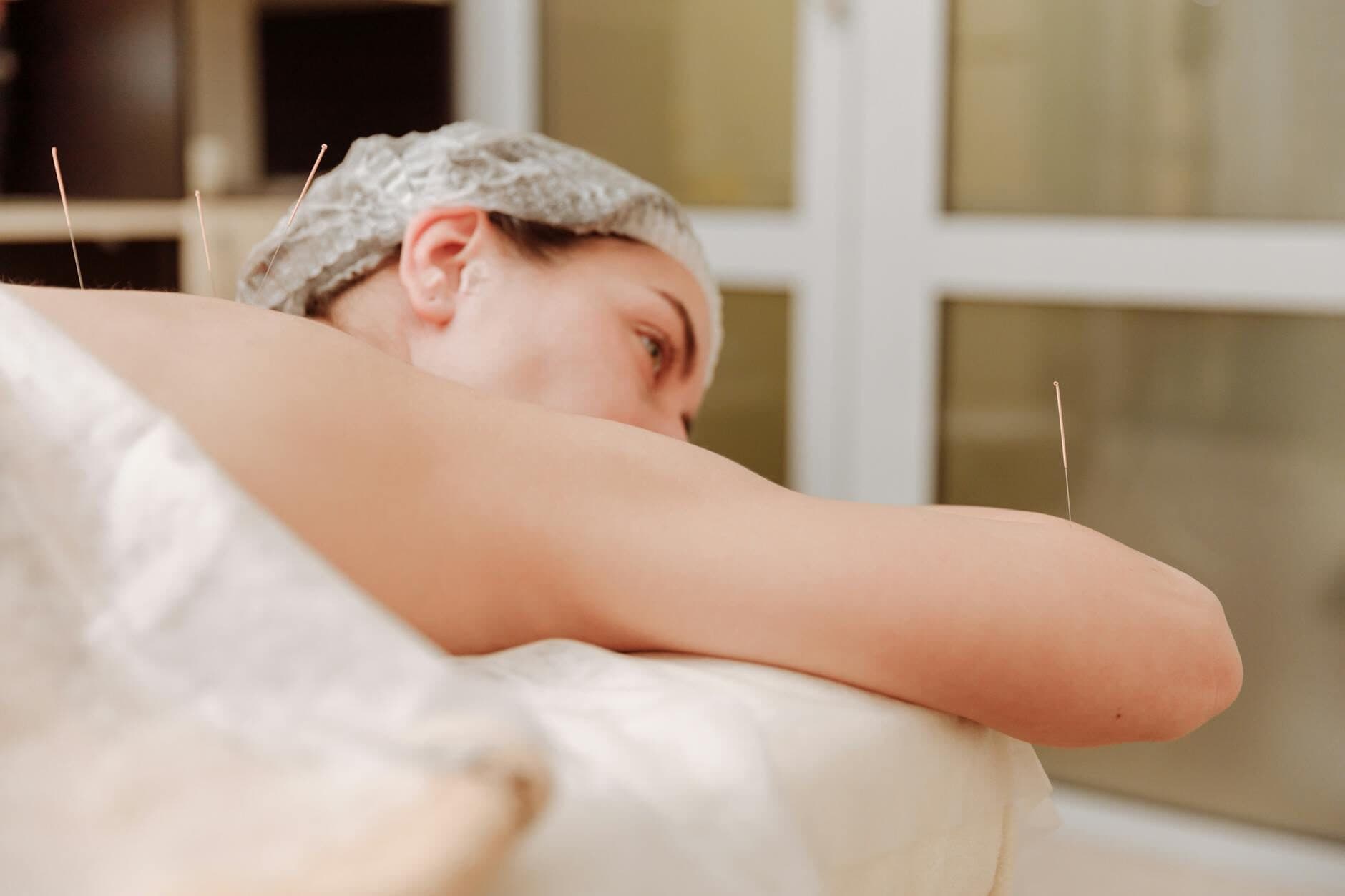
Acupuncture for Fertility and IVF Support Amsterdam
Fertility challenges touch every part of life — the body, the relationship, the sense of self. When conception doesn’t happen as expected, or when an IVF cycle hasn’t yet succeeded, it’s natural to look for every evidence-informed option available. Acupuncture — specifically the refined, low-stimulation style of Japanese acupuncture we practice at Alter — is one of the most researched complementary approaches in reproductive medicine. This guide explains what the evidence actually shows, how we assess and work with fertility cases, what you can do at home, and when it makes sense to come in.
What We Mean by “Fertility Support”
Fertility is not a single mechanism — it’s the output of dozens of systems working in coordination: the hypothalamic-pituitary-ovarian (HPO) axis regulating hormonal cycling, uterine and ovarian perfusion, the autonomic nervous system calibrating the body’s readiness for reproduction, inflammatory tone in the pelvis, and the sleep and stress architecture that sits underneath all of it. When conception is difficult, the question worth asking is not “which part is broken?” but rather “what pattern of restriction is preventing the system from self-organising toward its next state?”
That framing matters clinically. A body under sustained sympathetic load — chronic stress, disrupted sleep, overtraining, unresolved pain — downregulates reproductive function as a predictable adaptive response. Elevated cortisol competes directly with progesterone at receptor sites and suppresses gonadotropin-releasing hormone (GnRH) pulsatility. The body isn’t failing; it’s prioritising. Our role is to identify the primary restriction — whether that is autonomic dysregulation, a vascular insufficiency, a hormonal rhythm that has drifted, or a nervous-system pattern locked in high alert — and apply the smallest effective input that allows the whole system to reorganise. Sometimes that is fine needles. Sometimes it is movement, breath work, or hands-on tissue work. The tool follows the assessment; it is never the other way around.
Common Reasons Fertility Is Affected
There is rarely a single cause. The patterns we most often find in clinic include:
- Chronic autonomic sympathetic dominance — driven by work pressure, unresolved anxiety, or long commutes and screen exposure — suppressing HPO axis signalling and reducing uterine blood flow.
- Subclinical inflammatory load — including conditions like endometriosis, PCOS, or recurrent pelvic tension — altering the uterine environment and egg or embryo quality.
- Disrupted circadian and hormonal rhythm — irregular sleep, shift work, or high evening light exposure affecting melatonin, LH pulsatility, and follicular development.
- Poor pelvic and lumbar mobility — reducing sacral parasympathetic outflow and contributing to vascular restriction in the pelvic basin.
- Male-factor contributions — sperm quality, motility, and DNA fragmentation are all sensitive to oxidative stress, heat, and elevated cortisol, yet male fertility is frequently under-addressed.
- IVF-specific stressors — the hormonal stimulation protocols, the procedural timeline, and the psychological weight of treatment cycles each create their own physiological demands.
If you are also navigating the emotional exhaustion that fertility treatment brings, it is worth noting that acupuncture for stress and burnout addresses many of the same autonomic and neuroendocrine patterns — the overlap is not coincidental.
How We Find and Address the Root
An initial fertility consultation at Alter runs longer than a standard appointment because we need a complete picture before we touch anything. We review your cycle history, basal body temperature charts if you keep them, recent bloods (AMH, FSH, LH, oestradiol, progesterone, thyroid panel), any imaging, and your IVF protocol if relevant. We assess autonomic tone — how your nervous system is sitting right now — through postural, respiratory, and palpatory findings. We look at pelvic mobility, tissue texture in the lower abdomen and sacrum, and the quality of sensory input the body is generating from these areas.
From that, we identify the most likely primary restriction and make a testable hypothesis: if we address this, we expect to see a specific, measurable change before you leave the room — a shift in tissue tension, an improvement in perceived relaxation depth, a change in how you breathe into your lower abdomen. That immediate feedback loop is how we know we have found something meaningful, rather than simply applying a protocol.
For most fertility cases, we work across several domains simultaneously:
- Autonomic regulation — using fine Japanese acupuncture needles at carefully selected points to shift the nervous system from sympathetic dominance toward parasympathetic activity. Research has demonstrated measurable reductions in salivary cortisol and changes in heart rate variability following acupuncture, both markers of autonomic state.
- Uterine and ovarian perfusion — point selections shown in Doppler ultrasound studies to reduce uterine artery pulsatility index, increasing blood flow to the endometrium. A well-vascularised lining is a recognised factor in implantation success.
- HPO axis support — stimulating afferent pathways that influence hypothalamic GnRH pulsatility, which downstream affects FSH, LH, oestrogen, and progesterone balance across the cycle.
- Pelvic tissue work — where restricted fascial or joint mobility in the lumbar spine or sacrum is contributing to vascular or neural restriction, manual therapy and movement retraining are integrated into the plan.
For IVF specifically, timing matters. We typically recommend beginning treatment eight to twelve weeks before egg retrieval to allow time for follicular development support. In the stimulation phase, sessions are calibrated around your medication schedule. Around transfer day, we aim for one session within 24 hours before and one within 24 hours after, coordinating with your fertility clinic’s schedule. We are accustomed to working alongside AMC, VUmc, and private fertility clinics in Amsterdam and can align our approach with their protocols.
Male Fertility: An Equal Priority
Sperm quality is a contributing factor in roughly half of all fertility cases, yet male partners are often assessed only once — and treated rarely. Sperm takes approximately 72 days to mature, which means the lifestyle, stress load, and physiological environment of the past three months directly determine current sperm quality. Acupuncture, combined with targeted lifestyle adjustments, can support improvements in sperm concentration, motility, and morphology. We assess both partners where possible; a combined approach almost always produces better outcomes than treating one person in isolation.
Self-Care and Simple Practices Between Sessions
What happens between appointments shapes results as much as the sessions themselves. These evidence-informed practices are worth building into your daily routine:
- Protect sleep architecture. Aim for consistent sleep and wake times. Dim lights after 20:00 and avoid screens for 60 minutes before bed. Melatonin is a direct antioxidant for egg and sperm cells; disrupted sleep reduces it.
- Diaphragmatic breathing practice. Five minutes of slow, nasal, diaphragm-led breathing (inhale 4 counts, exhale 6–8 counts) twice daily measurably shifts autonomic balance toward parasympathetic activity and improves pelvic floor relaxation.
- Moderate, consistent movement. Daily walks of 30–40 minutes support pelvic circulation and regulate cortisol. Avoid high-intensity training in the two weeks following embryo transfer; the inflammatory and cortisol response it generates is counterproductive at that stage.
- Warm lower abdomen and feet. Gentle heat (warm wheat bag, not hot) to the lower abdomen during the follicular phase can support local circulation. Cold feet are a recognised sign of peripheral vasoconstriction — wool socks or warm foot baths are a simple corrective.
- Reduce inflammatory dietary load. Prioritise omega-3 rich foods, colourful vegetables, and adequate protein. Minimise ultra-processed foods and alcohol, both of which increase systemic inflammatory markers relevant to egg and uterine health.
- Track your cycle. Basal body temperature charting, even basic observations of cervical mucus, gives us far more clinical information than a single blood draw. Apps like Kindara or a simple paper chart work equally well.
When to Come In
Consider booking an assessment if any of the following apply:
- You have been trying to conceive for six months or more (or three months if you are over 35) without success, and want to explore what may be contributing.
- You are preparing for or currently undergoing an IVF, IUI, or FET cycle and want to support the outcome with adjunct care.
- You have a known diagnosis — PCOS, endometriosis, low ovarian reserve, unexplained infertility — and want to address the underlying physiological patterns, not just the label.
- You or your partner have received a male-factor diagnosis and want to work on sperm quality in the 10–12 weeks before a planned cycle.
- You are in the post-miscarriage recovery period and want support in restoring hormonal and nervous-system regulation before trying again.
- The stress and emotional weight of the fertility journey has become a significant presence in your life — this alone has real physiological consequences worth addressing.
Frequently Asked Questions
How many sessions will I need?
For general fertility support, a course of 8–12 weekly sessions — ideally beginning 3–4 months before conception attempts — gives the most meaningful window for hormonal and vascular adaptation. For IVF support integrated around a specific protocol, we plan sessions around your clinic’s timeline. We reassess at each appointment and adjust; there is no fixed package that applies to everyone.
Is Japanese acupuncture different from what I may have tried before?
Yes, meaningfully so. Japanese acupuncture uses significantly finer needles, shallower insertion, and lighter stimulation than the TCM style most people encounter. The diagnostic approach prioritises palpation and real-time tissue feedback. Many people who found standard acupuncture uncomfortable describe Japanese-style sessions as deeply relaxing. You can read more about the differences here.
Can I continue acupuncture during the two-week wait?
Yes, with appropriate point selection. We avoid abdominal needling and strong stimulation during this period and focus on autonomic regulation and gentle systemic support. We will adjust the session specifically for where you are in your cycle or protocol.
Will acupuncture interfere with my IVF medication?
There are no known interactions between acupuncture and standard IVF medications. We communicate with your fertility clinic where needed and never advise changes to prescribed medication.
Do you treat both partners?
Yes, and we encourage it. We can see both partners together or separately, and we will tailor each assessment and treatment plan individually.
Fertility support is one of the most nuanced areas we work in — because the stakes are high, the timeline is often compressed, and the emotional dimension is inseparable from the physiological one. Our aim is always the same: find the primary restriction, apply the smallest effective input, and give your system the conditions it needs to move forward. Book a consultation with Hidekazu to begin with a thorough assessment and a clear plan built around where you actually are.