
Independent practitioners who practise at Alter Physio & Acupuncture
Upper Back Pain Between the Shoulder Blades: Why It Keeps Coming Back (and What Helps)
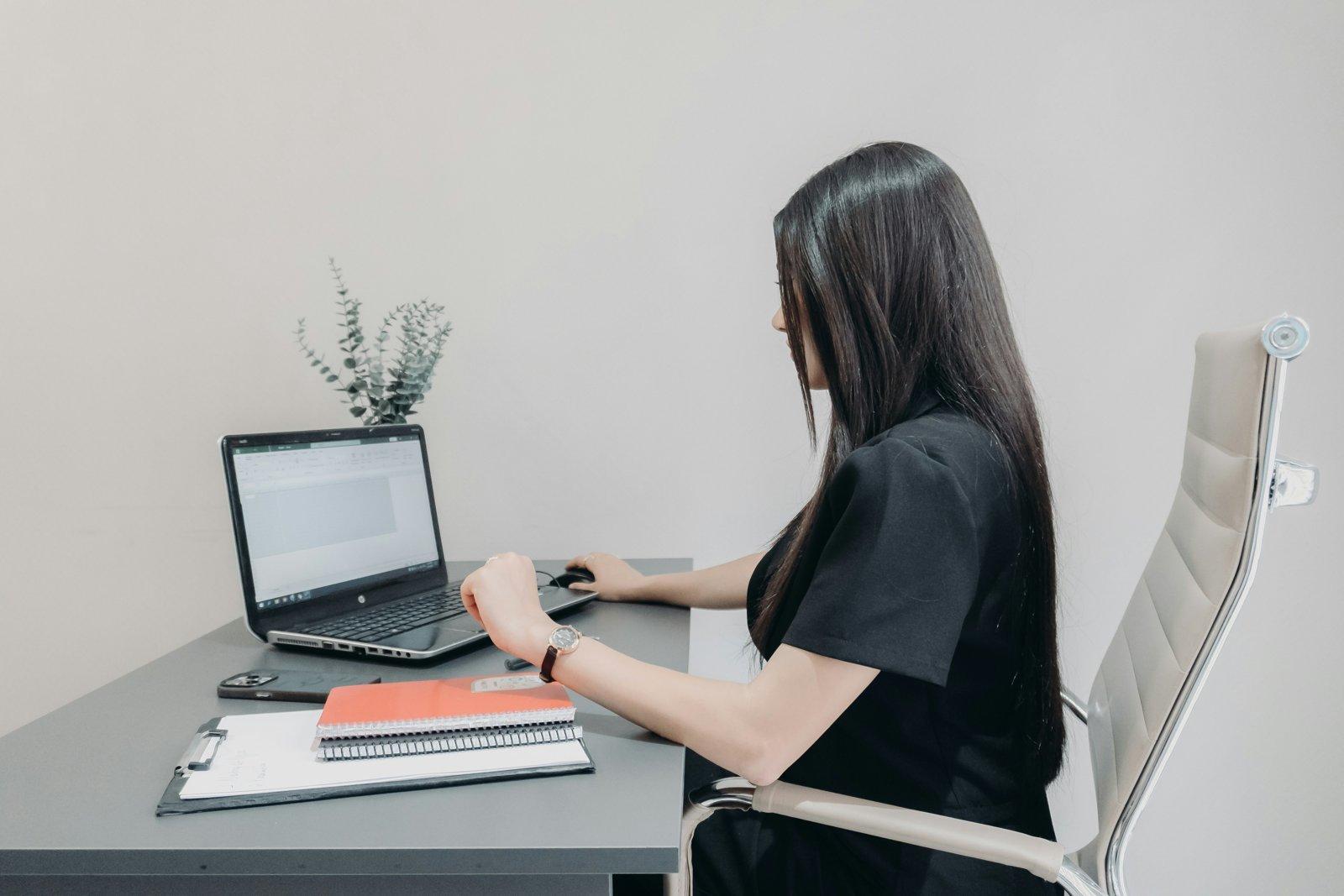
That nagging ache between your shoulder blades often shows up mid-afternoon, after a long run of video calls or a windy bike ride home along the Amstel. You stretch, you get a massage, it eases for a few days, and then it’s back. If that sounds familiar, you’re not alone: pain in the upper back (the thoracic spine and the muscles around the shoulder blades) is common among office workers, and many people I see in Amsterdam Zuid have already tried a few treatments before they come in.
This guide explains the most common reasons this pain lingers, which warning signs mean you should see a doctor first, and what a physiotherapy plan typically looks like.
Where exactly is “between the shoulder blades”?
The area between your shoulder blades (scapulae) sits over the upper and middle thoracic spine. Several structures live here:
- The thoracic vertebrae and the small joints where your ribs attach to the spine (costovertebral joints).
- Postural muscles such as the rhomboids, middle and lower trapezius, and the deeper spinal muscles.
- Nerves that can refer pain into this region from the neck.
Because so many structures overlap, the place where it hurts is not always the place where the problem starts. That’s one of the main reasons the pain can persist when only the sore spot is treated.
Common causes of pain between the shoulder blades
1. Referred pain from the neck
This one surprises a lot of people. Irritation of the lower neck joints or discs can refer pain to the area next to the shoulder blade, sometimes with little or no neck pain at all. Classic studies of cervical discs showed that stimulating them could reproduce pain in the interscapular region, and clinicians still use this pattern today. If your upper back pain changes when you turn or tilt your head, or comes with tingling in the arm, the neck deserves a proper examination. I cover nerve-related neck problems in more detail in my article on cervical radiculopathy.
2. Sustained postures, not “bad posture”
Research has not shown that one “correct” posture prevents back pain, and slumping is not dangerous in itself. What tends to matter more is staying in any position for a long time without variation: hours on a laptop at the kitchen table, or leaning forward on a bike with your arms locked. The muscles around the shoulder blades work at a low level for long periods and become tired and sensitive. Changing position often usually helps more than holding yourself “up straight”.
3. A stiff thoracic spine and rib cage
The thoracic spine is built to rotate and extend. When it moves little during the day, and breathing becomes shallow and mostly upper-chest, the neck and shoulder-blade muscles often take on extra work. Restoring movement through the mid-back and ribs is often a key part of treatment.
4. Shoulder and arm loading
Repetitive mouse work, carrying a heavy bag on one shoulder, or a sudden increase in gym pressing or pulling can overload the muscles that control the shoulder blade. Climbers, rowers, swimmers and padel players often notice this pattern.
5. Stress, sleep and the nervous system
Pain is influenced by more than tissue alone. Poor sleep, a demanding job and the stress of settling into a new country can make the nervous system more sensitive, so the same posture or task hurts more on a bad week. This isn’t “all in your head”; it’s a normal, measurable part of how pain works, and it’s one reason a plan that only targets muscles sometimes falls short.
When upper back pain needs a doctor first
Most upper back pain is musculoskeletal and not dangerous. But pain in this area can occasionally come from organs in the chest or abdomen. Contact a GP (huisarts), or call 112 in an emergency, if your pain:
- Comes with chest pain, shortness of breath, sweating, nausea or pain spreading to the jaw or arm.
- Is sudden, severe and tearing, unlike anything you’ve felt before.
- Is constant and not affected by movement or position, or wakes you at night every night.
- Comes with fever, unexplained weight loss, or a history of cancer.
- Follows a fall or accident, or you have osteoporosis.
- Comes with weakness, numbness in both legs, or problems with balance or bladder control.
Pain under the right shoulder blade after fatty meals can also come from the gallbladder. At your first appointment I will screen for these signs and refer you on if something doesn’t fit a musculoskeletal pattern.
Why the usual fixes often don’t last
People I see with recurring pain between the shoulder blades have often tried massage, foam rolling or a new chair. These can feel good, and there’s nothing wrong with them, but on their own they often don’t change the pattern because:
- They target the painful spot rather than the neck, rib or shoulder mechanics driving it.
- They are passive: the relief fades once the muscles return to the same workload.
- They don’t address how much and how often you move during the working day.
What a physiotherapy plan looks like
At Alter Physio & Acupuncture, the first session starts with your story: when the pain appears, what eases it, your work set-up, your sport and your sleep. Then I examine the neck, thoracic spine, ribs and shoulder to find out which of the causes above fit best.
Hands-on treatment to calm things down
Manual therapy, joint mobilisation and soft-tissue work can reduce pain in the short term and make it easier to start moving. When it is clinically appropriate, I may also use dry needling as part of physiotherapy, using fine Japanese needles that are much thinner than those commonly used for dry needling, so the sensation is different. I use hands-on treatment as a way to open a window for exercise, not as the whole treatment.
Exercise that matches your life
Exercise therapy has evidence for neck pain and related upper-back complaints (Bier et al., 2018). A typical programme includes:
- Thoracic mobility: open-book rotations, extensions over a rolled towel or a chair back.
- Shoulder-blade strength and endurance: rows, prone “Y” and “T” raises, wall slides.
- Breathing: slow breathing into the lower ribs to reduce upper-chest and neck overuse.
- Gradual loading for sport, for example rebuilding pulling volume for climbers or rowers.
I keep the programme short enough to actually do: usually three or four exercises, ten to fifteen minutes a day.
Small changes to the working day
Instead of one “perfect” desk set-up, I look for variety: alternating sitting and standing, moving the laptop onto a stand with a separate keyboard, taking calls while walking, and a short movement break every 30 to 45 minutes. My article on office stretches for neck and shoulder tension and my guide to tech neck for finance professionals give practical routines you can start today.
Japanese acupuncture alongside physiotherapy
Some patients choose to combine physiotherapy with Japanese acupuncture, provided by independent licensed acupuncturists who practise at Alter Physio & Acupuncture. Research on acupuncture for chronic neck and back pain suggests it can help some people with pain in the short to medium term. It is usually considered as part of a broader plan that also includes movement.
How long does it take to improve?
It depends on how long the pain has been there and what’s driving it. Many people with posture- and load-related pain notice a difference within a few weeks of doing their exercises consistently and changing their work habits. Pain that has been there for months, or that is linked to the neck or to stress and sleep, may need a longer, step-by-step approach. I’ll give you an honest estimate after the first assessment and adjust it as treatment progresses.
A simple 3-minute reset you can try now
- Seated rotation (1 minute): sit tall, cross your arms over your chest and slowly rotate left and right, breathing out as you turn.
- Chair-back extension (1 minute): hands behind your head, gently lean back over the top of your chair five to eight times.
- Wall slide (1 minute): forearms on a wall, slide them up while gently drawing your shoulder blades around your rib cage, then lower slowly.
These should feel like easy movement, not pain. If they make your symptoms clearly worse, stop and get assessed.
FAQ
Is pain between the shoulder blades caused by bad posture?
Not usually on its own. Research hasn’t found a single “correct” posture. Staying still in one position for a long time, a stiff mid-back, referred pain from the neck, and overloaded shoulder-blade muscles are more common contributors.
Can neck problems cause upper back pain?
Yes. The lower neck can refer pain to the area next to the shoulder blade, sometimes with little neck pain. That’s why I always examine the neck as well.
When should I worry about upper back pain?
See a doctor first if the pain comes with chest pain, shortness of breath, fever, weight loss, night pain that doesn’t change with position, or neurological symptoms. Call 112 for sudden, severe chest or back pain.
Do I need a GP referral for physiotherapy in the Netherlands?
No. You can book a physiotherapist directly. Whether sessions are reimbursed depends on your supplementary insurance (aanvullende verzekering). See my guide on GP referrals for physiotherapy.
Can I have treatment in English?
Yes. I work in English, so your assessment and treatment can be fully in English.
Book an assessment in Amsterdam Zuid
If the pain between your shoulder blades keeps coming back, a thorough assessment of your neck, mid-back and shoulders is the best place to start. Book an appointment or get in touch with any questions.
Sources
– Briggs AM, et al. Thoracic spine pain in the general population: prevalence, incidence and associated factors in children, adolescents and adults. A systematic review. BMC Musculoskelet Disord. 2009;10:77.
– Cloward RB. Cervical diskography: a contribution to the etiology and mechanism of neck, shoulder and arm pain. Ann Surg. 1959;150(6):1052–1064.
– Bier JD, et al. Clinical Practice Guideline for Physical Therapy Assessment and Treatment in Patients With Nonspecific Neck Pain. Phys Ther. 2018;98(3):162–171.
– Vickers AJ, et al. Acupuncture for chronic pain: update of an individual patient data meta-analysis. J Pain. 2018;19(5):455–474.
– Slater D, et al. “Sit up straight”: time to re-evaluate. J Orthop Sports Phys Ther. 2019;49(8):562–564.