
RSI Treatment Amsterdam | Physiotherapy & Acupuncture
What Is RSI and Why Is It So Common in Amsterdam?

Repetitive strain injury (RSI) affects thousands of professionals across Amsterdam every year. Office workers, developers, designers, and remote employees all share one risk factor: hours of repetitive movement at a desk.
RSI is an umbrella term for pain that develops gradually through repeated motions. It commonly affects the wrists, forearms, elbows, shoulders, and neck.
Why Desk Workers Are Especially Vulnerable
Amsterdam’s thriving tech and startup scene means many people spend eight or more hours typing daily. Over time, these small repetitive movements create tension that builds silently.
Most people ignore the early warning signs. A slight tingle in the fingers or mild stiffness in the wrist seems harmless at first.
However, these signals often indicate that deeper strain is already underway. By the time pain becomes constant, the problem has usually spread beyond the original site.
RSI Is More Than a Wrist Problem
At Alter Physio & Acupuncture in Amsterdam, we see RSI as a whole-body issue. Pain in the wrist rarely starts in the wrist alone.
Often, restricted breathing, tight shoulders, or a stiff thoracic spine forces the forearm and hand to compensate. The pain surfaces at the part that has been compensating the longest.
Therefore, effective RSI treatment in Amsterdam must look beyond the painful area. It must address the full chain of movement and tension.
How Physiotherapy Helps Treat RSI

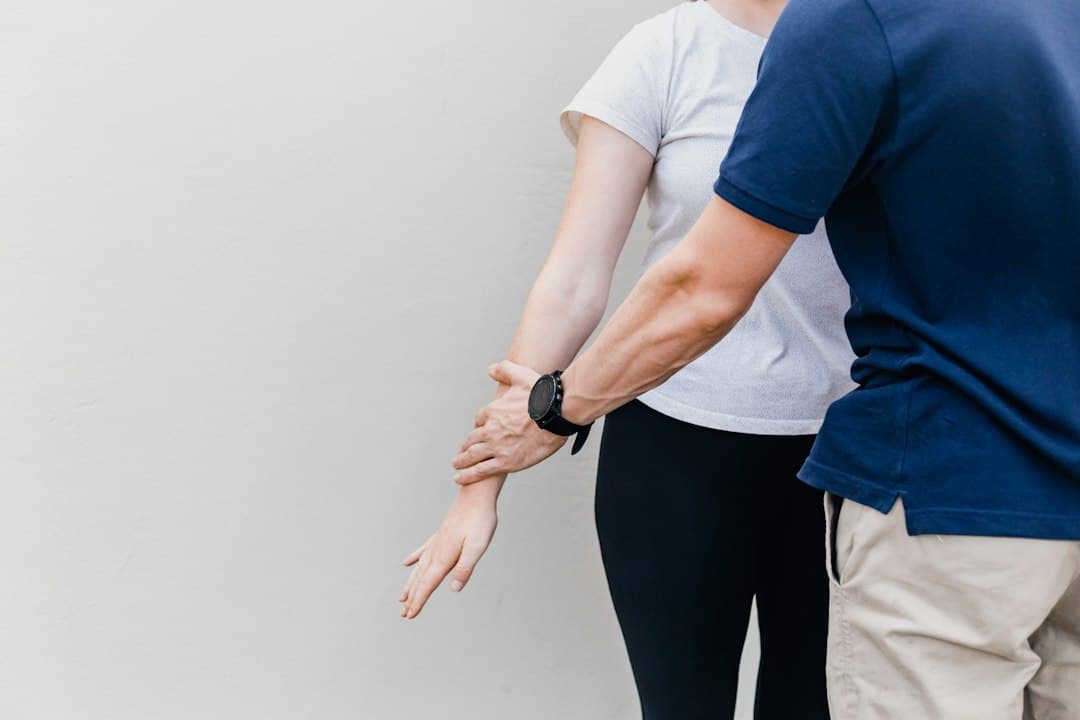
Repetitive strain injury physiotherapy in Amsterdam focuses on reducing pain and restoring function. At Alter Physio, we combine hands-on treatment with active rehabilitation.
The goal is not just symptom relief. We aim to help your body move, breathe, and adapt freely again.
Assessment: Finding the Real Source
Your first session begins with a thorough assessment. We examine not only the painful area but also how you breathe, move, and stabilise your body.
Many patients are surprised to learn their wrist pain connects to restricted rib cage movement. When the rib cage cannot expand fully—especially into the back—the shoulders tighten, and the arms absorb extra load.
Stability comes from breathing and internal pressure, not from bracing muscles or holding a “perfect posture.” This principle guides our entire approach.
Treatment: Hands-On and Active Rehabilitation
Treatment typically includes manual therapy to release tight muscles and joints. We also use targeted exercises to rebuild strength and coordination.
Additionally, we may incorporate Japanese-style acupuncture alongside physiotherapy. Western rehabilitation and Eastern medicine are two doors into the same system.
This combined approach may help relieve pain more effectively. Many patients find it accelerates their recovery compared to physiotherapy alone.
Practical Steps We Often Recommend
- Breathing exercises: Practice 360-degree rib cage breathing, focusing on expansion into the back and sides.
- Micro-breaks: Take 30-second movement breaks every 25 minutes during desk work.
- Nerve gliding: Gentle nerve mobilisation exercises for the wrist and forearm can reduce tingling.
- Workstation adjustments: Small changes to screen height, keyboard angle, and chair setup can reduce strain significantly.
- Varied movement: Aim for postural variety rather than one “correct” position—health is the ability to adapt.
RSI vs. Carpal Tunnel Syndrome: Understanding the Difference
Many people confuse RSI with carpal tunnel syndrome. While related, they are not the same condition.
The table below highlights key differences to help you understand your symptoms better.
| Feature | RSI (General) | Carpal Tunnel Syndrome |
|---|---|---|
| Cause | Overuse of muscles, tendons, or nerves | Compression of the median nerve at the wrist |
| Common symptoms | Aching, stiffness, tenderness in forearm/wrist | Numbness and tingling in thumb, index, and middle fingers |
| Affected area | Wrist, forearm, elbow, shoulder, neck | Primarily the hand and wrist |
| Worse at night? | Sometimes | Often significantly worse at night |
| Physiotherapy helpful? | Yes—exercise, manual therapy, ergonomic advice | Yes—nerve gliding, splinting guidance, manual therapy |
Both carpal tunnel and RSI physiotherapy in Amsterdam respond well to conservative treatment. In most cases, surgery is not the first step.
If you have been experiencing numbness or tingling alongside wrist pain from computer work in Amsterdam, a proper assessment can clarify which condition you are dealing with.
Patient Story
This case has been anonymised to protect patient privacy.
A 38-year-old expat working in Amsterdam’s tech sector came to us after five months of worsening wrist and forearm pain. She had already visited another clinic without results and was considering stopping work entirely. Typing for more than 20 minutes triggered burning pain in both forearms. She also noticed constant tension in her neck and shallow breathing patterns.
During our assessment, we discovered significant restriction in her thoracic spine and rib cage. Her breathing was almost entirely in the upper chest, creating constant tension through her neck and shoulders. Her forearms and wrists had been compensating for this upper-body rigidity for months. The pain was real and located in her arms—but it did not start there.
Over eight sessions of combined physiotherapy and acupuncture, we worked on restoring her rib cage mobility and breathing mechanics. We introduced progressive forearm strengthening and nerve gliding exercises. We also adjusted her workstation setup together. By the sixth week, she could type pain-free for full work days. At three months, she reported feeling stronger than before her symptoms started. She described the approach as “completely different from anything I had tried before.”
Why Many Expats Choose Alter Physio for RSI Treatment in Amsterdam
Finding an English-speaking physiotherapist in Amsterdam can be challenging. At Alter Physio & Acupuncture, we provide care in English as standard.
Our clinic is trusted by international patients in Amsterdam. We are recommended by expats who value clear communication and personalised treatment.
What Sets Our Approach Apart
We do not chase symptoms. Instead, we look for the underlying patterns that created your pain.
Moreover, we never use fear-based language about posture. There is no single “correct” way to sit.
Your body needs the freedom to move and adapt. Our role is to help restore that capacity through skilled treatment and guided rehabilitation.
If you have tried other treatments without success, Alter Physio may be the next step. Our integrated approach combining physiotherapy and Japanese acupuncture offers something different.
Frequently Asked Questions About RSI Treatment in Amsterdam
How long does RSI treatment take with physiotherapy?
Recovery time depends on the severity and duration of your symptoms. Mild RSI may respond within four to six sessions over several weeks.
More chronic cases can take two to three months of consistent treatment and home exercises. Your physiotherapist will set realistic expectations during the first appointment.
Can acupuncture help with repetitive strain injury?
Many people find that acupuncture may help relieve RSI-related pain and muscle tension. At Alter Physio, we use Japanese-style acupuncture as a complement to physiotherapy.
This combination addresses both the local symptoms and the broader patterns contributing to your complaint. You can learn more about our integrated approach on our FAQ page.
Why choose Alter Physio & Acupuncture in Amsterdam?
Alter Physio offers a unique combination of advantages for RSI patients. Our physiotherapist is BIG-registered, ensuring the highest Dutch professional standards.
We provide treatment in English, making care accessible for Amsterdam’s international community. Our clinic near Vondelpark combines Western physiotherapy with Japanese acupuncture for personalised, whole-body care.
Furthermore, we take time to understand your daily habits and work demands. This allows us to create a treatment plan that fits your life—not just your diagnosis.
Is RSI covered by Dutch health insurance?
Physiotherapy for RSI is typically covered under supplementary Dutch health insurance (aanvullende verzekering). Coverage varies depending on your specific policy.
We recommend checking with your insurer before your first visit. Our team can help you understand the process if you are unsure.
Ready to address your RSI and get back to working without pain? Book your appointment at Alter Physio & Acupuncture in Amsterdam today and take the first step toward lasting relief.